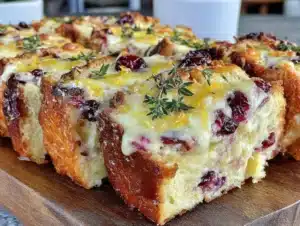
Love this? Save it for later!
Share the inspiration with your friends
My neighbor Beth wasn’t trying to impress anyone. I’d stopped by to borrow a ladder—ours had mysteriously vanished after last fall’s gutter cleaning—and the smell hit me before I even got to her front door. That bright, lemony scent mixed with something sweet and baking, the kind of smell that makes you forget why you walked into a room. Or, in this case, why you walked up a driveway.
She opened the door holding a loaf pan, flour on her cheek, looking mildly annoyed that the oven timer had gone off while she was on the phone with her mother. “Oh, it’s just the Easter bread I make every year,” she said when I asked what in the world that incredible smell was. Just. Like it was nothing. Like she hadn’t created something that stopped me mid-sentence and made me seriously consider whether I actually needed that ladder at all.
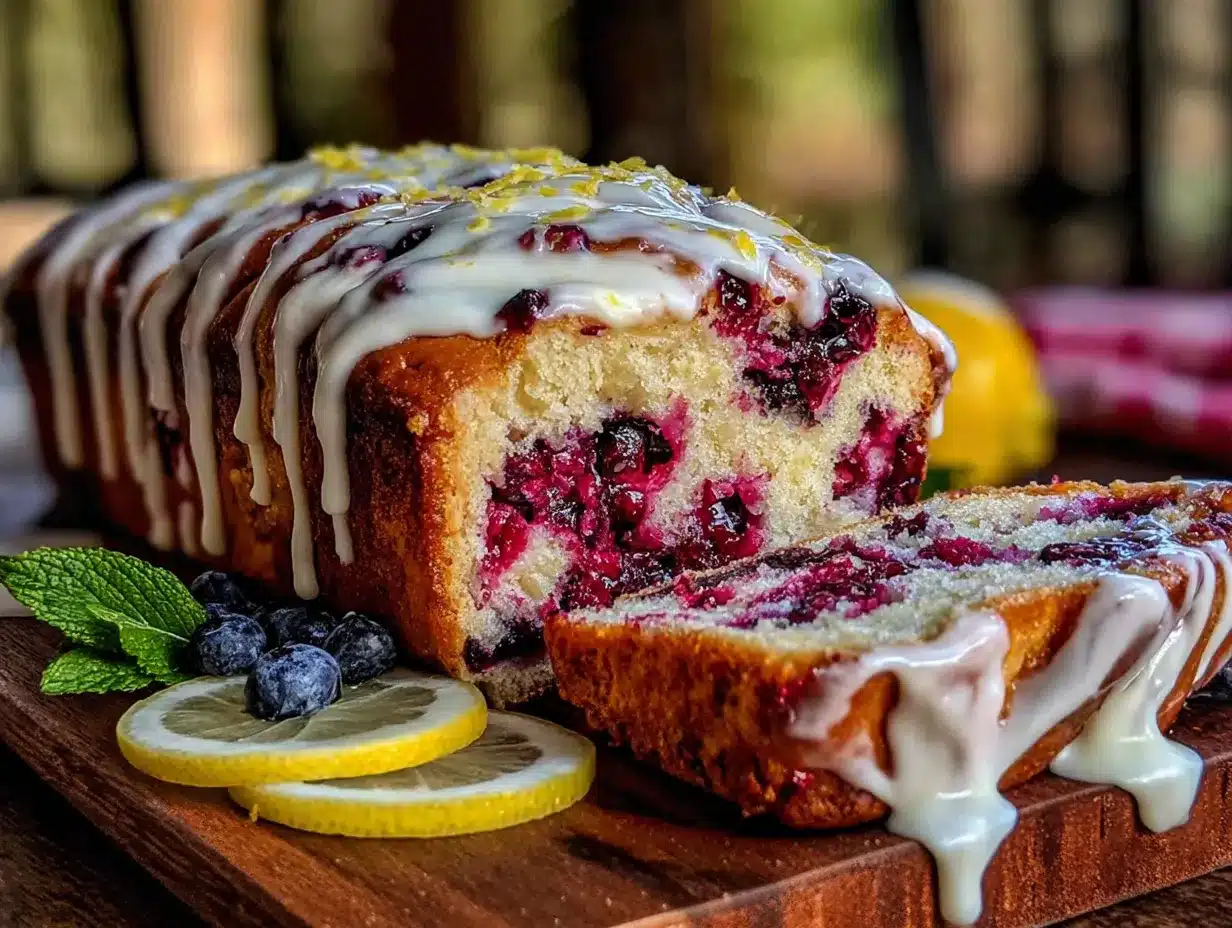
I stood there in her kitchen, watching her dump the loaf onto a cooling rack without a second thought, and I knew I was going to have to figure out how to make this. The thing is, Beth’s version had this casual perfection to it—the crumb was tender, the blueberries were scattered throughout like little jewels, and that vanilla glaze on top was just the right amount of sweet. She handed me a slice still warm from the oven, and honestly? I almost forgot about the ladder entirely. Almost.
This Perfect Lemon Blueberry Easter Bread with Vanilla Glaze is that recipe. The one that makes people stop mid-conversation. The one that feels special enough for Easter brunch but simple enough that you don’t need to stress about it. Maybe you’ve been there—standing in someone’s kitchen, watching them make something extraordinary look completely ordinary, and thinking “I need to learn how to do that.” Well, here we are. Let’s make it together.
Why You’ll Love This Recipe
I’ve tested this bread more times than I care to admit. The first batch was too dry. The second had blueberries that all sank to the bottom. The third? Well, let’s just say Beth would have approved, and that’s saying something coming from someone who’s been making this for fifteen years. Here’s why this version is the one you’ll keep coming back to:
- Quick & Easy: Comes together in about an hour, start to finish. Perfect for Easter morning when you’ve got a ham to glaze and kids hunting for eggs.
- Simple Ingredients: You probably already have most of this in your pantry. No weird specialty flours or obscure extracts.
- Perfect for Easter Brunch: It’s festive without being fussy. The lemon and blueberries scream spring, and that glaze makes it look bakery-worthy.
- Crowd-Pleaser: I’ve brought this to three different Easter gatherings now, and every single time someone asks for the recipe. Kids love the sweetness, adults love the bright lemon flavor.
- Unbelievably Delicious: The texture is what gets me every time. It’s dense enough to feel like a real bread but tender enough to practically melt. And that vanilla glaze soaking into the warm crumb? Pure magic.
What makes this different from every other lemon blueberry bread out there is the technique. I spent weeks figuring out how to keep the blueberries suspended throughout the batter instead of watching them sink into a sad purple layer at the bottom. The secret is tossing them in a little flour before folding them in. It’s one of those small tricks that makes a huge difference, and honestly, it’s the kind of thing you only learn by making a few mistakes first.
This recipe isn’t just good—it’s the kind that makes you close your eyes after the first bite. It’s comfort food reimagined for spring, with that bright citrus kick and those bursts of juicy blueberry in every slice. Perfect for impressing your Easter guests without spending all morning in the kitchen, or for turning a simple Sunday breakfast into something memorable.
What Ingredients You Will Need
This recipe uses simple, wholesome ingredients to deliver that bright, springtime flavor without any fuss. Most of these are pantry staples, but I’ve included a few notes on what to look for to get the best results.
For the Bread
- All-purpose flour, 2 cups (250g) — I use King Arthur Flour for consistent results, but any brand works fine. Just don’t substitute self-rising flour unless you adjust the leavening.
- Granulated sugar, 1 cup (200g) — Regular white sugar gives the bread its sweetness and helps create that tender crumb.
- Unsalted butter, 1/2 cup (113g), softened — Make sure it’s at room temperature. Cold butter won’t cream properly with the sugar, and melted butter changes the texture completely.
- Large eggs, 2, at room temperature — Room temperature eggs incorporate into the batter more evenly. If you forgot to take them out of the fridge, place them in a bowl of warm water for 5 minutes.
- Milk, 1/2 cup (120ml) — Whole milk gives the richest texture, but 2% works fine. I’ve even used oat milk in a pinch with good results.
- Fresh lemon juice, 3 tablespoons — From about 1 large lemon. Please, please use fresh lemon juice here. The bottled stuff has a flat, almost metallic taste that you’ll notice in the final bread.
- Fresh lemon zest, 2 tablespoons — This is where most of the lemon flavor comes from. Zest the lemons before you juice them—it’s much easier.
- Baking powder, 1 1/2 teaspoons — Make sure it’s not expired. Old baking powder won’t give your bread the lift it needs.
- Baking soda, 1/2 teaspoon — Helps neutralize the acidity from the lemon juice and gives the bread a nice rise.
- Salt, 1/2 teaspoon — Don’t skip this. Salt enhances all the other flavors and balances the sweetness.
- Fresh blueberries, 1 1/2 cups (about 200g) — Fresh blueberries are ideal, especially in spring when they start showing up at farmers markets. If you must use frozen, don’t thaw them first, and toss them in flour immediately before adding to the batter to prevent bleeding.
- All-purpose flour for tossing berries, 1 tablespoon — This is the trick that keeps your blueberries from sinking. Trust me on this one.
For the Vanilla Glaze
- Powdered sugar, 1 cup (120g) — Sift it if it’s lumpy. Nobody wants lumpy glaze.
- Vanilla extract, 1 teaspoon — Use pure vanilla extract if you can. The imitation stuff has a chemical aftertaste that really stands out in a simple glaze.
- Milk, 2 to 3 tablespoons — Start with 2 tablespoons and add more if needed. You want the glaze thick enough to coat the back of a spoon but thin enough to drizzle.
Equipment Needed
You don’t need a fancy kitchen to make this bread. Here’s what you’ll need:
- 9×5-inch loaf pan — A standard loaf pan works perfectly. If you’re using a dark nonstick pan, keep an eye on the baking time—it tends to brown faster.
- Parchment paper — Line your pan with parchment paper, leaving some overhang on the long sides. This makes lifting the bread out so much easier. I learned this the hard way after a bread that refused to leave the pan.
- Mixing bowls — You’ll need one large bowl for the wet ingredients and one medium bowl for the dry ingredients.
- Electric hand mixer or stand mixer — You can cream the butter and sugar by hand, but it takes a good 5 minutes of vigorous stirring. A mixer makes it much easier.
- Zester or microplane — For getting that lemon zest. A box grater works in a pinch, but a microplane gives you finer zest that disperses better through the batter.
- Cooling rack — Essential for letting the bread cool evenly. If you don’t have one, you can use the oven rack (turned off and cool, obviously).
- Whisk and rubber spatula — The whisk for combining dry ingredients, the spatula for folding in the blueberries gently.
I bought my loaf pan at a thrift store for three dollars, and it works better than any fancy brand I’ve tried. Sometimes the budget-friendly options are just as good, you know?
Preparation Method
Let me walk you through this step by step. I’ve included all the little details that make the difference between a good bread and a great one.
- Preheat your oven to 350°F (175°C). Position the rack in the center of the oven. Line your 9×5-inch loaf pan with parchment paper, leaving about 2 inches of overhang on the long sides. Lightly grease the exposed ends with butter or cooking spray.
- In a medium bowl, whisk together the flour, baking powder, baking soda, and salt. Set this aside for now. Make sure there are no lumps—if your baking powder is clumpy, sift it through a fine-mesh strainer.
- In a large bowl, cream the softened butter and sugar together until light and fluffy. This takes about 3 to 4 minutes with an electric mixer on medium speed. You’re looking for a pale, airy mixture that looks almost like frosting. Don’t rush this step—proper creaming is what gives the bread its tender texture.
- Add the eggs one at a time, beating well after each addition. Scrape down the sides of the bowl with a rubber spatula after the second egg. The mixture might look slightly curdled at this point—that’s okay, especially once you add the lemon juice.
- Mix in the lemon zest and lemon juice. The zest goes in first, then the juice. Beat until just combined. The mixture will look a little separated—don’t panic, this is normal. The dry ingredients will bring it all together.
- Add half the dry ingredients to the wet mixture and mix on low speed until just combined. Then add half the milk and mix again. Repeat with the remaining dry ingredients and milk, mixing just until you can’t see any more flour streaks. Overmixing at this stage will make your bread tough, so stop as soon as everything comes together.
- In a small bowl, toss the fresh blueberries with the 1 tablespoon of flour. This is the step that changes everything. The flour coating helps the blueberries stay suspended in the batter instead of sinking to the bottom. Gently fold the floured blueberries into the batter using a rubber spatula. Use a light hand here—you don’t want to burst the berries and turn your batter purple.
- Pour the batter into the prepared loaf pan and spread it evenly. The batter will be thick, almost like a cake batter. Use your spatula to smooth the top. If you want, you can sprinkle a few extra blueberries on top for visual appeal—they’ll stay on the surface and look beautiful once baked.
- Bake for 50 to 60 minutes, or until a toothpick inserted into the center comes out clean or with just a few moist crumbs. Start checking at the 50-minute mark. If the top is browning too quickly but the center isn’t done yet, tent the pan loosely with aluminum foil for the last 10 to 15 minutes of baking. The bread should be golden brown on top and feel firm to the touch.
- Let the bread cool in the pan for 15 minutes. This resting time allows the structure to set. Then use the parchment paper overhangs to lift the bread out of the pan and transfer it to a cooling rack. Let it cool completely before adding the glaze—if you glaze it while it’s still warm, the glaze will just melt and soak in completely.
- Make the glaze while the bread is cooling. In a small bowl, whisk together the powdered sugar, vanilla extract, and 2 tablespoons of milk. Add the remaining tablespoon of milk if needed to reach a drizzling consistency. The glaze should be thick enough to hold its shape for a moment when drizzled, but thin enough to flow slowly off a spoon.
- Drizzle the glaze over the completely cooled bread. Use a spoon or a piping bag with a small tip. Let the glaze set for about 10 minutes before slicing. The glaze will harden slightly, creating that beautiful crackly top that makes this bread look so special.
Cooking Tips & Techniques
I’ve made this bread at least a dozen times now, and I’ve learned a few things along the way. Here are the tips that will save you from my early mistakes.
Room temperature ingredients matter more than you think. I know, I know—every recipe says this, and sometimes you just want to get started. But cold eggs and cold milk can seize up your creamed butter mixture, leaving you with a dense, uneven crumb. Take the extra 15 minutes to let everything come to room temperature. Your bread will thank you.
Don’t overmix the batter. This is probably the most common mistake I see. Once you add the flour, mix just until it disappears. Overmixing develops the gluten too much, and you’ll end up with a tough, rubbery bread instead of a tender, cake-like crumb. I speak from experience—my first batch was practically a doorstop.
The flour-coating trick for blueberries is non-negotiable. I tried skipping it once because I was in a hurry. Every single blueberry ended up at the bottom of the pan, creating a soggy, purple mess. The flour creates a barrier that helps the berries grip onto the batter as it bakes. It takes 30 seconds and makes all the difference.
If you’re using frozen blueberries, don’t thaw them. Toss them in flour while they’re still frozen and add them to the batter immediately. Thawed blueberries are too soft and will bleed into your batter, turning it an unappetizing gray-green color. Trust me, I learned this one the hard way before a Easter brunch.
Check your baking powder freshness. Baking powder loses its potency over time. If your bread doesn’t rise properly, old baking powder is usually the culprit. A quick test: drop a teaspoon of baking powder into hot water. If it fizzes vigorously, it’s still good. If it just sits there, time to buy a new can.
Variations & Adaptations
One of the things I love about this recipe is how flexible it is. Here are some variations I’ve tried and loved.
Gluten-Free Version: Substitute the all-purpose flour with a good quality gluten-free baking blend that contains xanthan gum. I’ve had excellent results with Bob’s Red Mill 1-to-1 Baking Flour. The texture is slightly more delicate, so handle the batter gently and don’t overmix. Everything else stays the same.
Dairy-Free Adaptation: Use plant-based butter (I like Miyoko’s for baking) and substitute the milk with unsweetened almond milk or oat milk. The texture will be slightly less rich, but still delicious. For the glaze, use a dairy-free milk alternative.
Mixed Berry Version: Swap half the blueberries for raspberries or chopped strawberries. If using raspberries, be extra gentle when folding them in—they’re more delicate than blueberries and can break apart easily. The combination of lemon with mixed berries is absolutely gorgeous for spring.
Lemon Poppy Seed Twist: Add 2 tablespoons of poppy seeds along with the dry ingredients. The poppy seeds add a lovely crunch and nutty flavor that pairs beautifully with the lemon. This version is especially popular for Easter brunch—something about the poppy seeds feels so spring-like.
Individual Mini Loaves: Divide the batter among 4 mini loaf pans (about 5×3 inches each). Reduce the baking time to 25 to 30 minutes. These make wonderful gifts or favors for Easter guests. Just wrap them in cellophane with a ribbon, and you’ve got a hostess gift that looks like it came from a bakery.
Serving & Storage Suggestions
This bread is incredibly versatile when it comes to serving. Here’s how I like to enjoy it.
Serve it slightly warm or at room temperature. If you want that just-baked experience, pop individual slices in the microwave for about 10 seconds. The warmth makes the vanilla glaze slightly soft and the lemon flavor more pronounced. At room temperature, the glaze firms up into a lovely crackly shell.
For Easter brunch, slice it thick and arrange it on a platter. Add a bowl of fresh berries on the side and some whipped cream or Greek yogurt for spreading. It also pairs beautifully with a cup of hot coffee or a glass of cold milk. Honestly, it’s perfect with just about any breakfast spread.
To store, wrap the bread tightly in plastic wrap or aluminum foil. Keep it at room temperature for up to 3 days. The glaze might soften slightly over time, but the flavor actually improves as the lemon and blueberry flavors meld together. I actually think day-old bread tastes even better—the flavors have had time to settle.
For longer storage, freeze the bread without the glaze. Wrap the cooled, unglazed loaf in plastic wrap, then in a layer of aluminum foil. It will keep in the freezer for up to 3 months. When you’re ready to serve, thaw it overnight in the refrigerator, bring it to room temperature, then make the glaze and drizzle it on fresh. This is actually my preferred method for Easter—I make the bread a week ahead and glaze it the morning of.
Reheating tip: If you’re serving it the next day and want that fresh-baked warmth, place slices on a baking sheet and warm them in a 300°F oven for about 5 minutes. The glaze will soften slightly and the bread will taste like it just came out of the oven.
Nutritional Information & Benefits
Let’s be honest—this is a treat, not a health food. But there are some redeeming qualities worth mentioning.
Per slice (based on 10 slices): approximately 280 calories, 10g fat, 44g carbohydrates, 4g protein, 2g fiber, 28g sugar. These are estimates and will vary based on exact ingredients and substitutions.
Blueberries are packed with antioxidants, particularly anthocyanins, which give them their deep blue color and have been linked to heart health and brain function. They’re also a good source of vitamin C and vitamin K. Fresh lemon juice and zest add a boost of vitamin C and that bright, uplifting flavor that just screams spring.
For dietary considerations: this recipe contains gluten, dairy, and eggs. For a gluten-free version, use a quality gluten-free flour blend. For dairy-free, substitute plant-based butter and milk. The eggs are harder to replace in this particular recipe because they provide structure, but a flax egg (1 tablespoon ground flaxseed mixed with 3 tablespoons water, per egg) can work in a pinch—though the texture will be denser.
I’m not a nutritionist, and I don’t pretend to be. This is a recipe for celebration, for gathering around the table, for making memories. Sometimes the most nourishing thing about food is the joy it brings. And this bread brings a lot of joy.
Conclusion
This Perfect Lemon Blueberry Easter Bread with Vanilla Glaze has become my go-to for spring celebrations. It’s the recipe I bring to Easter brunch, the one I make when I want to welcome warmer weather, the one that makes my kitchen smell like sunshine and happiness. And honestly? It started because I borrowed a ladder from my neighbor and got distracted by something baking in her oven. Sometimes the best recipes come from the most unexpected places.
I hope you’ll make this bread your own. Maybe you’ll add extra lemon zest because you love that bright flavor. Maybe you’ll swap in raspberries because that’s what you have on hand. Maybe you’ll double the glaze because, let’s face it, more glaze is never a bad thing. The beauty of this recipe is that it’s forgiving enough for beginners and satisfying enough for experienced bakers.
I’d love to hear how yours turns out. Did you try any variations? Did your family fight over the last slice? Drop a comment below and let me know—I read every single one, and your stories make my day. And if you share a photo on Pinterest, tag me so I can see your beautiful creation. Happy Easter, happy spring, and happy baking!
Frequently Asked Questions
Can I use frozen blueberries instead of fresh?
Absolutely. Just don’t thaw them first. Toss them in flour while still frozen and add them to the batter immediately. Thawed blueberries will bleed and turn your batter purple.
Why did my blueberries sink to the bottom?
This usually happens for two reasons: the batter is too thin, or you didn’t coat the blueberries in flour before adding them. Make sure you’re tossing them in that tablespoon of flour—it creates friction that helps them stay suspended.
Can I make this bread ahead of time?
Yes! Bake the bread up to 3 days ahead and store it tightly wrapped at room temperature. Add the glaze the day you plan to serve it for the best presentation. You can also freeze the unglazed bread for up to 3 months.
How do I know when the bread is done baking?
Insert a toothpick into the center of the bread. If it comes out clean or with just a few moist crumbs (no wet batter), it’s done. The top should be golden brown and the bread should feel firm when you gently press the center.
Can I skip the glaze?
You can, but I wouldn’t recommend it. The vanilla glaze adds sweetness and moisture that really makes this bread special. If you want a less sweet version, try a light dusting of powdered sugar instead, or skip the topping entirely and enjoy the bread as is—it’s still delicious.
Pin This Recipe!

Perfect Lemon Blueberry Easter Bread with Vanilla Glaze

This Perfect Lemon Blueberry Easter Bread with Vanilla Glaze is the one that makes people stop mid-conversation. It feels special enough for Easter brunch but simple enough that you don’t need to stress about it, with a tender crumb, juicy blueberries scattered throughout, and a sweet vanilla glaze on top.
- Prep Time: 15 minutes
- Cook Time: 55 minutes
- Total Time: 1 hour 10 minutes
- Yield: 10 servings 1x
- Category: Bread
- Cuisine: American
Ingredients
- 2 cups (250g) all-purpose flour
- 1 cup (200g) granulated sugar
- 1/2 cup (113g) unsalted butter, softened
- 2 large eggs, at room temperature
- 1/2 cup (120ml) milk (whole or 2%)
- 3 tablespoons fresh lemon juice (from about 1 large lemon)
- 2 tablespoons fresh lemon zest
- 1 1/2 teaspoons baking powder
- 1/2 teaspoon baking soda
- 1/2 teaspoon salt
- 1 1/2 cups (about 200g) fresh blueberries
- 1 tablespoon all-purpose flour (for tossing berries)
- 1 cup (120g) powdered sugar
- 1 teaspoon vanilla extract
- 2 to 3 tablespoons milk (for glaze)
Instructions
- Preheat your oven to 350°F (175°C). Position the rack in the center of the oven. Line a 9×5-inch loaf pan with parchment paper, leaving about 2 inches of overhang on the long sides. Lightly grease the exposed ends with butter or cooking spray.
- In a medium bowl, whisk together the flour, baking powder, baking soda, and salt. Set aside.
- In a large bowl, cream the softened butter and sugar together until light and fluffy, about 3 to 4 minutes with an electric mixer on medium speed.
- Add the eggs one at a time, beating well after each addition. Scrape down the sides of the bowl with a rubber spatula after the second egg.
- Mix in the lemon zest and lemon juice until just combined.
- Add half the dry ingredients to the wet mixture and mix on low speed until just combined. Then add half the milk and mix again. Repeat with the remaining dry ingredients and milk, mixing just until no flour streaks remain. Do not overmix.
- In a small bowl, toss the fresh blueberries with the 1 tablespoon of flour. Gently fold the floured blueberries into the batter using a rubber spatula.
- Pour the batter into the prepared loaf pan and spread it evenly. Smooth the top with a spatula.
- Bake for 50 to 60 minutes, or until a toothpick inserted into the center comes out clean or with just a few moist crumbs. If the top browns too quickly, tent loosely with aluminum foil for the last 10 to 15 minutes.
- Let the bread cool in the pan for 15 minutes. Then use the parchment paper overhangs to lift the bread out and transfer to a cooling rack. Cool completely before glazing.
- While the bread cools, make the glaze: In a small bowl, whisk together the powdered sugar, vanilla extract, and 2 tablespoons of milk. Add the remaining tablespoon of milk if needed to reach a drizzling consistency.
- Drizzle the glaze over the completely cooled bread. Let the glaze set for about 10 minutes before slicing.
Notes
Room temperature ingredients are crucial for best texture. Toss blueberries in flour to prevent sinking. Do not overmix the batter. For frozen blueberries, do not thaw before using. Check baking powder freshness for proper rise. Glaze only after bread is completely cooled.
Nutrition
- Serving Size: 1 slice
- Calories: 280
- Sugar: 28
- Sodium: 220
- Fat: 10
- Saturated Fat: 6
- Carbohydrates: 44
- Fiber: 2
- Protein: 4
Keywords: lemon blueberry bread, Easter bread, vanilla glaze, spring recipe, brunch bread, lemon blueberry loaf, Easter brunch