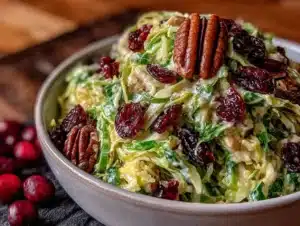
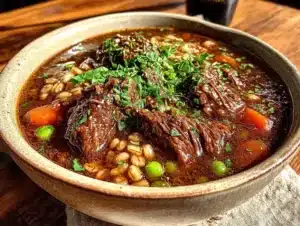
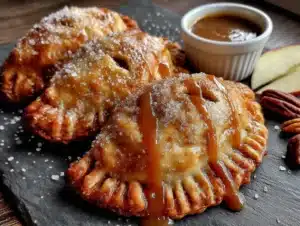
Love this? Save it for later!
Share the inspiration with your friends
“I wasn’t planning on becoming a freezer meal ninja that last Saturday of August,” I confessed to my friend as we sat surrounded by bubbling pots and chopping boards scattered with the remains of a hurried kitchen blitz. The smell of roasted tomatoes and fresh basil filled the air, making the whole apartment feel like a cozy autumn cafe. You know that feeling when you’re scrambling to wrap up summer’s bounty but already secretly craving the ease of a warm, homemade meal come October? That was me, juggling a cracked mixing bowl and a timer that just wouldn’t cooperate.
Batch cooking for fall freezing wasn’t originally on my radar, but a last-minute invite to a chilly mid-September hike pushed me into action. I realized that prepping meals in advance could save my sanity—and my appetite—during those busy, unpredictable autumn weeks. Honestly, the idea of having ready-to-go, hearty dishes waiting in the freezer sounded like a game-changer. Maybe you’ve been there too: staring into the fridge, wondering if you can throw something together without resorting to takeout again.
So I rolled up my sleeves, grabbed a few end-of-summer veggies from the local farmer’s market, and got to work. Between a few spills and a lot of tasting, this collection of easy end-of-summer batch cooking recipes for fall freezing was born. It’s the kind of cooking that respects the season’s last gifts and sets you up for cozy nights without the fuss. Let me tell you, these meals have become my secret weapons for stress-free dinners when the leaves start to turn. You’re about to discover why they might just become yours too.
Why You’ll Love This Recipe
After testing and tweaking these batch cooking recipes myself, I can say with confidence they hit all the right notes. They’re designed for busy folks who want great flavor without spending hours in the kitchen every night. Here’s what stood out during my trial runs:
- Quick & Easy: All recipes come together in under 45 minutes of active prep, perfect for those end-of-summer rushes or weekend batch sessions.
- Simple Ingredients: Nothing fancy or hard to find—just fresh, seasonal produce and pantry staples you probably already have.
- Perfect for Fall: These dishes embrace the last of summer’s harvest but are hearty enough to warm you up once the temperatures dip.
- Crowd-Pleaser: Family, friends, or even picky eaters tend to ask for seconds, which says a lot for freezer meals!
- Unbelievably Delicious: The flavors deepen beautifully after freezing and reheating—trust me, it’s a texture and taste win.
What sets these recipes apart? It’s the little touches—like roasting vegetables to bring out their natural sweetness before freezing, or layering flavors with fresh herbs and a splash of citrus just before serving. Each recipe isn’t just a repeat; it’s my best version, tested over multiple weekends to nail both taste and freezer-friendliness.
This isn’t just about convenience—it’s about turning simple, honest ingredients into meals that comfort and satisfy, even on the busiest fall evenings. Whether you’re prepping for a week of work lunches or stocking up for the season, these batch cooking recipes have your back.
What Ingredients You Will Need
This collection of easy end-of-summer batch cooking recipes relies on wholesome ingredients that bring bold, cozy flavors without fuss. Most are pantry staples or fresh finds from your local market, with plenty of room for swaps based on your preferences.
- Fresh Vegetables: Zucchini, bell peppers, tomatoes, sweet corn, summer squash, and fresh herbs like basil and thyme (the stars of late summer).
- Proteins: Ground turkey or chicken (lean and mild), canned beans (black beans or cannellini for fiber and texture), and eggs for binding in some recipes.
- Grains & Starches: Brown rice, quinoa, or whole-wheat pasta (choose your favorite; I often use quinoa for a nutty twist).
- Flavor Builders: Garlic, onions, olive oil, lemon juice, smoked paprika, and a touch of chili flakes for gentle warmth.
- Dairy & Alternatives: Shredded mozzarella or cheddar, cottage cheese (small-curd for best melting), and Greek yogurt as a creamy topping option.
- Pantry Staples: Canned diced tomatoes, tomato paste, low-sodium vegetable or chicken broth, salt, and pepper.
For substitutions, I recommend using gluten-free pasta or cauliflower rice if you want a gluten-free option, and swapping Greek yogurt with coconut yogurt for a dairy-free twist. When selecting canned tomatoes, I prefer San Marzano for their rich flavor, but any good-quality brand works just fine.
In late summer, fresh herbs really make a difference, so if you can, grab a small bunch from the farmers’ market rather than dried versions. They add that bright, garden-fresh punch that keeps these meals feeling lively even after freezing.
Equipment Needed
- Large Dutch oven or heavy-bottomed pot: Ideal for simmering and roasting vegetables evenly.
- Baking sheets: For roasting veggies and proteins; I like rimmed sheets to avoid spills.
- Mixing bowls: A set of different sizes helps with prepping and combining ingredients.
- Sharp chef’s knife: Essential for quick, safe chopping of veggies and herbs.
- Measuring cups and spoons: For accuracy; I swear by my stainless steel set for durability.
- Freezer-safe containers or heavy-duty zip-top bags: To store your batch-cooked meals securely—glass containers work great if you want to skip plastics.
If you don’t have a Dutch oven, a large deep skillet with a lid can work, though roasting veggies in the oven separately helps develop better flavor. For those on a budget, simple sheet pans and any sturdy pots you own will do the trick—just watch your cooking times.
Preparation Method
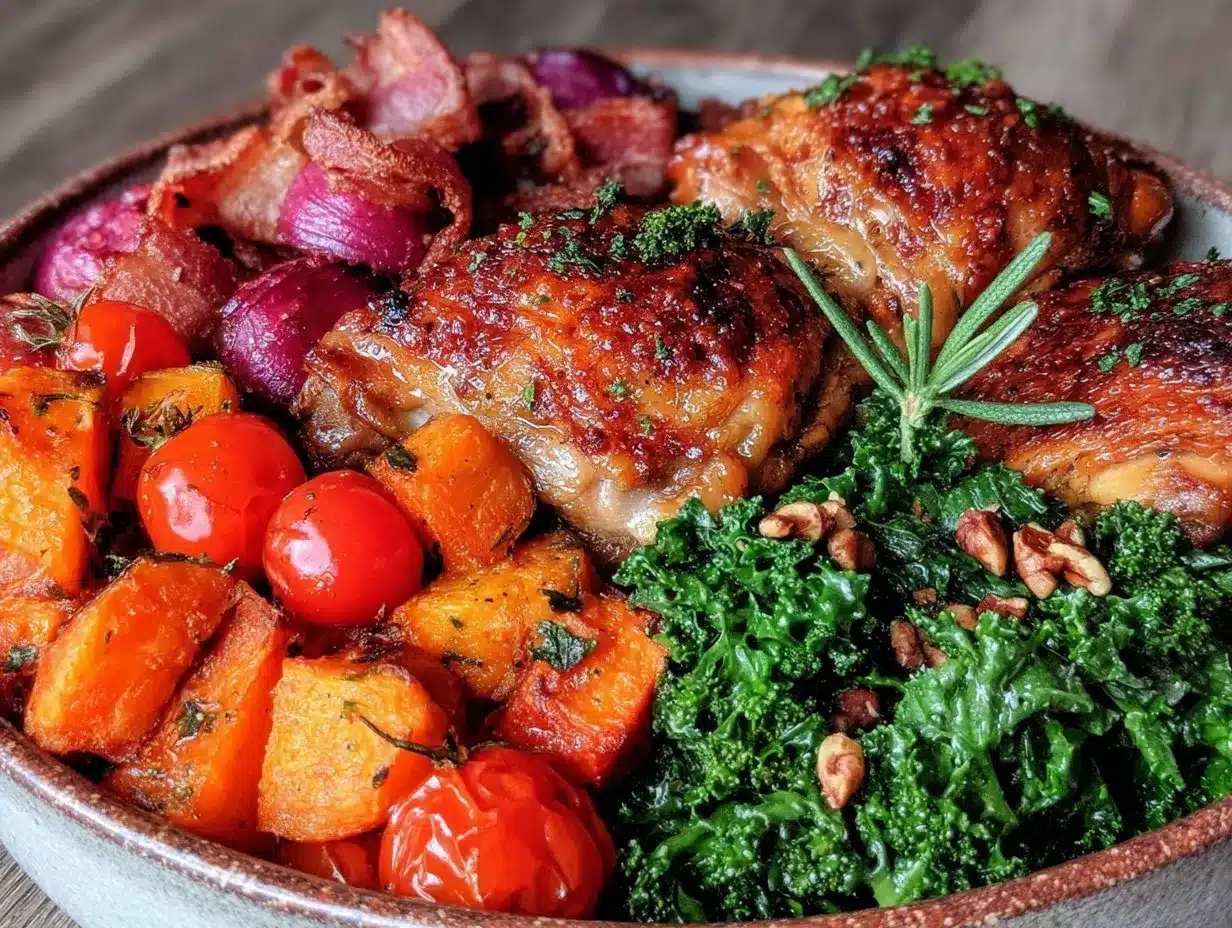
- Prep Your Ingredients (15 minutes): Rinse and chop all fresh vegetables into bite-sized pieces. Mince garlic and chop herbs finely. Measure out grains and open canned goods so everything is ready to go.
- Roast the Vegetables (20 minutes): Preheat oven to 425°F (220°C). Toss zucchini, bell peppers, summer squash, and tomatoes with olive oil, salt, pepper, and smoked paprika on a baking sheet. Roast for 20 minutes, stirring halfway, until veggies are tender and lightly caramelized.
Tip: Keep an eye on the tomatoes—they should soften but not burst too much. - Cook the Grains (15 minutes): While veggies roast, cook quinoa or brown rice according to package directions. Fluff with a fork and set aside.
Tip: Slightly undercook grains by a minute or two—they’ll finish cooking when reheated after freezing. - Sauté Protein & Aromatics (10 minutes): In a large pot, heat olive oil over medium heat. Sauté onions and garlic until translucent (about 3 minutes). Add ground turkey or chicken, breaking it up with a spoon, and cook until browned.
Season with salt, pepper, and chili flakes. - Combine & Simmer (10 minutes): Add roasted vegetables, cooked grains, canned tomatoes, tomato paste, and broth to the pot. Stir well, bring to a simmer, and cook gently for 10 minutes to marry flavors.
Note: If mixture seems too thick, add a splash more broth. - Cool & Portion (30 minutes): Allow the mixture to cool at room temperature (no more than 2 hours). Divide into freezer-safe containers or bags in meal-sized portions.
Important: Label with date and contents for easy meal planning. - Freeze & Store: Lay bags flat to freeze for quicker thawing. Most meals will keep well up to 3 months.
Tip: When ready to eat, thaw in the fridge overnight and reheat gently on the stove or microwave, adding a splash of water or broth if needed.
Cooking Tips & Techniques
Batch cooking for freezing comes with its own set of quirks, and I’ve learned these tips the hard way:
- Don’t overcook grains before freezing: They tend to get mushy when reheated if fully cooked initially. Under-cooking by a minute or two keeps texture intact.
- Roasting vegetables brings out natural sweetness: This step is crucial for flavor depth—skip it and your dish might taste flat after freezing.
- Cool meals completely before freezing: Hot food can cause ice crystals and freezer burn, ruining texture.
- Use airtight containers or bags: This prevents freezer odors and keeps meals tasting fresh.
- Label everything: I can’t stress this enough—date and name your batches so you always know what’s inside.
- Reheat gently: Slow, low heat preserves texture and prevents drying out. Add a splash of broth or water if the meal seems thick.
Honestly, the first time I skipped roasting, the dish was a mushy mess after thawing. Lesson learned the messy way! Also, multitasking is your friend here—roast veggies while cooking grains and browning protein to save time.
Variations & Adaptations
Feel free to make these batch cooking recipes your own with these easy twists:
- Vegetarian Version: Swap ground meat for a mix of lentils and mushrooms for rich umami flavor. Use vegetable broth instead of chicken.
- Seasonal Swaps: If you’re preparing later in fall, swap zucchini and summer squash with roasted butternut squash or sweet potatoes for cozy warmth.
- Spicy Kick: Add a diced jalapeño or a teaspoon of chipotle powder while sautéing for a smoky heat.
- Low-Carb Option: Replace grains with riced cauliflower or extra beans to keep it hearty but lighter.
- Dairy-Free: Skip cheese or yogurt toppings and add a drizzle of olive oil and fresh herbs when serving.
One time, I added a splash of balsamic vinegar just before freezing—surprised how it brightened the whole dish after reheating. Don’t hesitate to experiment!
Serving & Storage Suggestions
These batch-cooked meals are best served warm, garnished with a sprinkle of fresh herbs or a dollop of yogurt for creaminess. They pair wonderfully with a side of crusty bread or a simple green salad to keep things light.
Store meals in the freezer for up to 3 months. For longer storage, vacuum sealing works great to prevent freezer burn. When reheating, thaw overnight in the fridge for best results, then warm gently on the stovetop or microwave.
Flavors often deepen after a day or two in the fridge, making leftovers just as tasty—if not better! Just remember to stir occasionally while reheating to keep everything evenly warmed.
Nutritional Information & Benefits
These recipes provide a balanced blend of lean protein, fiber-rich vegetables, and whole grains, making them a nutritious choice for busy weeknights. Expect roughly 350-450 calories per serving, depending on portion size and specific ingredients.
Key benefits include:
- High in fiber for digestive health.
- Lean protein supporting muscle repair and satiety.
- Rich in antioxidants from fresh vegetables and herbs.
Many recipes are naturally gluten-free if you swap pasta for quinoa or rice, and dairy-free options can easily be made with simple ingredient tweaks. From a wellness perspective, these meals strike a good balance between comfort and nourishment, which is just what fall dinners should be about.
Conclusion
Easy end-of-summer batch cooking for fall freezing has truly changed how I approach mealtime once the busy season hits. It’s about taking advantage of those last fresh flavors and turning them into reliable, satisfying meals that make life easier. I hope you find these recipes as useful and comforting as I do.
Remember, cooking is personal—feel free to tweak ingredients and spices to suit your taste. And don’t be shy about sharing your own adaptations or questions below; I love hearing how these meals fit into your kitchen rhythm.
So next time you’re juggling the end-of-summer harvest and the looming fall calendar, give yourself the gift of batch cooking. Your future self will thank you with every cozy bite.
FAQs
- Can I freeze these meals without cooking them first? It’s best to cook the meals before freezing to preserve texture and flavor. Raw ingredients may not freeze or reheat as well.
- How long do these frozen meals last? For best quality, consume within 3 months. After that, texture and taste may decline.
- Can I reheat these meals in a microwave? Yes, but reheat on medium power and stir occasionally to avoid hot spots and drying out.
- Are these recipes suitable for meal prep beginners? Absolutely! They’re straightforward and forgiving, perfect for building confidence in batch cooking.
- Can I double or triple the recipes? Yes, these recipes scale well, but be sure to use larger pots and baking sheets to avoid overcrowding, which can affect cooking times.
Pin This Recipe!
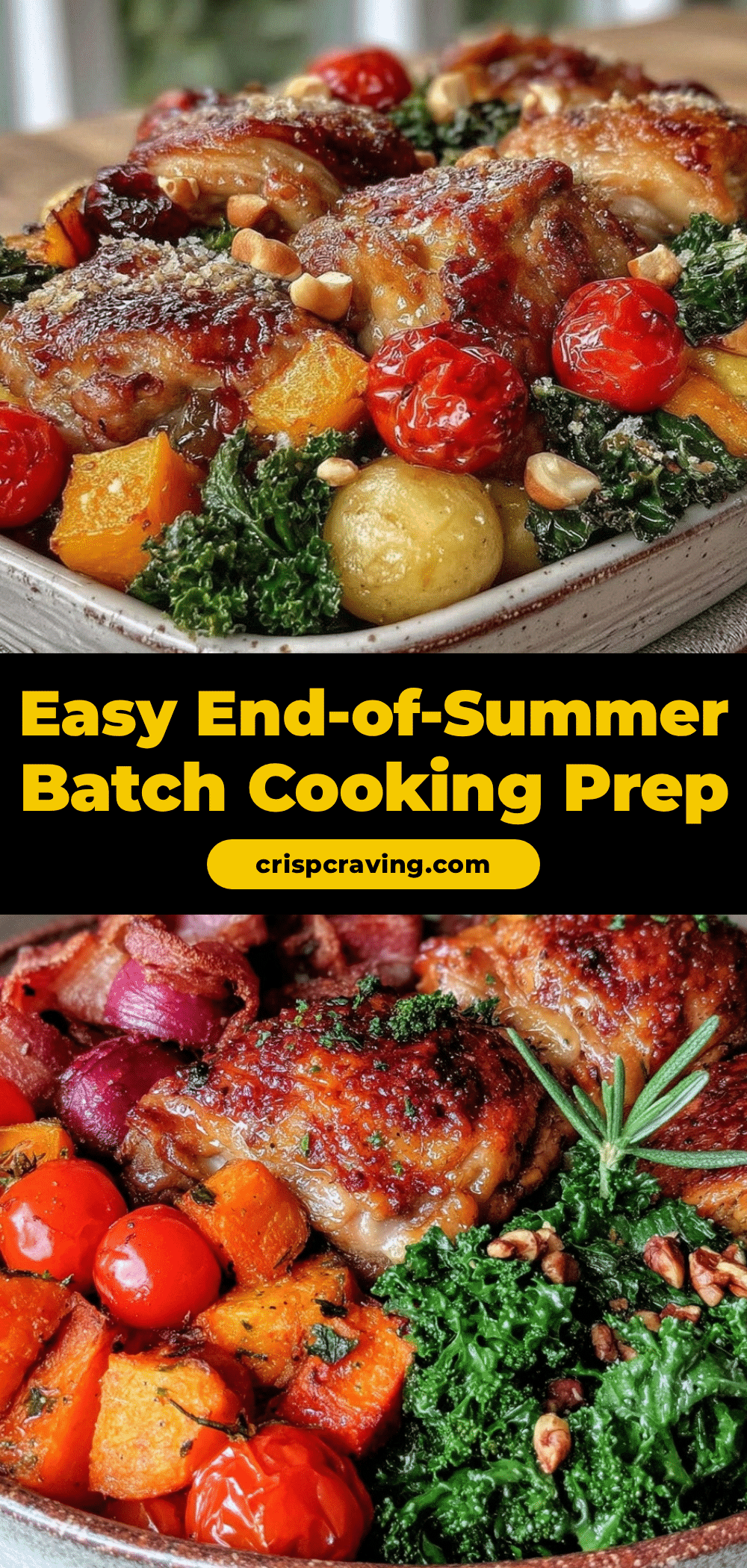
Easy End-of-Summer Batch Cooking Recipes for Perfect Fall Freezing
A collection of easy, flavorful batch cooking recipes designed for freezing and enjoying hearty, comforting meals throughout the fall season. These recipes use fresh end-of-summer produce and pantry staples to create freezer-friendly dishes that save time and stress.
- Prep Time: 15 minutes
- Cook Time: 55 minutes
- Total Time: 1 hour 10 minutes
- Yield: 6 servings
- Category: Main Course
- Cuisine: American
Ingredients
- Zucchini
- Bell peppers
- Tomatoes
- Sweet corn
- Summer squash
- Fresh herbs (basil, thyme)
- Ground turkey or chicken
- Canned beans (black beans or cannellini)
- Eggs (for binding in some recipes)
- Brown rice, quinoa, or whole-wheat pasta
- Garlic
- Onions
- Olive oil
- Lemon juice
- Smoked paprika
- Chili flakes
- Shredded mozzarella or cheddar cheese
- Cottage cheese (small-curd)
- Greek yogurt (optional topping)
- Canned diced tomatoes
- Tomato paste
- Low-sodium vegetable or chicken broth
- Salt
- Pepper
Instructions
- Prep Your Ingredients (15 minutes): Rinse and chop all fresh vegetables into bite-sized pieces. Mince garlic and chop herbs finely. Measure out grains and open canned goods so everything is ready to go.
- Roast the Vegetables (20 minutes): Preheat oven to 425°F (220°C). Toss zucchini, bell peppers, summer squash, and tomatoes with olive oil, salt, pepper, and smoked paprika on a baking sheet. Roast for 20 minutes, stirring halfway, until veggies are tender and lightly caramelized. Keep an eye on the tomatoes—they should soften but not burst too much.
- Cook the Grains (15 minutes): While veggies roast, cook quinoa or brown rice according to package directions. Fluff with a fork and set aside. Slightly undercook grains by a minute or two—they’ll finish cooking when reheated after freezing.
- Sauté Protein & Aromatics (10 minutes): In a large pot, heat olive oil over medium heat. Sauté onions and garlic until translucent (about 3 minutes). Add ground turkey or chicken, breaking it up with a spoon, and cook until browned. Season with salt, pepper, and chili flakes.
- Combine & Simmer (10 minutes): Add roasted vegetables, cooked grains, canned tomatoes, tomato paste, and broth to the pot. Stir well, bring to a simmer, and cook gently for 10 minutes to marry flavors. If mixture seems too thick, add a splash more broth.
- Cool & Portion (30 minutes): Allow the mixture to cool at room temperature (no more than 2 hours). Divide into freezer-safe containers or bags in meal-sized portions. Label with date and contents for easy meal planning.
- Freeze & Store: Lay bags flat to freeze for quicker thawing. Most meals will keep well up to 3 months. When ready to eat, thaw in the fridge overnight and reheat gently on the stove or microwave, adding a splash of water or broth if needed.
Notes
Do not overcook grains before freezing to avoid mushiness upon reheating. Roasting vegetables is essential to bring out natural sweetness and depth of flavor. Cool meals completely before freezing to prevent freezer burn. Use airtight containers or bags and label with date and contents. Reheat gently with a splash of broth or water to maintain texture. Variations include vegetarian swaps with lentils and mushrooms, seasonal vegetable substitutions, and dairy-free options.
Nutrition
- Serving Size: Approximately 1 meal
- Calories: 350450
- Sugar: 68
- Sodium: 400600
- Fat: 1015
- Saturated Fat: 35
- Carbohydrates: 4050
- Fiber: 68
- Protein: 2530
Keywords: batch cooking, freezer meals, fall recipes, easy cooking, meal prep, healthy dinners, end-of-summer vegetables, make-ahead meals