Love this? Save it for later!
Share the inspiration with your friends
“I never thought a last-minute trip to the farmer’s market on a drizzly Saturday morning would completely change my weeknight dinners,” I said to myself as I lugged home a bag of slightly bruised but vibrant zucchinis and tomatoes. The stall owner, a cheerful woman with a sunhat, insisted these were “end-of-season steals” and perfect for quick, budget-friendly meals. Honestly, I was skeptical at first—what could you really do with produce that looked like it had seen better days? But as I started tossing these fresh veggies into simple recipes, I realized something important: these humble ingredients, often overlooked, turn out to be the heroes of easy, wholesome eating.
Let me tell you, you know that feeling when you’re juggling a hectic schedule, tight budget, and still want a meal that nourishes without fuss? That’s exactly where these fresh end-of-season produce budget meals come in. The other night, I forgot to grab the usual staples on my grocery run and had to improvise. The fridge was half-empty, but those discounted veggies saved the day—turning into a vibrant, satisfying dinner that didn’t break the bank or my sanity. Maybe you’ve been there too—rummaging through your fridge, wondering what to make that’s both delicious and affordable.
What stayed with me after that rainy morning was the realization that cooking doesn’t have to be complicated or expensive to be good. Using fresh, seasonal produce that’s about to disappear from the markets means flavors that are at their peak and prices that are kind to your wallet. It’s a little like rediscovering the soul of home cooking, where simple ingredients combine in straightforward ways to create meals that comfort and satisfy. This recipe collection is my way of sharing those little kitchen wins, inspired by that rainy day and the end-of-season bounty that keeps giving.
Why You’ll Love This Recipe
Honestly, these fresh end-of-season produce budget meals have become my go-to for busy nights and laid-back weekends alike. I’ve tested and retested these recipes, tweaking them until they felt just right—simple enough for anyone to recreate but with enough flavor to feel special.
- Quick & Easy: Most recipes come together in under 30 minutes, perfect if you’re juggling work, family, or just craving a fuss-free dinner.
- Simple Ingredients: You don’t need to hunt down fancy items; most ingredients are pantry staples or whatever’s left at your local market.
- Perfect for Any Occasion: Whether it’s a casual weeknight dinner, a cozy lunch, or a small gathering, these meals fit right in.
- Crowd-Pleaser: I’ve served these at potlucks and family dinners, and trust me, people ask for seconds (and recipes!).
- Unbelievably Delicious: The combination of fresh veggies and simple seasoning brings out a natural, soulful flavor that feels like a warm hug after a long day.
What sets these recipes apart is the focus on making the most out of produce that’s often overlooked—those slightly soft tomatoes, wilting greens, or end-of-season squashes that grocery stores discount. I learned to treat these ingredients not as “leftovers” but as the star players. For example, roasting slightly wrinkled tomatoes concentrates their sweetness, while sautéing near-wilted greens with garlic makes a quick, nutrient-packed side. These little tricks, born from years of cooking on a budget, transform everyday veggies into meals that feel anything but ordinary.
At the heart, this isn’t just about saving money or eating better; it’s about reconnecting with food in a way that’s honest and joyful. So if you’re tired of complicated recipes or expensive ingredients, give these meals a try—you might just find your new favorite way to eat wholesome, fresh, and affordable.
What Ingredients You Will Need
This recipe collection uses simple, wholesome ingredients to deliver bold flavor and satisfying texture without the fuss. Most of these ingredients are pantry staples or easy-to-find fresh produce, often available at your local farmer’s market or grocery store in their end-of-season sales.
- Fresh Vegetables: zucchini (medium-sized, sliced), tomatoes (ripe, diced or cherry, halved), bell peppers (any color, chopped), eggplant (cubed), leafy greens like spinach or kale (washed and roughly chopped)
- Alliums: garlic cloves (minced), yellow or red onions (diced), spring onions (chopped)
- Legumes & Grains: canned chickpeas or black beans (rinsed), quinoa or brown rice (cooked), pasta (whole wheat or regular)
- Herbs & Seasonings: fresh basil (chopped), parsley (chopped), dried oregano, smoked paprika, salt, black pepper
- Oils & Fats: extra virgin olive oil (I recommend Colavita for best flavor), butter (optional, unsalted), tahini or nut butters for dressings or sauces
- Acidic Elements: lemon juice (freshly squeezed), balsamic vinegar (aged, if possible)
- Cheese & Extras (optional): crumbled feta or grated Parmesan, toasted nuts like pine nuts or walnuts
For substitutions, you can swap quinoa with couscous or bulgur depending on what’s on hand. Use dairy-free yogurt or omit cheese for a vegan version. If fresh herbs aren’t available, dried versions work, though fresh will brighten the dishes beautifully. When summer fruits like zucchini or tomatoes aren’t around, try swapping with root veggies or frozen options—just adjust cooking times accordingly.
Equipment Needed
- Basic Kitchen Tools: sharp chef’s knife, cutting board, wooden spoon or spatula
- Cookware: large sauté pan or skillet (non-stick preferred for easy cleanup), medium saucepan for grains or pasta
- Baking Equipment: baking sheet or roasting pan (for roasting veggies)
- Mixing Bowls: various sizes for prepping and tossing ingredients
- Measuring Tools: measuring cups and spoons for precise seasoning
If you don’t have a roasting pan, a rimmed baking sheet works just fine. I’ve used cast iron skillets too, which add a nice sear to veggies but require a bit more oil and attention. For grains, a rice cooker can be a time-saver but a regular pot works perfectly. Honestly, these meals are forgiving about equipment—just make sure your knife is sharp to speed up prep and keep things safe.
Preparation Method
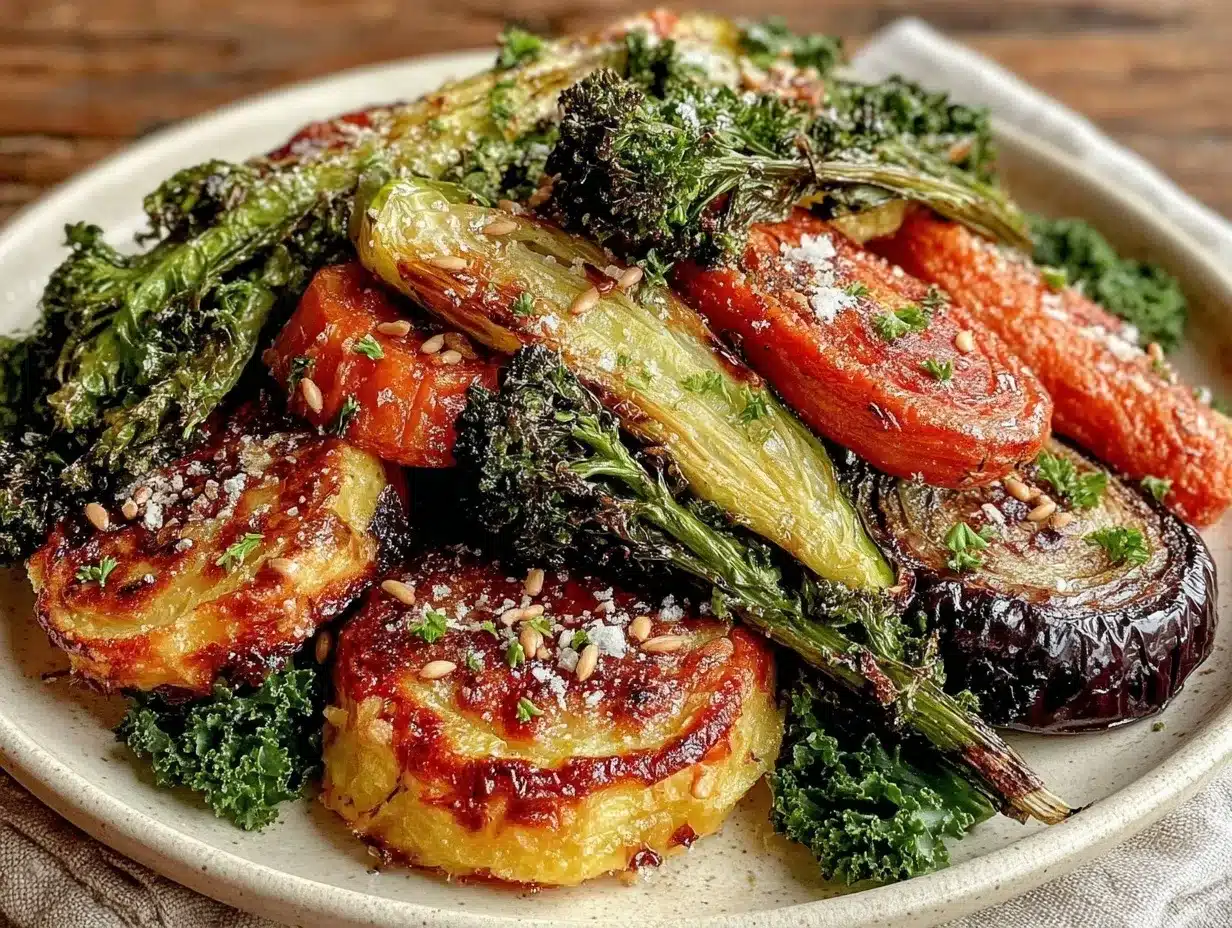
- Prep Your Produce (10-15 minutes): Rinse all vegetables thoroughly. Slice zucchini into half-moons about ¼ inch thick. Dice tomatoes or halve cherry tomatoes. Chop bell peppers into bite-sized pieces. Cube eggplant and roughly chop leafy greens. Mince garlic and dice onions.
- Cook Grains or Pasta (15-20 minutes): Rinse quinoa or brown rice under cold water. Add 1 cup (185g) quinoa to 2 cups (475ml) boiling water, reduce heat, cover, and simmer for 15 minutes. For pasta, cook according to package instructions until al dente. Drain and set aside.
- Roast or Sauté Vegetables (15-20 minutes): Preheat oven to 425°F (220°C) if roasting. Toss zucchini, tomatoes, bell peppers, and eggplant with 2 tablespoons olive oil, salt, pepper, and smoked paprika. Spread on a baking sheet and roast for 15-20 minutes, stirring halfway, until tender and slightly caramelized. Alternatively, sauté in a large pan over medium-high heat until veggies soften and develop a bit of color (about 10 minutes).
- Sauté Aromatics (5 minutes): In a separate pan, heat 1 tablespoon olive oil over medium heat. Add onions and garlic, cooking until translucent and fragrant, about 3-4 minutes. Add chopped greens and cook until just wilted.
- Combine Ingredients (5 minutes): In a large mixing bowl, gently toss roasted/sautéed veggies, sautéed greens and aromatics, and cooked grains or pasta. Add fresh herbs, a squeeze of lemon juice, and a drizzle of balsamic vinegar. Season with salt and pepper to taste.
- Optional Finishing Touches: Sprinkle with crumbled feta or grated Parmesan and toasted nuts for crunch. Drizzle with extra virgin olive oil or tahini dressing if desired.
- Serve Warm or Room Temperature: These meals work beautifully warm or chilled, making them versatile for leftovers or packed lunches.
Quick tip: If your veggies release a lot of water during cooking, drain excess liquid to avoid sogginess. Also, don’t overcrowd the pan when roasting—give everything some breathing room for nice caramelization. If pressed for time, you can skip roasting and do a quick sauté, but roasting adds a lovely depth of flavor that’s worth the wait.
Cooking Tips & Techniques
One trick I learned the hard way is to treat end-of-season produce gently but confidently. These veggies might be softer or less firm than peak-season picks, so roasting or sautéing them quickly helps preserve their flavor and texture. Overcooking can turn them mushy, which nobody wants.
When roasting, give your vegetables enough space on the pan to brown nicely. Crowding traps moisture and leads to steaming instead of caramelizing. Also, tossing the veggies halfway through cooking helps them cook evenly and develop that gorgeous roasted aroma you’ll love.
Don’t underestimate the power of fresh herbs added at the end. Basil and parsley bring brightness that balances the earthiness of roasted squash or eggplant. I’ve had many nights saved by a handful of fresh herbs tossed in just before serving.
For seasoning, keep it simple but thoughtful: salt, pepper, a pinch of smoked paprika or dried oregano, and a splash of acid like lemon juice or balsamic vinegar. That acid is a game-changer, lifting flavors and adding a fresh zing.
And if you’re multitasking, cook your grains or pasta first and use that downtime to prep and roast your veggies. This keeps everything moving smoothly and avoids last-minute panics.
Variations & Adaptations
- Vegetarian to Vegan: Skip cheese or use plant-based alternatives like nutritional yeast or vegan feta. Swap butter for olive oil.
- Gluten-Free: Use quinoa, brown rice, or gluten-free pasta instead of regular pasta.
- Protein Boost: Add roasted chickpeas, grilled tofu, or shredded rotisserie chicken for extra protein.
- Seasonal Swaps: In cooler months, substitute zucchini and tomatoes with roasted root vegetables like carrots, sweet potatoes, or parsnips.
- Flavor Twists: Try adding a dash of curry powder or cumin for a warm spice note, or fresh mint and lemon zest for a bright Mediterranean feel.
Personally, I once added a spoonful of harissa paste to the roasted veggies, and that smoky, spicy kick transformed the dish into an instant favorite for game night. Don’t be afraid to experiment with whatever’s in your pantry or fridge—you might just stumble upon your new signature meal.
Serving & Storage Suggestions
Serve these fresh end-of-season produce budget meals warm or at room temperature. They’re great as a main course or alongside lighter proteins like grilled fish or roasted chicken. For a cozy dinner, pair with crusty bread and a simple green salad dressed with lemon vinaigrette.
Leftovers keep well in an airtight container in the refrigerator for up to 3 days. The flavors actually deepen overnight, making next-day lunches even better. Just reheat gently in a skillet or microwave to avoid drying out the veggies.
For longer storage, freeze portions without cheese or fresh herbs. Thaw overnight in the fridge and add fresh herbs and cheese just before serving for that fresh taste. This way, you can enjoy wholesome meals even on your busiest days.
Nutritional Information & Benefits
This collection of meals is nutritionally balanced with a focus on fresh vegetables, whole grains, and plant-based proteins. Expect a good dose of fiber, vitamins A and C, potassium, and antioxidants from the variety of produce used.
Using end-of-season produce means you’re getting fruits and veggies at peak ripeness—which often means better nutrient profiles. The inclusion of whole grains like quinoa adds protein and slow-digesting carbohydrates, supporting sustained energy.
These recipes are naturally low in added sugars and saturated fats, making them friendly for heart health and weight management. Gluten-free options are easily crafted by swapping grains and pasta, and vegan modifications make these meals accessible for various dietary needs.
Conclusion
So, why try these fresh end-of-season produce budget meals? Because they prove that you don’t need fancy or expensive ingredients to eat well. With a little creativity and some simple kitchen tricks, those discounted veggies can become the cornerstone of easy, wholesome eating that fits your lifestyle and budget.
I still remember that rainy Saturday morning and how those humble zucchinis and tomatoes turned my week around. It’s a reminder that sometimes, the best meals come from unexpected moments and ingredients we almost overlook. I hope you find as much joy cooking and eating these recipes as I have.
Give them a try, tweak the flavors to your heart’s content, and please drop a comment sharing your favorite twists. I’d love to hear how you make these meals your own!
FAQs About Fresh End-of-Season Produce Meals
How do I know if end-of-season produce is still good to use?
Look for veggies that are slightly soft but not moldy or slimy. Small bruises or wrinkles are fine—those can even add to flavor when cooked properly.
Can I use frozen vegetables instead of fresh?
Yes! Frozen vegetables are a great alternative, especially if fresh options are limited. Just adjust cooking times since frozen veggies release more water.
What’s the best way to store leftover cooked veggies?
Keep leftovers in airtight containers in the fridge for up to 3 days. Reheat gently to maintain texture and flavor.
Are these meals suitable for meal prepping?
Absolutely! They hold up well in the fridge and often taste even better the next day. Just add fresh herbs or cheese when serving.
Can I add meat or seafood to these recipes?
Definitely! Grilled chicken, shrimp, or even canned tuna can be mixed in to boost protein and make the meal heartier.
For a wider range of easy wholesome recipes, you might enjoy checking out my quick vegetarian dinners or the budget-friendly soups that also highlight simple, fresh ingredients.
Pin This Recipe!
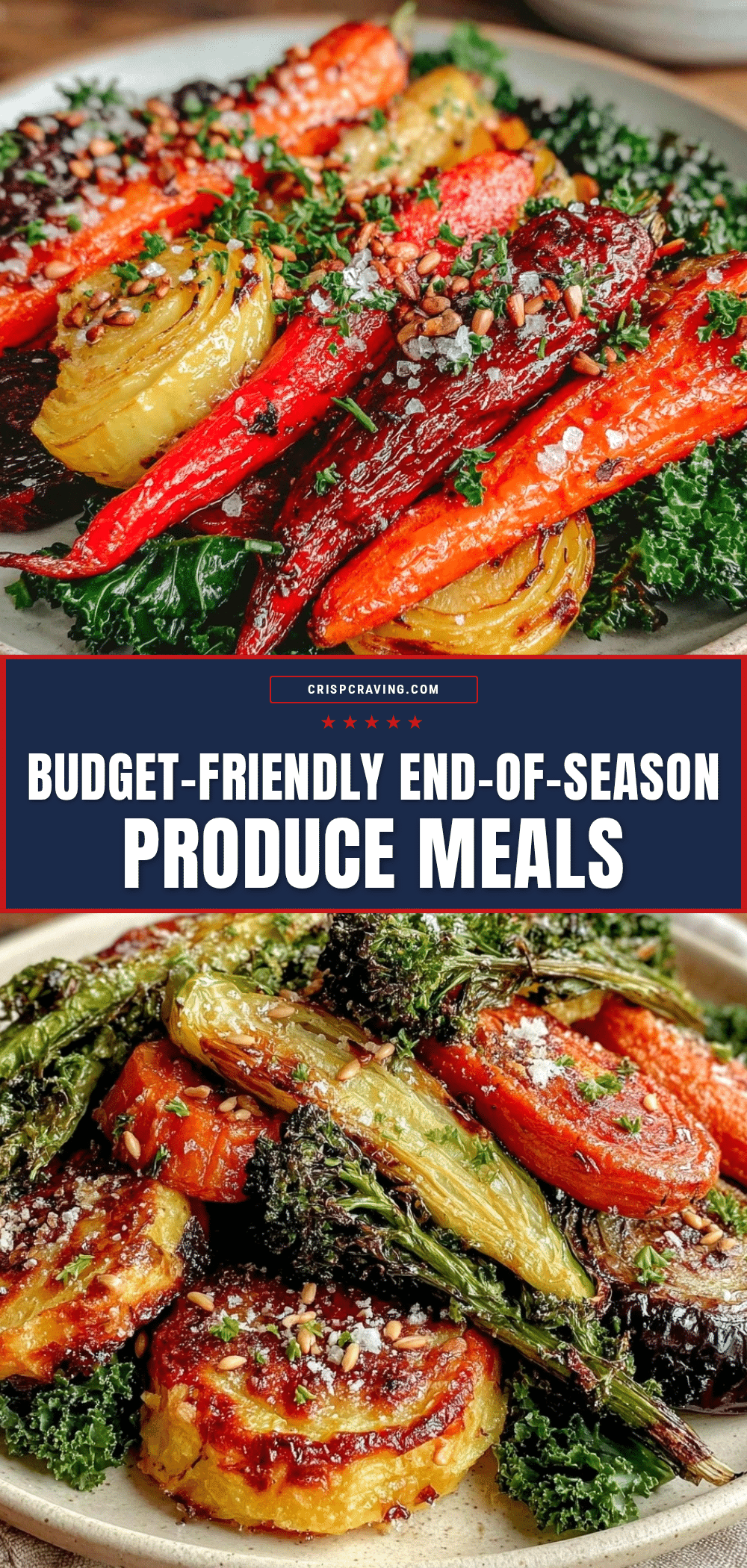
Fresh End-of-Season Produce Meals

A collection of easy, budget-friendly meals using fresh, end-of-season produce that are quick to prepare and wholesome. Perfect for busy weeknights or laid-back weekends, these recipes highlight simple ingredients and straightforward cooking methods.
- Prep Time: 15 minutes
- Cook Time: 20 minutes
- Total Time: 35 minutes
- Yield: 4 servings
- Category: Main Course
- Cuisine: American
Ingredients
- zucchini (medium-sized, sliced)
- tomatoes (ripe, diced or cherry, halved)
- bell peppers (any color, chopped)
- eggplant (cubed)
- leafy greens like spinach or kale (washed and roughly chopped)
- garlic cloves (minced)
- yellow or red onions (diced)
- spring onions (chopped)
- canned chickpeas or black beans (rinsed)
- quinoa or brown rice (cooked)
- pasta (whole wheat or regular)
- fresh basil (chopped)
- parsley (chopped)
- dried oregano
- smoked paprika
- salt
- black pepper
- extra virgin olive oil
- butter (optional, unsalted)
- tahini or nut butters for dressings or sauces
- lemon juice (freshly squeezed)
- balsamic vinegar (aged, if possible)
- crumbled feta or grated Parmesan (optional)
- toasted nuts like pine nuts or walnuts (optional)
Instructions
- Rinse all vegetables thoroughly. Slice zucchini into half-moons about 1/4 inch thick. Dice tomatoes or halve cherry tomatoes. Chop bell peppers into bite-sized pieces. Cube eggplant and roughly chop leafy greens. Mince garlic and dice onions.
- Rinse quinoa or brown rice under cold water. Add 1 cup quinoa to 2 cups boiling water, reduce heat, cover, and simmer for 15 minutes. For pasta, cook according to package instructions until al dente. Drain and set aside.
- Preheat oven to 425°F if roasting. Toss zucchini, tomatoes, bell peppers, and eggplant with 2 tablespoons olive oil, salt, pepper, and smoked paprika. Spread on a baking sheet and roast for 15-20 minutes, stirring halfway, until tender and slightly caramelized. Alternatively, sauté in a large pan over medium-high heat until veggies soften and develop a bit of color (about 10 minutes).
- In a separate pan, heat 1 tablespoon olive oil over medium heat. Add onions and garlic, cooking until translucent and fragrant, about 3-4 minutes. Add chopped greens and cook until just wilted.
- In a large mixing bowl, gently toss roasted or sautéed veggies, sautéed greens and aromatics, and cooked grains or pasta. Add fresh herbs, a squeeze of lemon juice, and a drizzle of balsamic vinegar. Season with salt and pepper to taste.
- Optionally, sprinkle with crumbled feta or grated Parmesan and toasted nuts for crunch. Drizzle with extra virgin olive oil or tahini dressing if desired.
- Serve warm or at room temperature.
Notes
If veggies release a lot of water during cooking, drain excess liquid to avoid sogginess. Avoid overcrowding the pan when roasting to ensure caramelization. Fresh herbs added at the end brighten the dish. For vegan versions, omit cheese and use plant-based alternatives. Gluten-free options include quinoa, brown rice, or gluten-free pasta.
Nutrition
- Serving Size: 1 serving (about 1/4
- Calories: 350
- Sugar: 8
- Sodium: 350
- Fat: 12
- Saturated Fat: 2
- Carbohydrates: 45
- Fiber: 8
- Protein: 10
Keywords: end-of-season produce, budget meals, easy recipes, wholesome eating, quick dinners, seasonal vegetables, vegetarian, vegan options, gluten-free options