Love this? Save it for later!
Share the inspiration with your friends
I used to think winter sangria was a pure gimmick. A marketing trick to get us to drink cold booze in January when all we really wanted was a hot toddy and our flannel pajamas. For years, I’d side-eye those Pinterest photos of cinnamon sticks floating in red wine, convinced it was just regular sangria with a star anise thrown in for decoration. My position was firm. Then, last December, my friend Jenna showed up to our annual cookie exchange carrying a glass pitcher filled with something the color of a deep ruby sunset, garnished with pomegranate seeds that looked like little edible jewels. “It’s my winter sangria,” she said, setting it down next to the gingerbread. I nodded politely, mentally preparing to take one obligatory sip and then switch to the mulled wine. But then I watched her pour herself a second glass. And a third. By the time we were boxing up the leftover snickerdoodles, the pitcher was nearly empty, and I had somehow become the person asking for the recipe before my coat was even on. Let me tell you, it wasn’t just the wine talking. This cozy winter sangria with pomegranate and apple cider is the real deal—the kind of drink that makes you believe in seasonal cocktails again. Maybe you’ve been skeptical too. I get it. But this one? It’s different.
Why You’ll Love This Recipe
This isn’t your summer sangria dressed up in a winter coat. This cozy winter sangria with pomegranate and apple cider was born from a real need: a crowd-pleasing cocktail that feels festive without requiring a bartender’s license or a specialty liquor store run. I’ve tested this version at three separate holiday gatherings, and let me tell you, it disappeared faster than the appetizer platter every single time.
- Quick & Easy: Comes together in under 10 minutes of active prep. The hardest part is slicing the orange, honestly.
- Simple Ingredients: No fancy grocery trips needed. You likely have the apple cider and cinnamon sticks in your pantry already.
- Perfect for Holiday Gatherings: Great for Christmas brunch, New Year’s Eve parties, or cozy winter dinners where you want something special but not fussy.
- Crowd-Pleaser: Gets rave reviews from red wine lovers and casual drinkers alike. The apple cider sweetness balances the tannins beautifully.
- Unbelievably Delicious: The pomegranate seeds add these little bursts of tartness that cut through the spiced wine, and the apple cider gives it a cozy, orchard-like warmth that just works.
What makes this recipe different from the rest is the technique of macerating the fruit in the brandy and maple syrup before adding the wine. It sounds fancy, but it’s dead simple, and it draws out the fruit’s natural juices and flavors in a way that just dumping everything together never could. It’s comfort in a glass—faster to make than a batch of hot chocolate, but with the same soul-soothing satisfaction. Perfect for impressing guests without stress, or turning a simple weeknight into something memorable.
What Ingredients You Will Need
This recipe uses simple, seasonal ingredients to deliver bold flavor and satisfying warmth without the fuss. Most of these are winter pantry staples, and the combination is what makes this cozy winter sangria with pomegranate and apple cider so special.
- 1 bottle dry red wine (750 ml): A medium-bodied red like Merlot, Zinfandel, or a Spanish Tempranillo works best. Avoid anything too tannic or oaky, as the apple cider will clash. I personally prefer a fruity Zinfandel for this.
- 1 ½ cups apple cider (not apple juice): Look for unfiltered, refrigerated apple cider for the best flavor. The cloudiness adds body and a deeper apple taste. (Adds that cozy orchard note)
- ¼ cup brandy or bourbon: Adds warmth and a slight vanilla-wood depth. A good quality brandy like Christian Brothers or a smooth bourbon like Buffalo Trace works beautifully.
- 3 tablespoons maple syrup (pure, not pancake syrup): This is our sweetener, and it adds a subtle, earthy sweetness that complements the spices. (Use date syrup if you want a different flavor profile)
- ½ cup pomegranate arils (fresh or frozen): These are the little jewel-like seeds. Fresh is best for texture, but frozen work fine and help keep the sangria cold without diluting it.
- 1 large orange (preferably navel or cara cara): Thinly sliced into rounds. The peel adds aromatic oils, and the flesh adds a gentle citrus note.
- 1 large apple (Honeycrisp or Fuji): Cored and thinly sliced into half-moons or matchsticks. These soften slightly in the sangria and become delicious to eat after a few hours.
- 3 cinnamon sticks: For that unmistakable winter spice aroma. Don’t use ground cinnamon—it will turn the sangria gritty.
- 3 whole star anise: Optional but highly recommended. They add a subtle licorice note that makes the drink taste incredibly complex.
- 1 cup ice (optional, for serving): I prefer to serve this slightly chilled but not over-iced. You can also serve it over a single large ice cube to avoid dilution.
Ingredient Selection Tip: For the pomegranate arils, I’ve found that the POM Wonderful brand has the most consistent quality, but any fresh pomegranate you break down yourself will work. To seed a pomegranate without staining everything in your kitchen, cut it in half, hold it cut-side down over a bowl, and whack the back of it with a wooden spoon. The seeds fall right out. It’s oddly satisfying.
Substitution Guidance: For a non-alcoholic version, simply omit the wine and brandy and use 3 cups of sparkling apple cider or ginger ale. The maple syrup and fruit will still give you that festive flavor. For a gluten-free option, ensure your brandy or bourbon is certified gluten-free—most are, but it’s worth checking.
Equipment Needed
You don’t need a professional bar setup for this cozy winter sangria with pomegranate and apple cider. Here’s the simple gear that gets the job done.
- Large glass pitcher (2-quart capacity): A clear pitcher lets you show off those beautiful pomegranate seeds and orange slices. I’ve used my grandmother’s old Pyrex one for years, and it works perfectly.
- Sharp knife and cutting board: For slicing the fruit. A serrated knife works best for citrus to get clean, thin rounds without crushing the flesh.
- Measuring cups and spoons: For accuracy. Eyeballing the maple syrup can lead to a too-sweet sangria.
- Wooden spoon or muddler: For gently pressing the fruit and spices to release their flavors. A muddler is ideal, but the back of a wooden spoon works in a pinch.
- Small bowl: For macerating the fruit in the brandy and maple syrup.
Budget-Friendly Tip: If you don’t own a muddler, don’t buy one just for this. A wooden spoon handle or even a clean, unused paint stirrer from the hardware store does the exact same job. I’ve used a chopstick in a desperate moment, and it worked fine.
Preparation Method
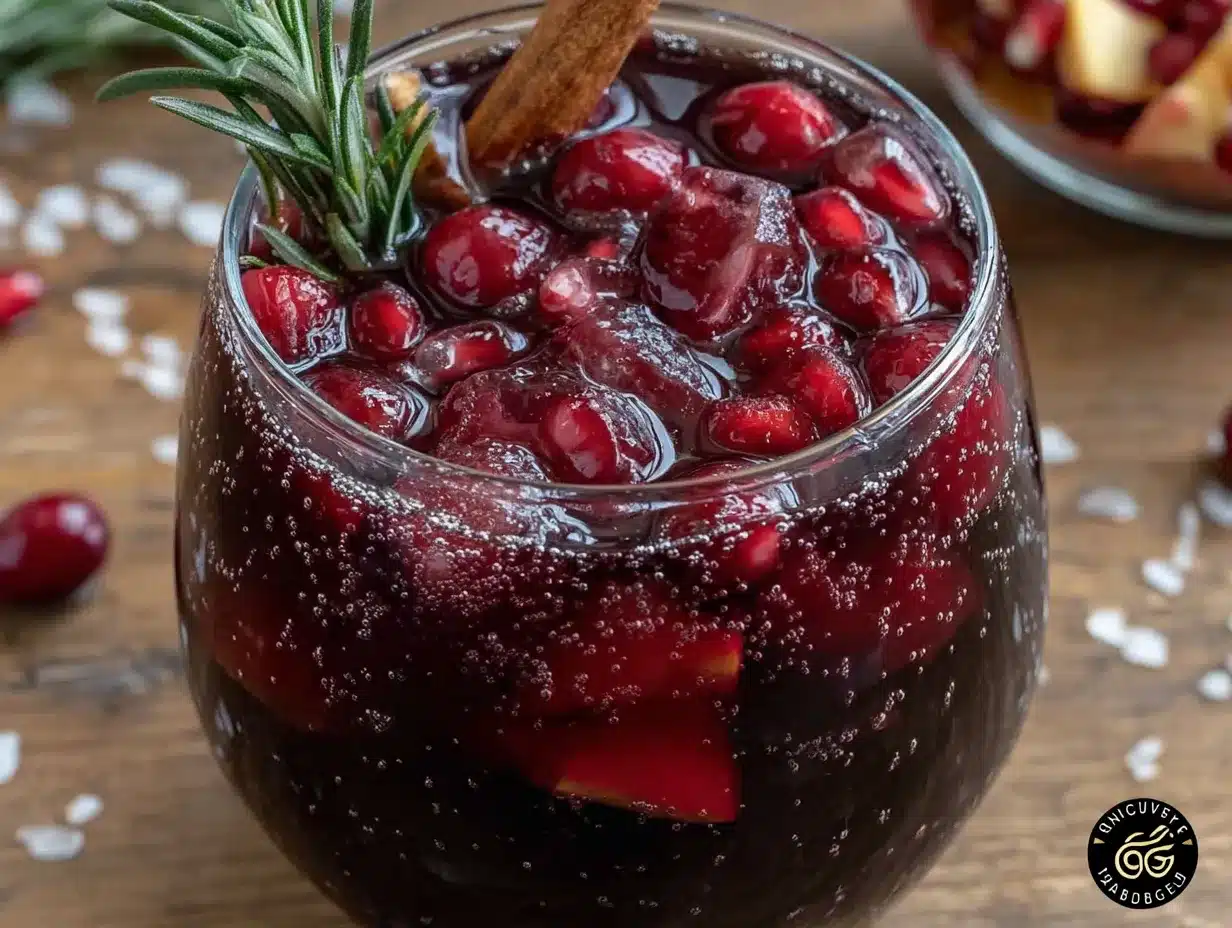
This cozy winter sangria with pomegranate and apple cider comes together in a few simple steps. The key is giving the fruit time to mingle and release its flavors into the liquid.
- Macerate the fruit (5 minutes): In a small bowl, combine the pomegranate arils, sliced orange rounds, and sliced apple. Pour the ¼ cup of brandy and 3 tablespoons of maple syrup over the fruit. Gently stir to coat everything. Let this sit for at least 10 minutes while you prepare the rest. This step is non-negotiable—it draws out the fruit’s natural juices and infuses them with the warm notes of the brandy.
- Build the base (2 minutes): In your large glass pitcher, add the 3 cinnamon sticks and 3 whole star anise (if using). Use your wooden spoon or muddler to gently press on the spices to crack them slightly—this releases their essential oils.
- Combine the liquids (1 minute): Pour the entire contents of the small bowl (fruit, brandy, and maple syrup) into the pitcher. Then add the 1 ½ cups of apple cider. Stir gently to combine.
- Add the wine (30 seconds): Pour the entire 750 ml bottle of dry red wine into the pitcher. Stir very gently—you don’t want to crush the fruit slices or break up the pomegranate arils. The sangria should look like a jewel box, not a fruit smoothie.
- Chill and marry (at least 2 hours, ideally 4-6): Cover the pitcher with plastic wrap or a lid and refrigerate for at least 2 hours. This is the hardest part—the waiting. The flavors need time to meld and deepen. The apple slices will soften slightly, and the spices will infuse the wine. I once served this after only 30 minutes, and it was good. After 4 hours, it was magic.
- Serve (2 minutes): When ready to serve, give the sangria one final gentle stir. Fill glasses about halfway with ice (or use a single large cube). Pour the sangria over the ice, making sure to get a few pomegranate arils and a slice of orange or apple into each glass. The fruit is actually delicious to eat after it’s been soaking—don’t skip it.
Sensory Cue: After the chilling period, the sangria should smell deeply of warm baking spices and sweet-tart fruit. The color will be a deep, clear ruby, and the pomegranate seeds will have settled at the bottom like little gems. If it smells more like plain wine, it needs more time to rest.
Pro Tip for Efficiency: You can do steps 1 and 2 the night before. Store the macerated fruit in the fridge and the spices in the pitcher. Then in the morning, just pour everything together and let it chill until party time. It actually tastes better on day two.
Cooking Tips & Techniques
Over the many batches of this cozy winter sangria with pomegranate and apple cider I’ve made (and the one I absolutely ruined), I’ve learned a few things worth sharing.
- Don’t skip the maceration: I once tried to save time by throwing everything directly into the pitcher. The result was a flat-tasting sangria where the fruit was just floating in wine. Macerating the fruit in the brandy and maple syrup is the secret to that deep, cohesive flavor. The sugar in the maple syrup draws out the fruit’s juices, and the alcohol in the brandy carries those flavors into the wine.
- Watch the sweetness: Different apple ciders have different sugar levels. A tart, farm-fresh cider might need the full 3 tablespoons of maple syrup, while a sweeter, commercial brand might only need 2. Taste your cider first. If it’s already quite sweet, start with 2 tablespoons of maple syrup and add more after the sangria has chilled.
- The ice dilemma: Adding ice directly to the pitcher will dilute the sangria as it sits. Instead, serve it over ice in individual glasses. For an even better experience, make an ice ring or large cubes using apple cider—they’ll chill the sangria without watering it down.
- My biggest failure: I once used a very cheap, very tannic Cabernet Sauvignon because it was on sale. The result was a bitter, astringent sangria that even a full ¼ cup of maple syrup couldn’t save. The lesson? Use a wine you’d actually drink on its own. It doesn’t have to be expensive, but it shouldn’t be painful.
Variations & Adaptations
This cozy winter sangria with pomegranate and apple cider is wonderfully adaptable. Here are a few ways I’ve tweaked it depending on the occasion and the crowd.
- Spiced Pear Variation: Swap the apple for 1 large ripe pear (cored and sliced) and replace the apple cider with pear cider or pear nectar. The flavor is more delicate and floral, perfect for a fancy brunch. I tried this for a baby shower, and it was a huge hit.
- White Winter Sangria: Use a dry white wine like Sauvignon Blanc or Pinot Grigio instead of red. Swap the brandy for elderflower liqueur (St-Germain is my go-to). The flavor becomes lighter and more botanical, with the pomegranate seeds adding a beautiful pop of color.
- Slow Cooker Hot Sangria: For a cold night when you want something warm, combine all ingredients (except the ice) in a slow cooker. Cook on low for 2-3 hours. The alcohol will cook off slightly, making it a bit milder, but the spices will become incredibly aromatic. Serve in mugs with a cinnamon stick garnish.
- Low-Sugar Adaptation: Use a dry red wine and a sugar-free apple cider (many brands make one). Replace the maple syrup with a few drops of monk fruit sweetener or stevia. The fruit will still provide natural sweetness and flavor.
Serving & Storage Suggestions
This cozy winter sangria with pomegranate and apple cider is best served chilled but not icy. I recommend letting it sit out for 5-10 minutes after taking it out of the fridge before serving. This allows the aromatics to open up.
Presentation: Serve in clear wine glasses or tumblers to show off the beautiful color and fruit. Add a fresh cinnamon stick or a small sprig of rosemary to each glass for a festive touch. The rosemary adds an unexpected herbal note that pairs surprisingly well with the apple cider.
Complementary Dishes: This sangria is incredibly versatile. It pairs beautifully with a cheese board featuring aged cheddar and manchego, or with roasted nuts and dried fruit. For a full meal, serve it alongside a hearty winter stew or a roast chicken. It also works wonderfully with dessert—try it with a simple apple tart or dark chocolate bark.
Storage Instructions: The sangria will keep in the refrigerator for up to 3 days. In fact, the flavors continue to develop and deepen. The fruit will soften over time, but that’s part of the charm. Do not freeze it, as the wine will separate and the texture will be ruined.
Reheating (for the hot version): If you made the slow cooker hot sangria, you can store leftovers in the fridge and reheat gently on the stove or in the microwave. Add a splash of fresh apple cider before reheating to revive the apple flavor.
Flavor Development Note: The sangria is at its peak between 6 and 24 hours after making it. After 48 hours, the fruit will start to break down and the sangria may become slightly cloudy. It’s still perfectly drinkable, but the texture changes. Plan to serve it within the first day for the best experience.
Nutritional Information & Benefits
While this cozy winter sangria with pomegranate and apple cider is a treat, it does offer some surprising nutritional perks, especially from the fruit.
- Estimated per serving (1 cup, without ice): Approximately 180-220 calories, 15-20g carbohydrates (mostly from natural sugars in the fruit and cider), 0g fat, 0g protein. Alcohol content varies based on the wine and brandy used.
- Pomegranate Arils: These little gems are packed with antioxidants called punicalagins, which are known for their anti-inflammatory properties. They also contain vitamin C and potassium.
- Apple Cider: Unfiltered apple cider contains polyphenols and quercetin, which may support heart health and immune function. It’s not a health drink, but it’s a better base than sugary soda.
- Dietary Considerations: This recipe is naturally gluten-free and dairy-free. For a vegan option, ensure your wine and brandy are vegan-friendly (many are fined with animal products, but brands like Yellow Tail and Barefoot offer vegan options).
- Potential Allergens: None of the common allergens (dairy, eggs, nuts, soy, wheat) are present in this recipe. However, always check the labels on your wine and brandy if you have specific sensitivities.
From my own wellness perspective, I love that this sangria lets me enjoy a festive drink without the artificial syrups and neon colors of many holiday cocktails. It’s made from real food, and it tastes like it.
Conclusion
This cozy winter sangria with pomegranate and apple cider has officially converted me from a winter sangria skeptic to a full-blown evangelist. It’s the drink I now bring to every holiday gathering, the one I make for myself on cold Sunday afternoons when I want something that feels special without requiring a trip to the liquor store for some obscure liqueur.
The beauty of this recipe is how forgiving it is. Don’t have star anise? Skip it. Want more apple flavor? Add an extra splash of cider. Prefer bourbon over brandy? Go for it. This sangria is a template, not a prison. Make it your own, and I promise it will become a staple in your winter rotation.
So here’s my challenge to you: make this for your next gathering, whether it’s a casual dinner with friends or a full-blown New Year’s Eve party. Watch the pitcher empty. Listen to the compliments. And then come back and tell me how it went. I’d love to hear about your version, your tweaks, and your own conversion story. Drop a comment below or tag me in your photos—I’m genuinely excited to see what you create.
Now go pour yourself a glass. You’ve earned it.
Frequently Asked Questions
Can I make this sangria ahead of time?
Absolutely. In fact, I recommend it. This cozy winter sangria with pomegranate and apple cider tastes better after the flavors have had time to meld. Make it the day before your event and store it covered in the refrigerator. Just give it a gentle stir before serving.
What’s the best wine to use for winter sangria?
A medium-bodied red wine with fruit-forward notes is ideal. Look for a Merlot, Zinfandel, or a Spanish Tempranillo. Avoid anything too tannic or oaky, like a bold Cabernet Sauvignon or a heavily oaked Chardonnay. If you’re unsure, ask your local wine shop for a “table wine” or “everyday red” in the $10-$15 range.
Can I make a non-alcoholic version of this sangria?
Yes, and it’s still delicious! Omit the wine and brandy. Use 3 cups of sparkling apple cider or a combination of apple cider and ginger ale. Add an extra splash of pomegranate juice (the kind you find in the refrigerated section) for color and tartness. The macerated fruit and spices will still give you that festive winter flavor.
How long will the sangria keep in the refrigerator?
The sangria will keep for up to 3 days in a covered pitcher in the refrigerator. The fruit will continue to soften and release its juices, which changes the texture slightly but not the flavor. After 3 days, the fruit may start to break down and the sangria may become a bit cloudy. It’s still safe to drink, but it won’t look as pretty.
Can I add other fruits or spices to this recipe?
Absolutely. This recipe is a fantastic base for experimentation. Try adding sliced pears, fresh cranberries, or even a handful of frozen raspberries. For spices, a few whole cloves or a piece of fresh ginger (thinly sliced) would work beautifully. Just remember that strong spices like cloves can overpower the drink quickly, so start with less and taste as you go.
Pin This Recipe!
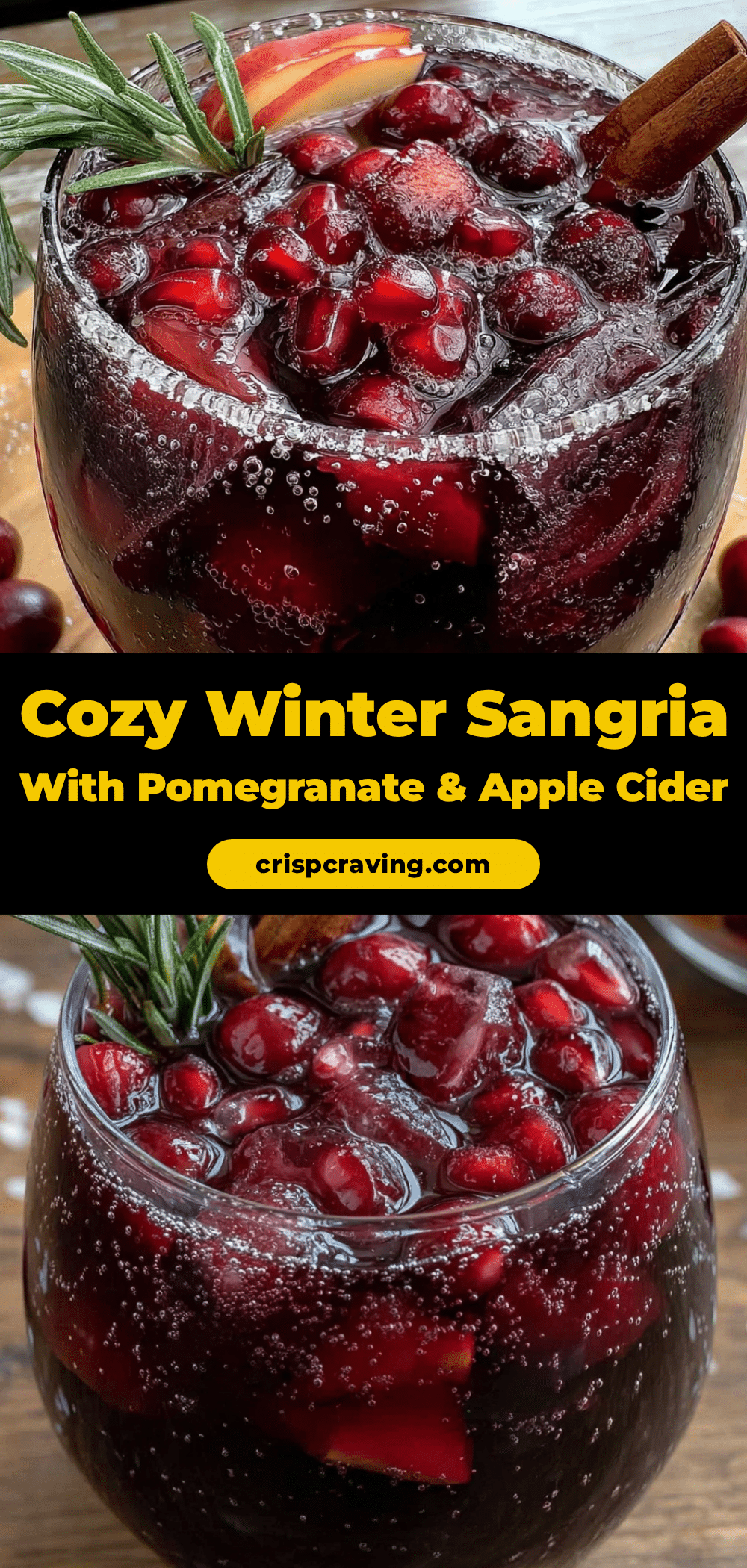
Cozy Winter Sangria Recipe with Pomegranate and Apple Cider
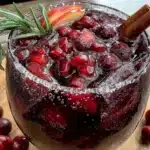
This cozy winter sangria with pomegranate and apple cider is a crowd-pleasing cocktail that feels festive without requiring a bartender’s license. It’s made with simple ingredients and comes together in under 10 minutes of active prep.
- Prep Time: 10 minutes
- Cook Time: 0 minutes
- Total Time: 2 hours 10 minutes (minimum chilling time)
- Yield: 6 servings 1x
- Category: Beverage
- Cuisine: American
Ingredients
- 1 bottle dry red wine (750 ml)
- 1 ½ cups apple cider (not apple juice)
- ¼ cup brandy or bourbon
- 3 tablespoons maple syrup (pure, not pancake syrup)
- ½ cup pomegranate arils (fresh or frozen)
- 1 large orange (preferably navel or cara cara), thinly sliced into rounds
- 1 large apple (Honeycrisp or Fuji), cored and thinly sliced into half-moons or matchsticks
- 3 cinnamon sticks
- 3 whole star anise (optional)
- 1 cup ice (optional, for serving)
Instructions
- Macerate the fruit: In a small bowl, combine the pomegranate arils, sliced orange rounds, and sliced apple. Pour the ¼ cup of brandy and 3 tablespoons of maple syrup over the fruit. Gently stir to coat everything. Let this sit for at least 10 minutes while you prepare the rest.
- Build the base: In your large glass pitcher, add the 3 cinnamon sticks and 3 whole star anise (if using). Use your wooden spoon or muddler to gently press on the spices to crack them slightly—this releases their essential oils.
- Combine the liquids: Pour the entire contents of the small bowl (fruit, brandy, and maple syrup) into the pitcher. Then add the 1 ½ cups of apple cider. Stir gently to combine.
- Add the wine: Pour the entire 750 ml bottle of dry red wine into the pitcher. Stir very gently—you don’t want to crush the fruit slices or break up the pomegranate arils.
- Chill and marry: Cover the pitcher with plastic wrap or a lid and refrigerate for at least 2 hours, ideally 4-6 hours.
- Serve: When ready to serve, give the sangria one final gentle stir. Fill glasses about halfway with ice (or use a single large cube). Pour the sangria over the ice, making sure to get a few pomegranate arils and a slice of orange or apple into each glass.
Notes
Macerating the fruit in brandy and maple syrup is key for deep flavor. For a non-alcoholic version, omit wine and brandy and use 3 cups of sparkling apple cider or ginger ale. The sangria tastes even better on day two. Serve over ice in individual glasses to avoid dilution.
Nutrition
- Serving Size: 1 cup (without ice)
- Calories: 200
- Sugar: 14
- Sodium: 10
- Carbohydrates: 18
- Fiber: 1
Keywords: winter sangria, pomegranate sangria, apple cider sangria, holiday cocktail, easy sangria, red wine sangria