Love this? Save it for later!
Share the inspiration with your friends
My neighbor wasn’t trying to impress anyone. I’d stopped by to return her cat, who had taken up residence on my porch, and the smell hit me before I even knocked. It was deep, savory, and sweet all at once—the kind of scent that makes you forget why you came over in the first place. She opened the door with a towel over her shoulder and said, “Oh, it’s just a brisket. Nothing fancy.” I watched her pull this gorgeous, glistening hunk of beef out of the oven, and honestly, I felt a little jealous. She wasn’t showing off. She was just making dinner on a Tuesday.
That moment stuck with me. The casualness of it all—she was wearing sweatpants and had a show paused on the TV. Yet there she was, creating something that smelled like a Sunday dinner at my grandmother’s house. I asked her for the recipe, and she shrugged and said, “I just throw stuff in a pot and let it do its thing.” Let me tell you, that “stuff” turned into the most tender, flavorful brisket I’d ever tasted. The caramelized onions and carrots were practically candy, and the meat fell apart with a fork.
Maybe you’ve been there—standing in someone’s kitchen, watching them casually transform simple ingredients into pure magic. That’s how this cozy slow braised brisket came into my life. I’ve tweaked it over the years, added a few tricks of my own, but the heart of it is still that neighbor’s nonchalant brilliance. It’s the kind of dish that makes your house smell like a hug, and I promise you, it’s worth every minute of braising time.
Why You’ll Love This Recipe
This isn’t just another brisket recipe. After testing this dish a dozen times—and yes, I’ve had a few dry, disappointing briskets along the way—I can confidently say this version is foolproof. Here’s why it’s become my go-to comfort meal:
- Incredibly Tender: The low-and-slow braising method breaks down the connective tissue, giving you meat that melts in your mouth every single time.
- Simple Pantry Ingredients: You don’t need a specialty butcher or exotic spices. Onions, carrots, beef broth, and a few herbs are all it takes.
- One-Pot Wonder: Everything cooks in a single Dutch oven, which means less cleanup and more time to curl up on the couch.
- Perfect for Meal Prep: This brisket actually tastes better the next day, making it ideal for Sunday meal prep or feeding a crowd.
- Comfort Food at Its Finest: The sweet, jammy caramelized onions and tender carrots soak up all the beefy juices. It’s the kind of meal that makes a cold, rainy evening feel warm and safe.
What sets this recipe apart is the technique. Most recipes rush the caramelization step, but I let those onions cook low and slow until they’re deep brown and almost jam-like. That extra patience pays off in layers of flavor you just can’t get from a quick sauté. Plus, I add a splash of balsamic vinegar at the end to brighten everything up—a little trick I learned from that neighbor, actually.
This is the recipe you make when you need a culinary hug. It’s rich, soulful, and surprisingly easy once you get it going. The oven does most of the work while you relax, and the payoff is a dinner that feels like a celebration, even on a random Wednesday.
What Ingredients You Will Need
This recipe uses simple, wholesome ingredients that come together to create something truly special. Most of these are pantry staples or easily found at your local grocery store.
- Beef Brisket (3-4 pounds): Look for a flat cut or point cut brisket with good marbling. The fat keeps the meat moist during the long braise. I prefer a flat cut for more even slices, but either works beautifully.
- Yellow Onions (4 large): These are the backbone of the dish. They break down into a sweet, caramelized base that flavors the entire braising liquid. Don’t skimp on them—they shrink significantly as they cook.
- Carrots (6 medium): Use whole or large carrots, not baby ones. They hold up better during the long cooking time and absorb the savory juices beautifully. Cut them into thick chunks so they don’t turn to mush.
- Garlic (6 cloves): Smashed or minced, garlic adds a warm, aromatic depth. I like to add half at the beginning and half about an hour before the brisket is done.
- Beef Broth (2 cups): Use a good-quality low-sodium broth so you can control the salt level. Homemade is amazing here, but store-bought works perfectly.
- Dry Red Wine (1 cup): A full-bodied wine like Cabernet Sauvignon or Merlot adds richness and acidity. If you don’t cook with wine, you can substitute with additional beef broth and a splash of balsamic vinegar.
- Tomato Paste (2 tablespoons): This adds umami and helps thicken the braising liquid slightly. I love the double-concentrated tubes for convenience.
- Fresh Thyme (4 sprigs): Earthy and slightly floral, thyme pairs perfectly with beef. Dried thyme works in a pinch—use about 1 teaspoon.
- Bay Leaves (2): These add a subtle herbal note that develops during the long braise. Remember to remove them before serving.
- Olive Oil (2 tablespoons): For searing the brisket and starting the onions. Use a good extra-virgin oil for the best flavor.
- Balsamic Vinegar (1 tablespoon): Added at the end to brighten the sauce and cut through the richness. This is my secret weapon.
- Salt and Black Pepper: Kosher salt is best for seasoning the meat generously. Freshly cracked black pepper adds a gentle heat.
- Optional: Fresh Parsley: For garnish. It adds a pop of color and freshness to the finished dish.
Equipment Needed
You don’t need a fancy kitchen to make this brisket, but having the right tools makes the process smoother. Here’s what you’ll need:
- Dutch Oven: This is the star of the show. A heavy-bottomed, oven-safe pot with a tight-fitting lid is ideal for braising. I use a 6-quart Le Creuset, but any enameled cast iron or heavy stainless steel pot works. If you don’t have one, a deep roasting pan covered tightly with foil will also work.
- Sharp Chef’s Knife: For trimming the brisket and cutting the vegetables. A dull knife makes the job harder and less safe.
- Cutting Board: A sturdy wooden or plastic board for prepping ingredients.
- Tongs: For flipping the brisket during searing. Metal tongs with a good grip are best.
- Wooden Spoon or Spatula: For stirring the onions and scraping up the browned bits from the bottom of the pot (that’s where the flavor is).
- Measuring Cups and Spoons: For accurate liquid and spice measurements.
- Aluminum Foil: If you don’t have a tight-fitting lid, foil helps create a seal to trap steam.
- Instant-Read Thermometer: Optional but helpful to ensure the brisket reaches an internal temperature of around 200°F for perfect tenderness.
Preparation Method
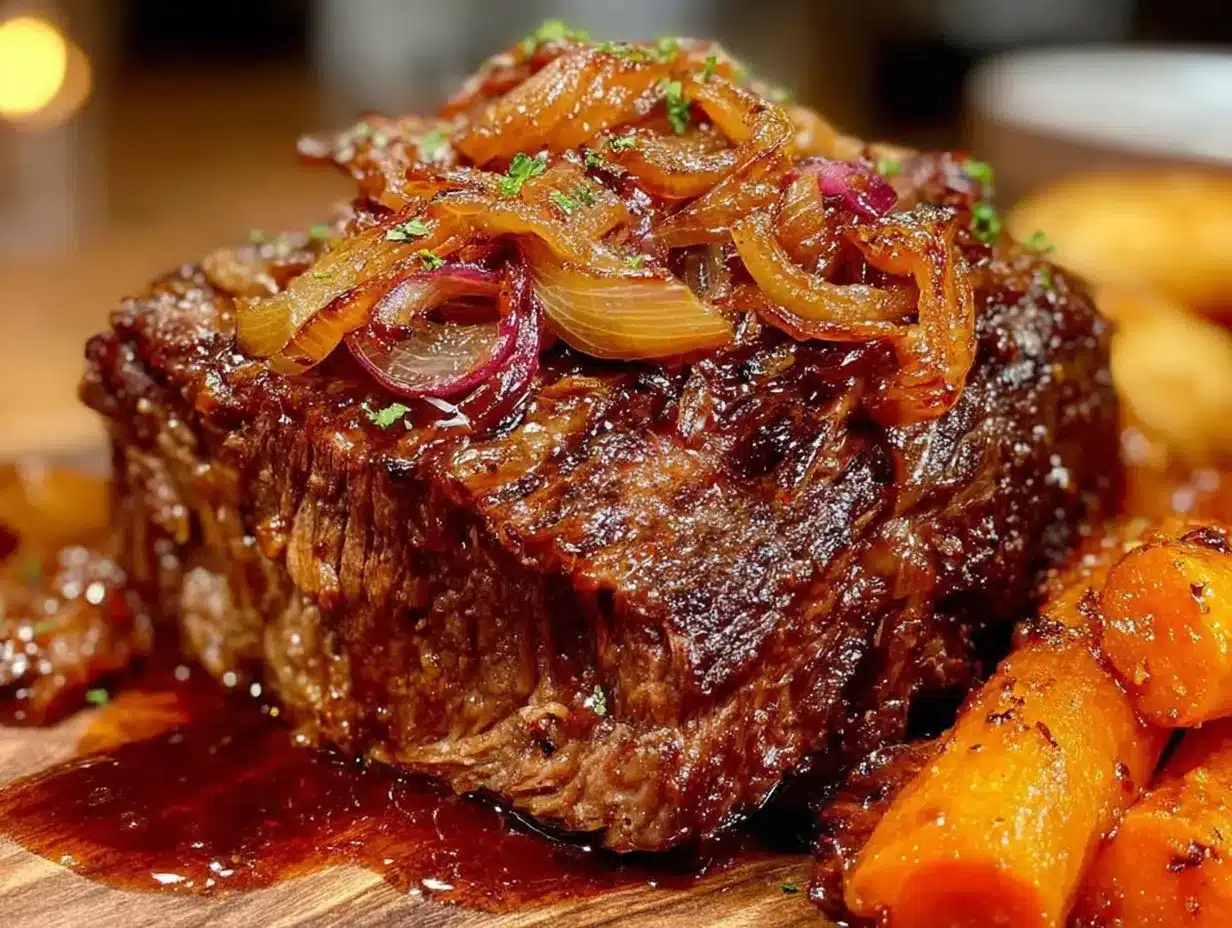
Take your time with this recipe—the slow cooking is what makes it special. Here’s how to do it step by step.
- Prep the Brisket (10 minutes): Pat the brisket dry with paper towels. This is crucial for a good sear. Trim any excess fat, leaving about a 1/4-inch layer on one side. Season generously on all sides with salt and black pepper. Let it sit at room temperature for 20-30 minutes while you prep the vegetables.
- Caramelize the Onions (45 minutes): Heat 2 tablespoons of olive oil in your Dutch oven over medium heat. Add the sliced onions and a pinch of salt. Cook, stirring occasionally, for about 40-45 minutes. The onions will release liquid, then slowly turn golden and then deep brown. Don’t rush this step—low and slow is the key. If they start to stick, add a splash of water or broth. Toward the end, add the minced garlic and cook for another minute until fragrant.
- Sear the Brisket (15 minutes): Push the caramelized onions to the sides of the pot. Increase the heat to medium-high. Add the brisket and sear for 4-5 minutes per side, until a deep brown crust forms. Don’t move the meat too much—let it develop that crust. Use tongs to flip and sear the edges as well.
- Deglaze the Pot (5 minutes): Remove the brisket to a plate. Pour in the red wine, scraping up all the browned bits from the bottom of the pot with a wooden spoon. Let the wine simmer for 2-3 minutes to reduce slightly. Add the tomato paste and stir it into the liquid.
- Assemble the Braise (10 minutes): Return the brisket to the pot, fat side up. Add the beef broth, thyme sprigs, and bay leaves. Tuck the carrot chunks around the brisket. The liquid should come about halfway up the sides of the meat—add a little water if needed. Bring the liquid to a gentle simmer.
- Braise in the Oven (3-4 hours): Cover the Dutch oven with its lid and transfer to a preheated 300°F (150°C) oven. Cook for 3 to 4 hours, or until the brisket is fork-tender. Check after 2 hours—if the liquid has reduced too much, add a splash of broth or water. The carrots should be tender but still hold their shape.
- Rest and Serve (15 minutes): Carefully remove the pot from the oven. Transfer the brisket to a cutting board and let it rest for 10-15 minutes. This allows the juices to redistribute. Remove the thyme sprigs and bay leaves from the pot. Stir in the balsamic vinegar and adjust seasoning with salt and pepper.
- Slice and Serve: Slice the brisket against the grain into thick slices. Serve with the carrots and a generous spoonful of the onion-studded braising liquid. Garnish with fresh parsley if desired.
Cooking Tips & Techniques
I’ve made this brisket enough times to learn a few things the hard way. Here are my best tips to guarantee success.
- Don’t Skip the Searing: That brown crust is pure flavor. A good sear creates the Maillard reaction, which adds depth and complexity to the final dish. Pat the meat dry first, or it will steam instead of sear.
- Low and Slow is Non-Negotiable: Braising at 300°F is the sweet spot. Too high, and the meat will toughen up before it has a chance to break down. Too low, and it won’t get tender. Trust the process.
- Patience with Onions: I once tried to speed up the caramelization by cranking the heat. The onions burned on the outside and stayed raw on the inside. Keep the heat medium-low and stir every few minutes. The result is worth the wait.
- Slice Against the Grain: This is the most important step for tender meat. Look for the direction of the muscle fibers and slice perpendicular to them. Cutting with the grain gives you chewy, stringy meat.
- Make It Ahead: This brisket actually improves overnight. The flavors meld and deepen, and the meat becomes even more tender. Make it a day ahead, refrigerate, then reheat gently on the stovetop or in a low oven.
- Watch the Liquid Level: The braising liquid should come about halfway up the brisket. Too much liquid and the meat will boil; too little and it may dry out. Check it halfway through cooking and add broth if needed.
Variations & Adaptations
This recipe is wonderfully flexible. Here are a few ways to make it your own.
- Add More Vegetables: Try adding parsnips, celery root, or turnips along with the carrots. They all hold up well to long braising and soak up the savory liquid beautifully.
- Make It Gluten-Free: This recipe is naturally gluten-free as written. Just double-check your beef broth and tomato paste labels to ensure they don’t contain any hidden gluten.
- Try a Different Herb Profile: Swap the thyme for rosemary or sage for a different flavor. A couple of sprigs of fresh oregano also work nicely. Just avoid delicate herbs like basil or cilantro, which will break down during the long cook.
- Add a Touch of Sweetness: If you like a slightly sweeter sauce, add a tablespoon of brown sugar or a drizzle of honey along with the balsamic vinegar. It balances the acidity and enhances the caramelized onions.
- Use a Different Cut of Beef: Chuck roast or bottom round also work well for braising. The cooking time may vary slightly, so check for tenderness with a fork. Chuck roast is usually done in about 3 hours.
- Make It Spicy: Add a dried chili or a teaspoon of smoked paprika to the braising liquid for a subtle warmth. Chipotle powder adds a smoky heat that pairs surprisingly well with the sweet onions.
Serving & Storage Suggestions
This brisket is a meal in itself, but a few simple sides make it even better. Here’s how to serve and store it.
Serving Suggestions: Serve the brisket hot, straight from the pot. Spoon the braising liquid and caramelized onions over the top. It pairs beautifully with mashed potatoes, creamy polenta, or crusty bread to soak up every drop of sauce. A simple green salad with a tangy vinaigrette cuts through the richness nicely. For a cozy winter meal, serve it with roasted root vegetables or a side of buttery egg noodles.
Storage Instructions: Store leftover brisket in an airtight container in the refrigerator for up to 4 days. The flavors actually deepen and improve over time. To freeze, let the brisket cool completely, then wrap it tightly in plastic wrap and foil, or place it in a freezer-safe container with some of the braising liquid. It will keep for up to 3 months. Thaw overnight in the refrigerator before reheating.
Reheating Tips: The best way to reheat brisket is low and slow to prevent it from drying out. Place it in a covered baking dish with a splash of broth or water and warm it in a 300°F oven for 15-20 minutes. You can also reheat individual portions in a covered skillet over low heat. Avoid the microwave, which tends to toughen the meat. The braising liquid can be reheated on the stovetop and spooned over the meat just before serving.
Nutritional Information & Benefits
This cozy brisket is a hearty, nutrient-rich meal that fits into a balanced diet. Here’s a rough estimate per serving (based on 8 servings):
- Calories: 450-550
- Protein: 40-45g
- Fat: 25-30g
- Carbohydrates: 15-20g
- Fiber: 3-4g
- Iron: 25% of the Daily Value
- Vitamin A: 120% of the Daily Value (from carrots)
Beef brisket is an excellent source of high-quality protein, iron, zinc, and B vitamins, which support energy metabolism and immune function. The carrots provide a hefty dose of vitamin A, essential for eye health and immune support. Onions are rich in antioxidants and prebiotic fibers that support gut health. While this dish is higher in fat, much of it comes from the marbling of the brisket, which contributes to the tenderness and flavor. If you’re watching your sodium, use low-sodium broth and go easy on the added salt. This meal is naturally gluten-free and can be made dairy-free by skipping any butter-based sides.
Conclusion
This cozy slow braised brisket is more than just a recipe—it’s an experience. It’s the smell that fills your kitchen on a lazy Sunday, the warmth that spreads through you with every bite, and the kind of meal that makes everyone at the table go quiet for a moment. I make it when I need a reminder that good things take time, and that simple ingredients, treated with care, can become something extraordinary.
I hope you’ll give it a try, maybe on a chilly evening or a day when you just need a little comfort. Feel free to tweak it—add your favorite herbs, swap in different vegetables, or make it your own. That’s the beauty of a good braise. And when you do make it, I’d love to hear how it turned out. Drop a comment below, share a photo, or tell me how you made it your own. Happy cooking, friend. You’ve got this.
Frequently Asked Questions
Can I make this brisket in a slow cooker?
Absolutely. Sear the brisket and caramelize the onions on the stovetop first, then transfer everything to a slow cooker. Cook on low for 8-10 hours or on high for 4-5 hours, until the meat is fork-tender. The carrots may get softer in a slow cooker, so consider adding them halfway through cooking.
How do I know when the brisket is done?
The brisket is done when it’s fork-tender—meaning you can easily slide a fork into the meat and it almost falls apart. An instant-read thermometer should read around 200°F (93°C) when inserted into the thickest part. Don’t rely solely on time; every piece of meat is different.
Can I use a different liquid instead of red wine?
Yes. If you prefer not to use wine, substitute with an equal amount of beef broth plus a tablespoon of balsamic or apple cider vinegar. The vinegar adds the acidity needed to balance the richness. You can also use dark beer or stout for a deeper, maltier flavor.
Why is my brisket tough?
Tough brisket usually means it hasn’t cooked long enough. The connective tissue needs time to break down into gelatin, which makes the meat tender. If your brisket is tough after the recommended cooking time, return it to the oven for another 30-60 minutes and check again. Low and slow is the key.
Can I freeze the leftovers?
Yes, brisket freezes beautifully. Let it cool completely, then store it in an airtight container or freezer bag with some of the braising liquid. It will keep for up to 3 months. Thaw overnight in the fridge and reheat gently in a covered dish with a splash of broth to keep it moist.
Pin This Recipe!
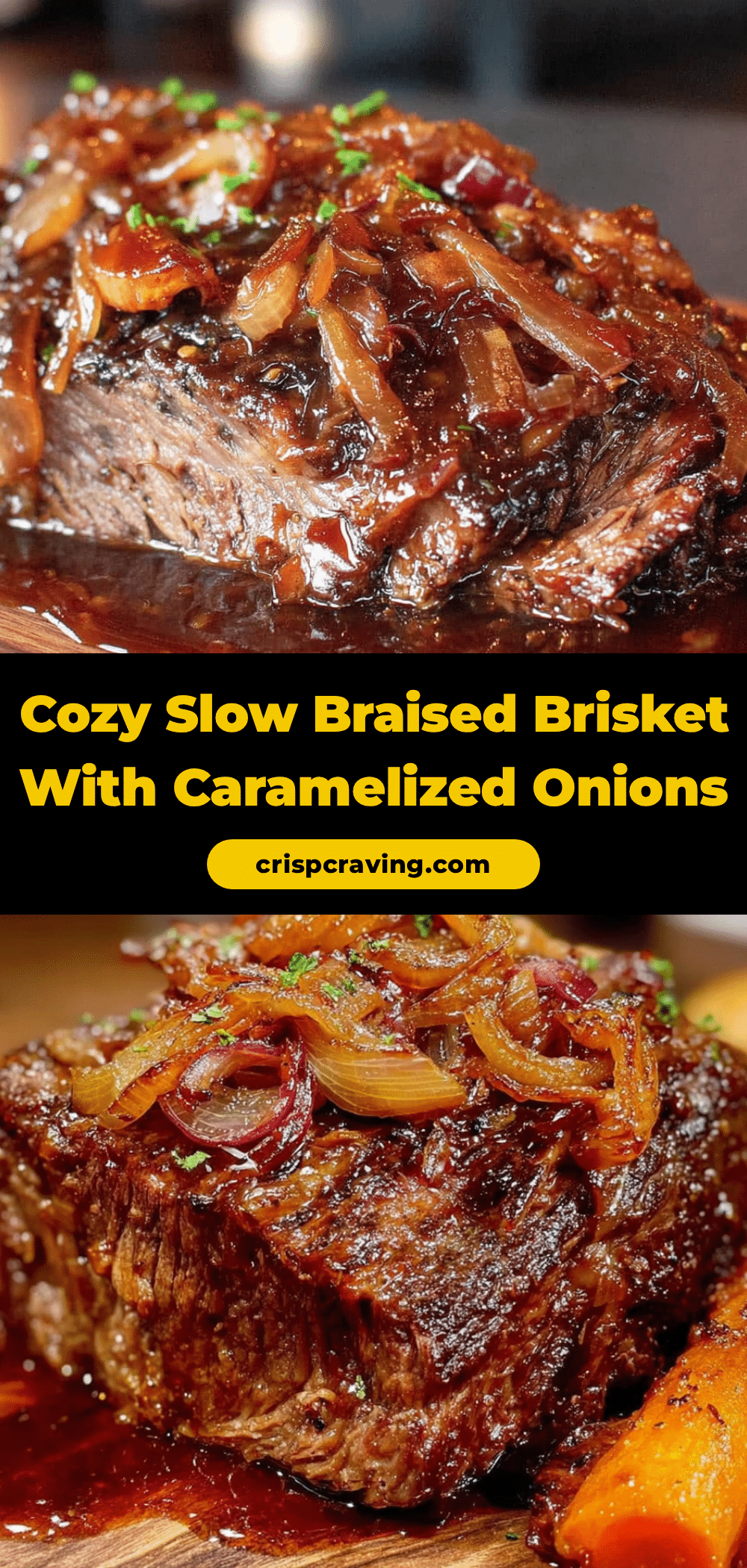
Cozy Braised Brisket with Caramelized Onions & Carrots
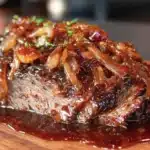
This tender, slow-braised brisket with sweet caramelized onions and carrots is the ultimate comfort food. Simple ingredients and a low-and-slow method create a melt-in-your-mouth meal that tastes like a hug.
- Prep Time: 30 minutes
- Cook Time: 3 hours 30 minutes
- Total Time: 4 hours
- Yield: 8 servings 1x
- Category: Main Course
- Cuisine: American
Ingredients
- 3–4 pounds beef brisket (flat cut or point cut)
- 4 large yellow onions, sliced
- 6 medium carrots, cut into thick chunks
- 6 cloves garlic, smashed or minced
- 2 cups low-sodium beef broth
- 1 cup dry red wine (e.g., Cabernet Sauvignon or Merlot)
- 2 tablespoons tomato paste
- 4 sprigs fresh thyme (or 1 teaspoon dried)
- 2 bay leaves
- 2 tablespoons olive oil
- 1 tablespoon balsamic vinegar
- Kosher salt and freshly cracked black pepper, to taste
- Fresh parsley for garnish (optional)
Instructions
- Prep the brisket: Pat the brisket dry with paper towels. Trim excess fat, leaving about 1/4-inch layer on one side. Season generously on all sides with salt and black pepper. Let sit at room temperature for 20-30 minutes.
- Caramelize the onions: Heat 2 tablespoons olive oil in a Dutch oven over medium heat. Add sliced onions and a pinch of salt. Cook, stirring occasionally, for 40-45 minutes until deep golden brown. Add minced garlic and cook 1 minute more.
- Sear the brisket: Push onions to the sides of the pot. Increase heat to medium-high. Add brisket and sear 4-5 minutes per side until a deep brown crust forms. Use tongs to sear edges as well.
- Deglaze the pot: Remove brisket to a plate. Pour in red wine, scraping up browned bits with a wooden spoon. Let simmer 2-3 minutes to reduce slightly. Stir in tomato paste.
- Assemble the braise: Return brisket to pot, fat side up. Add beef broth, thyme sprigs, and bay leaves. Tuck carrot chunks around the brisket. Liquid should come about halfway up the meat; add water if needed. Bring to a gentle simmer.
- Braise in the oven: Cover Dutch oven with lid and transfer to a preheated 300°F (150°C) oven. Cook 3-4 hours until brisket is fork-tender. Check after 2 hours; add broth if liquid has reduced too much.
- Rest and serve: Remove pot from oven. Transfer brisket to a cutting board and rest 10-15 minutes. Remove thyme sprigs and bay leaves from pot. Stir in balsamic vinegar and adjust seasoning with salt and pepper.
- Slice and serve: Slice brisket against the grain into thick slices. Serve with carrots and a generous spoonful of braising liquid. Garnish with fresh parsley if desired.
Notes
For best results, don’t rush the caramelization of the onions. The brisket can be made a day ahead; flavors deepen overnight. Slice against the grain for tender meat. If you don’t have red wine, substitute with additional beef broth and a splash of balsamic vinegar.
Nutrition
- Serving Size: 1 serving (about 6-8
- Calories: 500
- Sugar: 8
- Sodium: 600
- Fat: 28
- Saturated Fat: 10
- Carbohydrates: 18
- Fiber: 4
- Protein: 42
Keywords: braised brisket, caramelized onions, carrots, comfort food, slow cooked, one pot, beef brisket