Love this? Save it for later!
Share the inspiration with your friends
I was at the farmer’s market last September, arms full of heirloom tomatoes I absolutely did not need, when the woman running the mushroom stand—a petite older lady named Rosa who I’d only ever exchanged nods with—looked at my haul and said, “You’re going to make sauce with those, aren’t you?” I laughed and told her I’d never actually made a proper homemade garden tomato sauce before. I’d always bought the jarred stuff, honestly, because who has the time? She shook her head, wiped her hands on her apron, and spent the next ten minutes telling me exactly how her grandmother did it in a tiny Italian kitchen with no fancy equipment. No food mill, no immersion blender, just patience and good tomatoes. I scribbled her instructions on the back of a receipt, and let me tell you, I almost lost that crumpled piece of paper twice before I made it home. But I’m so glad I didn’t, because this small batch homemade garden tomato sauce has completely changed the way I think about pasta night. It’s not a huge production—you don’t need a bushel of tomatoes or a day off work. It’s just you, a few pounds of ripe garden tomatoes, and about an hour of your time. Maybe you’ve been there, staring at a pile of tomatoes from your garden or a neighbor’s surplus, wondering what to do with them all. This is the answer.
There’s something about making your own tomato sauce that feels almost magical. The way the kitchen fills with that sweet, savory aroma as the tomatoes break down and the garlic softens into the oil—it’s the kind of smell that makes you close your eyes and breathe deep. I kept making this sauce because it reminded me that good food doesn’t have to be complicated. It just has to be made with care. And honestly, once you taste this, you’ll never look at a jar of store-bought sauce the same way again.
Why You’ll Love This Recipe
Let me tell you why this small batch homemade garden tomato sauce has earned a permanent spot in my weekly rotation. I’ve tested it at least a dozen times—sometimes with perfectly ripe farmers’ market tomatoes, other times with the sad, end-of-season ones that were a little too soft. It worked every single time. That’s the kind of recipe you can trust.
- Quick & Easy: This sauce comes together in about 45 minutes from start to finish. Most of that time is hands-off simmering, so you can prep the rest of your dinner while it works its magic. Perfect for those evenings when you want something homemade but don’t have hours to spend.
- Simple Ingredients: You only need five main ingredients—tomatoes, garlic, olive oil, salt, and fresh basil. No tomato paste, no sugar, no weird additives. You probably have most of these in your kitchen right now.
- Perfect for Small Batches: This recipe makes just enough for one or two meals, so you’re not committing to canning a massive batch. It’s ideal for singles, couples, or anyone who wants fresh sauce without the pressure of preserving.
- Crowd-Pleaser: I’ve served this to picky kids, Italian grandmothers, and friends who swear they don’t like tomato sauce. Everyone asks for the recipe. It’s that good.
- Unbelievably Delicious: The flavor is bright, fresh, and deeply tomato-y in a way that jarred sauce just can’t match. The secret is letting the tomatoes speak for themselves—no overwhelming herbs or heavy spices.
What makes this recipe different from the rest is the technique. Instead of peeling and seeding the tomatoes (which is tedious and wastes flavor), you cook them whole and then blend everything together at the end. This keeps all that natural tomato goodness—the gel, the seeds, the juices—right in the sauce. It’s not just another version of tomato sauce; it’s the best version because it’s the simplest.
This isn’t just good—it’s the kind of sauce that makes you close your eyes after the first bite. It’s comfort food reimagined: fresher, faster, but with the same soul-soothing satisfaction. Perfect for impressing a date without breaking a sweat, or turning a simple bowl of spaghetti into something memorable.
What Ingredients You Will Need
This recipe uses simple, wholesome ingredients to deliver bold flavor and satisfying texture without the fuss. Most of these are pantry staples or easy to find at any grocery store or farmers’ market.
- 2 pounds (about 900g) ripe garden tomatoes — Look for Roma or San Marzano tomatoes if you want a thicker, less watery sauce. But honestly, any ripe tomato works here. I’ve used big beefsteak tomatoes, cherry tomatoes, even yellow heirlooms. Each variety gives a slightly different color and flavor, and they’re all delicious. If your tomatoes are on the watery side, just simmer the sauce a few extra minutes to thicken it up. (Pro tip: the best tomatoes for sauce are the ones that feel heavy for their size and give just slightly when you squeeze them.)
- 3 tablespoons (45ml) extra-virgin olive oil — Use a good quality olive oil here since it’s a primary flavor. I prefer California Olive Ranch or a local brand from your area. The oil helps carry the flavors and gives the sauce a silky mouthfeel. (Avoid using light or extra light olive oil—they don’t have enough flavor to contribute.)
- 4 to 5 cloves garlic, smashed — Smashing the garlic cloves with the flat side of your knife releases their flavor without mincing them too fine, which can cause burning. You want the garlic to infuse the oil gently, not turn into bitter little specks. Feel free to adjust the amount based on your love of garlic—I sometimes use 6 cloves because I’m that person.
- 1 teaspoon (5g) kosher salt, plus more to taste — Kosher salt is less intense than table salt, so you have more control. I start with 1 teaspoon and adjust at the end. Diamond Crystal is my go-to brand because it’s easy to pinch and dissolves quickly.
- 1/4 teaspoon (0.5g) red pepper flakes (optional) — This adds a gentle warmth, not spicy heat. Leave it out if you prefer a completely mild sauce, or double it if you like a little kick. I add it about half the time, depending on my mood.
- 6 to 8 fresh basil leaves, torn — Fresh basil is non-negotiable here. Dried basil just doesn’t have the same bright, peppery sweetness. Tear the leaves by hand rather than chopping them—it releases more of their essential oils and looks prettier in the finished sauce.
- Freshly ground black pepper, to taste — A few cranks of the pepper mill at the end brightens everything up. Don’t skip this step—it makes a difference.
Optional add-ins: If you want to get creative, a splash of balsamic vinegar at the end adds depth, or a pinch of sugar balances any acidity if your tomatoes aren’t perfectly ripe. But honestly, with good garden tomatoes, you won’t need either.
Equipment Needed
You don’t need a fancy kitchen to make this sauce. Here’s what you’ll need:
- Large heavy-bottomed pot or Dutch oven — I use my 5.5-quart Le Creuset Dutch oven, but any heavy pot works. The key is even heat distribution to prevent scorching. If you don’t have a Dutch oven, a stainless steel stockpot works fine—just stir a little more often.
- Wooden spoon or silicone spatula — For stirring and breaking down the tomatoes as they cook. Wooden spoons are gentle on your pots and don’t conduct heat, so your hand stays cool.
- Chef’s knife and cutting board — For smashing garlic and coring tomatoes. A sharp knife makes the job much easier and safer.
- Immersion blender or regular blender — An immersion blender lets you blend the sauce right in the pot, which means less cleanup. If you’re using a regular blender, let the sauce cool slightly first and blend in batches, leaving the lid slightly ajar to let steam escape. (I learned this the hard way—hot sauce explosions are not fun to clean up.)
- Measuring spoons — For the salt, pepper, and red pepper flakes. Eyeballing is fine for most things, but salt is worth measuring until you know your preference.
If you don’t have an immersion blender, you can use a potato masher to break down the tomatoes for a chunkier sauce, or pass everything through a food mill for an ultra-smooth texture. Both work great—it just depends on your preferred consistency.
Preparation Method
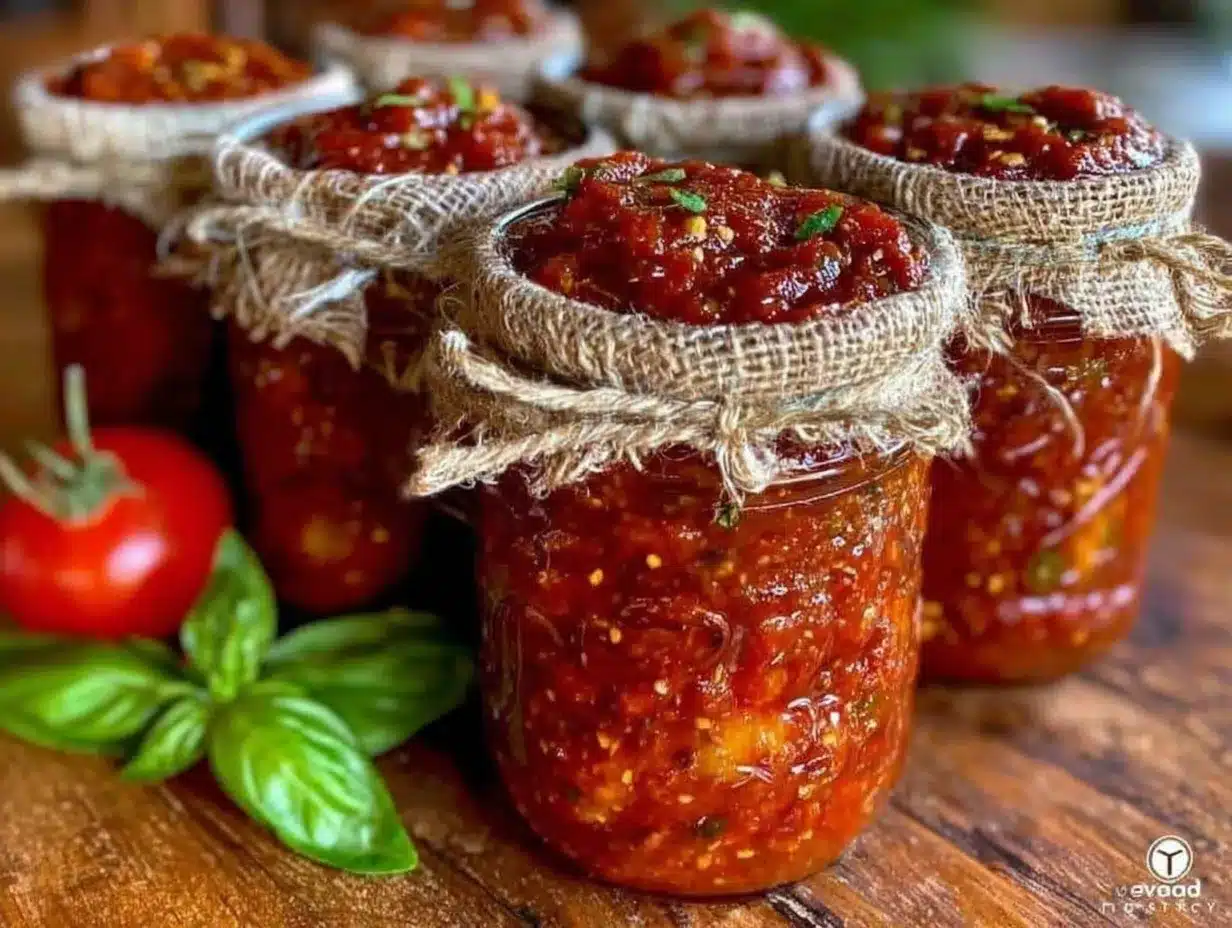
Making this sauce is straightforward, but a few key steps make all the difference. Here’s how I do it:
- Prep the tomatoes: Wash your tomatoes and remove the cores. You don’t need to peel them or remove the seeds—that’s the beauty of this method. Just cut out the tough green stem area and any bruised spots. If you’re using larger tomatoes, cut them into rough chunks so they cook down faster. Cherry tomatoes can go in whole.
- Start the garlic oil: Place your pot over medium heat and add the olive oil. Once the oil shimmers (but isn’t smoking—about 30 seconds), add the smashed garlic cloves and the red pepper flakes if using. Cook for 1 to 2 minutes, stirring occasionally, until the garlic is fragrant and just starting to turn golden at the edges. Don’t let it brown too much, or it will turn bitter. The goal is to infuse the oil with that sweet, nutty garlic flavor.
- Add the tomatoes: Carefully add all the tomatoes to the pot. They’ll sizzle and sputter a bit—that’s normal. Stir everything together, scraping up any bits from the bottom of the pot. Add the salt and stir again. Bring the mixture to a gentle boil, then reduce the heat to low so it’s at a steady simmer.
- Simmer and break down: Let the sauce simmer uncovered for 25 to 30 minutes, stirring every 5 minutes or so. As the tomatoes cook, they’ll release their juices and start to break down. Use your wooden spoon to gently crush the larger pieces against the side of the pot. You’ll notice the sauce thickening and the color deepening to a rich, rusty red. The kitchen will smell incredible at this point—like summer in a pot.
- Check for doneness: After 25 minutes, the tomatoes should be completely soft and falling apart. The sauce should have reduced slightly but still look saucy, not pasty. If it looks too watery, let it simmer another 5 to 10 minutes. If it looks too thick, add a splash of water or pasta cooking water later when you combine them.
- Blend the sauce: Remove the pot from the heat. If using an immersion blender, blend the sauce right in the pot until it reaches your desired consistency. I like mine mostly smooth with a few tiny tomato seed flecks—it feels more rustic that way. If using a regular blender, let the sauce cool for 5 minutes, then carefully transfer it in batches. Fill the blender no more than halfway, hold the lid down with a kitchen towel, and blend until smooth.
- Finish with basil and adjust seasoning: Return the blended sauce to the pot (if you used a regular blender) and place it over low heat. Stir in the torn basil leaves and let them wilt into the sauce for about 1 minute. Taste the sauce and adjust the salt and pepper as needed. Remember, the flavors will continue to develop as the sauce sits, so don’t overseason.
- Serve or store: Your sauce is ready to use immediately. Toss it with freshly cooked pasta, spread it on pizza dough, or use it as a dipping sauce for crusty bread. The sauce will keep in the fridge for up to a week, or freeze for up to 3 months.
A note on timing: The total active time here is about 15 minutes—the rest is just simmering. So while the sauce bubbles away, you can boil water, chop vegetables for a side salad, or pour yourself a glass of wine. Multitasking is totally encouraged.
Cooking Tips & Techniques
After making this sauce more times than I can count, I’ve collected a few tricks that make the process smoother and the results more consistent. Here’s what I’ve learned:
Don’t skip the garlic infusion step. I know it’s tempting to just throw everything in the pot at once and walk away, but taking those extra two minutes to cook the garlic in oil first makes a huge difference. The garlic flavor becomes sweet and mellow rather than harsh and raw. I once got distracted and let the garlic burn—just slightly, but that bitter taste lingered in the whole batch. Learn from my mistake and keep an eye on it.
Use the right pot size. A pot that’s too small will cause the sauce to splatter everywhere as it simmers. A pot that’s too large means the sauce spreads out too thin and evaporates too quickly, leaving you with a thick paste instead of a sauce. A 4- to 6-quart pot is perfect for this small batch.
Taste as you go. This is the most important rule of cooking, honestly. Salt levels vary depending on your tomatoes and your personal preference. I start with 1 teaspoon of salt and often add another 1/4 teaspoon at the end. But if you’re using salted butter to finish your pasta, you might want less salt in the sauce. Trust your taste buds.
Save your pasta water. When you’re ready to serve, reserve about 1/2 cup of the starchy pasta cooking water before draining. Stirring a splash of that water into the sauce helps it cling to the pasta and gives it a silky, restaurant-quality texture. It’s a small step that makes a big difference.
Let the sauce rest. If you have time, let the finished sauce sit for 10 to 15 minutes before serving. This allows the flavors to meld and the sauce to thicken slightly. It’s even better the next day—the garlic and basil really come through after an overnight rest in the fridge.
Variations & Adaptations
This recipe is a fantastic base for experimentation. Here are some variations I’ve tried and loved:
- Herb Garden Variation: Swap the basil for a mix of fresh oregano, thyme, and rosemary. This gives the sauce a more Mediterranean, almost pizza-like flavor. I made this version last summer when my basil plant died (RIP, little buddy), and it was a happy accident. Use about 2 teaspoons of chopped fresh herbs total.
- Roasted Tomato Version: For a deeper, sweeter flavor, roast the tomatoes at 400°F (200°C) for 25 minutes before adding them to the pot. Toss them with a tablespoon of olive oil and a pinch of salt, spread them on a baking sheet, and roast until they’re blistered and caramelized. Then proceed with the recipe as written. This is my go-to in the winter when fresh tomatoes aren’t at their peak—the roasting concentrates their flavor beautifully.
- Spicy Arrabbiata Style: Double the red pepper flakes and add a finely chopped fresh chili (like a serrano or Thai bird chili) along with the garlic. This version is fantastic with penne and a sprinkle of pecorino cheese. It’s not for the faint of heart, but if you love heat, this is your sauce.
- Creamy Tomato Sauce: After blending, stir in 1/4 cup (60ml) of heavy cream or full-fat coconut milk. This transforms the sauce into a rich, velvety pink sauce that’s perfect for fettuccine or as a base for chicken Parmesan. It’s indulgent but so worth it.
- Vegan and Gluten-Free: This recipe is naturally vegan and gluten-free as written. Just serve it over gluten-free pasta or zucchini noodles, and you’re good to go. No substitutions needed.
Serving & Storage Suggestions
This sauce is incredibly versatile. Here’s how I like to serve and store it:
Serving: Toss the sauce with 12 ounces (340g) of cooked pasta—spaghetti, penne, or rigatoni all work beautifully. Reserve about 1/2 cup of pasta water before draining, then add the sauce and a splash of water to the pasta. Toss over low heat until the sauce coats each strand evenly. Serve immediately with extra torn basil, a drizzle of olive oil, and a generous grating of Parmesan cheese. It’s also fantastic on homemade pizza, as a dipping sauce for garlic bread, or spooned over grilled chicken or fish.
Storage: Let the sauce cool completely, then transfer it to an airtight container. It will keep in the refrigerator for up to 1 week. The flavors actually deepen and improve after a day or two, so don’t be afraid to make it ahead of time.
Freezing: This sauce freezes beautifully. Portion it into freezer-safe containers or zip-top bags (lay them flat for easy stacking). It will keep for up to 3 months. Thaw overnight in the refrigerator, then reheat gently on the stovetop or in the microwave. I like to freeze it in 1-cup portions so I can pull out just what I need for a quick weeknight dinner.
Reheating: Reheat the sauce in a small saucepan over low heat, stirring occasionally. If it seems too thick after freezing, add a splash of water or pasta cooking water to loosen it up. Avoid boiling the sauce vigorously, as this can cause the flavors to dull and the texture to become watery.
Nutritional Information & Benefits
Here’s the estimated nutritional breakdown for one serving (about 1/2 cup of sauce, without pasta):
- Calories: 120
- Fat: 10g
- Carbohydrates: 8g
- Fiber: 2g
- Sugar: 5g
- Protein: 2g
- Sodium: 480mg
This sauce is packed with health benefits. Tomatoes are rich in lycopene, a powerful antioxidant that’s been linked to heart health and reduced inflammation. Cooking the tomatoes actually increases the bioavailability of lycopene, so your body can absorb it more easily. The olive oil provides healthy monounsaturated fats, which support brain function and help you absorb the fat-soluble vitamins in the tomatoes. Garlic is known for its immune-boosting properties, and fresh basil adds a dose of vitamin K and anti-inflammatory compounds.
This recipe is naturally gluten-free, dairy-free, and vegan, making it suitable for a wide range of dietary needs. If you’re watching your sodium intake, you can reduce the salt to 1/2 teaspoon and add more herbs for flavor.
Conclusion
This small batch homemade garden tomato sauce has become a staple in my kitchen for good reason. It’s proof that you don’t need a complicated recipe or a pantry full of specialty ingredients to make something truly delicious. Just good tomatoes, a little patience, and the willingness to try something new. Every time I make it, I think of Rosa at the farmer’s market and how she trusted me with her grandmother’s method. And every time I take that first bite, I’m reminded that the best recipes are often the simplest ones.
I’d love to hear how this sauce turns out for you. Did you try any of the variations? Did you discover a new favorite way to use it? Drop a comment below and let me know—your stories and adaptations are what make this community so special. And if you’re looking for another way to use up your garden tomatoes, you might enjoy this easy oven roasted tomatoes recipe—it’s just as simple and perfect for topping salads or bruschetta.
Happy cooking, and remember: the best meals are made with love, not stress. You’ve got this!
Frequently Asked Questions
Can I use canned tomatoes instead of fresh?
Absolutely! If fresh garden tomatoes aren’t in season, use one 28-ounce (794g) can of whole peeled San Marzano tomatoes. Drain about half the liquid before adding them to the pot. The rest of the recipe stays the same. Canned tomatoes are actually picked at peak ripeness, so they can be just as flavorful as fresh ones.
Why is my sauce watery?
This usually happens if your tomatoes are very juicy or if you didn’t simmer the sauce long enough. The fix is simple: just let the sauce simmer uncovered for an additional 10 to 15 minutes until it reaches your desired thickness. Stir occasionally to prevent sticking. Also, avoid adding water unless absolutely necessary—the tomatoes release plenty of liquid on their own.
Can I double this recipe?
Yes, this recipe doubles or even triples easily. Just make sure you have a pot large enough to accommodate the extra volume—an 8-quart pot works well for a double batch. The cooking time may need to increase by 5 to 10 minutes since there’s more liquid to reduce. Taste and adjust seasoning accordingly.
Do I need to peel the tomatoes?
Not with this method! Blending the sauce at the end takes care of the skins, incorporating them smoothly into the sauce. The skins add fiber and a slight depth of flavor. If you prefer a completely skinless sauce, you can blanch the tomatoes in boiling water for 30 seconds, then shock them in ice water—the skins will slip right off. But honestly, I never bother.
How can I make this sauce less acidic?
If your tomatoes are particularly acidic (which can happen with some varieties), try adding a pinch of baking soda—about 1/8 teaspoon—while the sauce simmers. It will fizz a bit, then neutralize some of the acid. Alternatively, a teaspoon of sugar or a splash of balsamic vinegar can balance the acidity without making the sauce taste sweet. I usually find that good ripe tomatoes don’t need any help, but it’s good to have options.
Pin This Recipe!
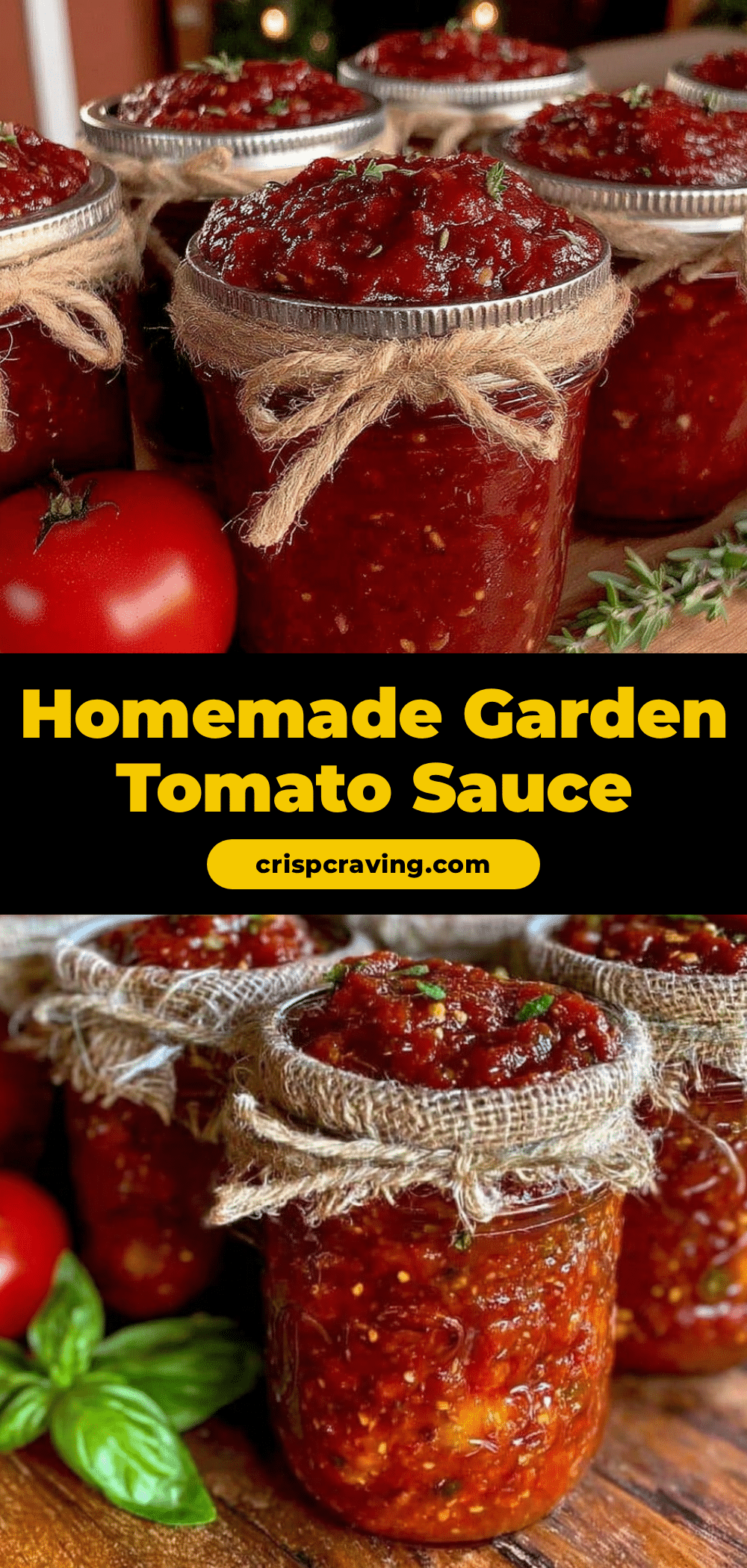
Easy Small Batch Homemade Garden Tomato Sauce
This small batch homemade garden tomato sauce is quick, easy, and made with just five main ingredients. It’s perfect for a weeknight dinner and tastes far better than anything from a jar.
- Prep Time: 15 minutes
- Cook Time: 30 minutes
- Total Time: 45 minutes
- Yield: 4 servings 1x
- Category: Main Course
- Cuisine: Italian
Ingredients
- 2 pounds (about 900g) ripe garden tomatoes (Roma or San Marzano preferred)
- 3 tablespoons (45ml) extra-virgin olive oil
- 4 to 5 cloves garlic, smashed
- 1 teaspoon (5g) kosher salt, plus more to taste
- 1/4 teaspoon (0.5g) red pepper flakes (optional)
- 6 to 8 fresh basil leaves, torn
- Freshly ground black pepper, to taste
Instructions
- Wash the tomatoes and remove the cores. Cut larger tomatoes into rough chunks; cherry tomatoes can go in whole.
- Place a large heavy-bottomed pot or Dutch oven over medium heat and add the olive oil. Once the oil shimmers, add the smashed garlic cloves and red pepper flakes (if using). Cook for 1 to 2 minutes until fragrant and just starting to turn golden.
- Add all the tomatoes to the pot. Stir, scraping up any bits from the bottom. Add the salt and stir again. Bring to a gentle boil, then reduce heat to low and simmer.
- Simmer uncovered for 25 to 30 minutes, stirring every 5 minutes. Use a wooden spoon to crush larger tomato pieces against the side of the pot.
- After 25 minutes, check the sauce: tomatoes should be soft and falling apart, and the sauce should be slightly reduced. If too watery, simmer 5 to 10 more minutes; if too thick, add a splash of water.
- Remove the pot from heat. Use an immersion blender to blend the sauce to your desired consistency. Alternatively, let cool slightly and blend in batches in a regular blender.
- Return the blended sauce to low heat. Stir in the torn basil leaves and let wilt for about 1 minute. Taste and adjust salt and pepper as needed.
- Serve immediately with pasta, or let cool and store in the refrigerator for up to 1 week or freeze for up to 3 months.
Notes
Don’t skip the garlic infusion step—it sweetens the garlic. Use the right pot size (4-6 quarts). Taste as you go and adjust salt. Save pasta water to help sauce cling to pasta. Let the sauce rest for 10-15 minutes before serving for best flavor.
Nutrition
- Serving Size: 1/2 cup
- Calories: 120
- Sugar: 5
- Sodium: 480
- Fat: 10
- Saturated Fat: 1.5
- Carbohydrates: 8
- Fiber: 2
- Protein: 2
Keywords: homemade tomato sauce, small batch, garden tomatoes, easy pasta sauce, fresh tomato sauce