Love this? Save it for later!
Share the inspiration with your friends
Introduction
The other day, I was waiting in line at the grocery store when the sharp aroma of soy sauce and garlic drifted over from the nearby deli counter — and suddenly I was nine years old, standing in my Aunt Mei’s tiny kitchen in Oakland. She was stirring a sizzling, dark caramel-colored sauce in her battered wok, steam curling up like a soft mist against the cracked windowpane. The clatter of spatulas and the rhythmic chop-chop-chop of green onions echoed around me. I remember watching her with wide eyes, trying to catch every flick of the wrist and every splash of sauce, hoping to steal just a tiny bit of that magic. Aunt Mei’s Mongolian beef wasn’t just food; it was a moment, a flavor that held the chaotic comfort of her kitchen and the warmth of a Sunday afternoon that stretched forever.
Fast forward decades later, and I’m still chasing that exact feeling. The thing is, recreating that flavor isn’t about copying a recipe word for word — it’s about capturing the balance of sweet, savory, and tender that makes Mongolian beef so addictive. Honestly, it took a few kitchen disasters (and one slightly burnt batch) to get it right, but I finally landed on a version that’s better than takeout — the kind that makes you pause, close your eyes, and just savor.
Maybe you’ve been there — craving that perfect takeout dish but knowing deep down it could be better homemade. This Mongolian beef recipe is my answer to that craving, a way to bring that old kitchen memory to life whenever I want, using ingredients you can find at your local market. And yes, it’s way easier than you might think, even if you don’t have a wok or Aunt Mei’s lightning-fast chop skills. Let me tell you, once you taste this, you’ll understand why I keep coming back to it.
Why You’ll Love This Recipe
This flavorful Mongolian beef recipe has been through the ringer in my kitchen, tested over and over until it hit that sweet spot of tender meat, glossy sauce, and just the right kick. Here’s why it stands out and why I’m confident you’ll love it too:
- Quick & Easy: Ready in under 30 minutes, making it perfect for busy weeknights or when takeout just won’t cut it.
- Simple Ingredients: No need for exotic sauces or hard-to-find spices — most are pantry staples or easy to track down.
- Perfect for Dinner Parties: Impress guests without breaking a sweat; it looks restaurant-quality but feels homemade.
- Crowd-Pleaser: Kids and adults both love the rich, sweet-savory flavor combo — you might have to double the batch!
- Unbelievably Delicious: The sauce strikes a perfect balance between sticky sweetness and savory depth, clinging to tender strips of beef.
What makes this recipe different? It’s all about the technique — a quick marinade that tenderizes the beef just right, and a sauce that’s thickened naturally without too much fuss. I swap in fresh ginger and garlic for that authentic punch, and I don’t skimp on the green onions for that subtle crunch and brightness. Honestly, it’s comfort food without the guilt or mystery ingredients.
This isn’t just a recipe — it’s my way of keeping that kitchen memory alive, turning a simple dinner into a small celebration of flavors and moments. You know that feeling when a dish just hits every note? That’s what I’m aiming for here.
What Ingredients You Will Need
This recipe uses straightforward, wholesome ingredients to bring bold, satisfying flavor and texture without any fuss. Most of these are pantry staples, and a few fresh items add that signature punch.
- For the Beef Marinade:
- 1 lb (450 g) flank steak, thinly sliced against the grain (for tender bites)
- 2 tablespoons cornstarch (helps create a light crust and thickens sauce)
- 1 tablespoon soy sauce (I recommend Kikkoman for consistent flavor)
- 1/2 teaspoon baking soda (optional but helps tenderize the beef)
- For the Sauce:
- 1/2 cup (120 ml) low-sodium soy sauce
- 1/3 cup (65 g) dark brown sugar (packed)
- 1/2 cup (120 ml) water
- 2 teaspoons fresh ginger, grated (adds warmth and brightness)
- 3 cloves garlic, minced (the soul of the sauce)
- 1 tablespoon hoisin sauce (optional, but adds depth)
- 1 teaspoon toasted sesame oil (for that subtle nuttiness)
- For Garnish & Serving:
- 4-5 green onions, sliced diagonally (fresh crunch and color)
- Sesame seeds (optional, for garnish)
- Steamed jasmine rice or noodles (to serve)
Substitutions & Tips: You can swap flank steak for sirloin or skirt steak if you prefer. If you’re gluten-free, use tamari instead of soy sauce. For a low-sugar option, try coconut sugar or a sugar substitute, but the dark brown sugar gives the best caramelization. And if you’re in a pinch without fresh ginger, a 1/2 teaspoon of ground ginger works, though fresh is best.
Equipment Needed
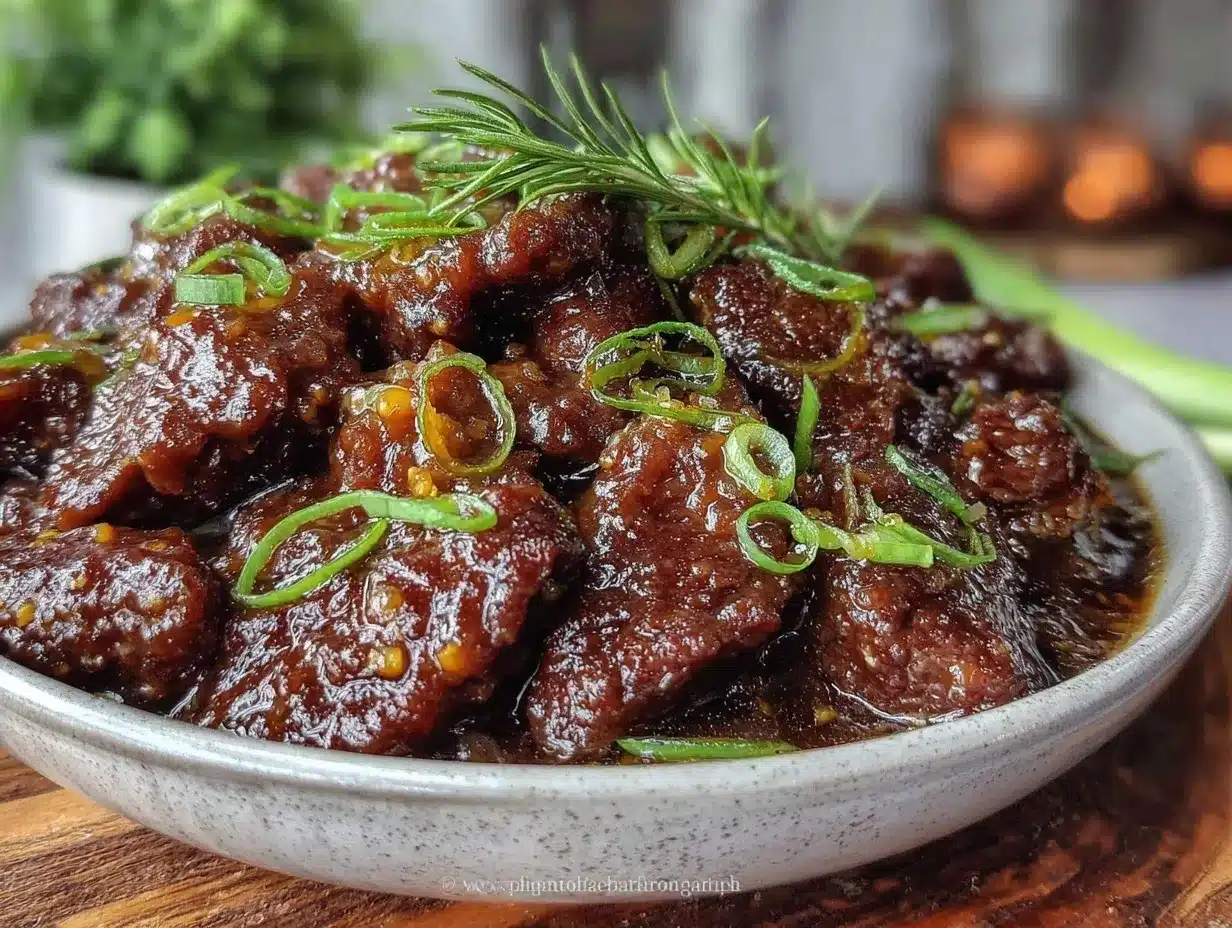
- Large non-stick skillet or wok (wok preferred for authentic stir-fry texture, but a heavy skillet works well too)
- Sharp knife and cutting board (for thinly slicing the beef quickly and safely)
- Mixing bowls (for marinating and sauce mixing)
- Measuring cups and spoons (precision matters here!)
- Spatula or wooden spoon (for stirring and scraping up the sauce)
If you don’t have a wok, no worries — I’ve made this a million times in a cast iron skillet. Just make sure it’s hot enough before adding the beef to get that nice sear. For budget-friendly options, a good non-stick frying pan is fine, just keep the heat medium-high and don’t overcrowd the pan.
Pro tip: Season your skillet well and avoid overcrowding to prevent steaming the beef instead of searing it. Also, keep your garlic and ginger minced finely — it burns easily, so add it at the right moment.
Preparation Method
- Slice and Marinate the Beef (10 minutes): Thinly slice the flank steak against the grain into strips about 1/4-inch (6 mm) thick. In a bowl, toss the beef with 2 tablespoons cornstarch, 1 tablespoon soy sauce, and 1/2 teaspoon baking soda (if using). Mix well and let it rest for 10 minutes. This tenderizes the beef and gives it a nice coating for searing.
- Prepare the Sauce (5 minutes): In a separate bowl, whisk together 1/2 cup soy sauce, 1/3 cup dark brown sugar, 1/2 cup water, grated ginger, minced garlic, hoisin sauce (if using), and sesame oil. Set aside. The sauce should be glossy and beautifully balanced between sweet and salty.
- Cook the Beef (8-10 minutes): Heat your wok or skillet over medium-high heat until very hot. Add 1-2 tablespoons vegetable oil (something neutral like canola). Add the beef in batches to avoid overcrowding. Cook until browned and slightly crispy on the edges — about 2-3 minutes per batch. Remove and set aside. Don’t worry if some bits stick; that’s flavor gold.
- Sauté Aromatics and Combine (3-5 minutes): Lower the heat slightly and add a little more oil if needed. Add the remaining garlic and ginger to the pan, stirring quickly to prevent burning — you want that fragrant aroma, not bitterness. Pour in the prepared sauce and bring it to a simmer. Let it cook for a couple of minutes until it thickens slightly and becomes glossy.
- Return Beef to the Pan (2 minutes): Add the cooked beef back into the sauce. Toss everything together over medium heat until the beef is fully coated and heated through. The sauce should cling to each strip, sticky and luscious.
- Finish with Green Onions and Serve: Stir in most of the sliced green onions, reserving a few for garnish. Remove from heat. Serve immediately over jasmine rice or noodles, sprinkled with sesame seeds if you like.
Pro Tip: If your sauce feels too thin, mix 1 teaspoon cornstarch with 1 tablespoon cold water and stir into the simmering sauce to thicken it further. Also, keep a close eye on the garlic and ginger during cooking — burnt bits can ruin the dish.
Cooking Tips & Techniques
Here are some nuggets I’ve picked up over the years to make sure your Mongolian beef turns out just right every time:
- Slice Thin and Against the Grain: This makes the beef tender and easy to chew. I learned this the hard way after a batch came out tough and chewy.
- Don’t Skip the Baking Soda: This little trick breaks down proteins and helps tenderize the meat faster than marinating for hours.
- High Heat is Your Friend: A screaming hot pan sears the beef quickly, locking in juices and creating a delicious crust.
- Cook in Batches: Crowding the pan lowers the temperature and steams the meat instead of searing it, resulting in soggy beef.
- Timing Garlic and Ginger: Add these aromatics after removing the beef so they don’t burn. Burnt garlic tastes bitter and can spoil the whole dish.
- Adjust Sweetness and Saltiness: Taste the sauce as it simmers. Depending on your soy sauce or sugar brand, you might want to tweak the balance a bit.
I remember one time rushing the searing step and ending up with chewy beef that no one wanted to eat. Patience is key, but the payoff is worth it. Also, multitasking by prepping sauce and slicing while the beef marinates saves loads of time.
Variations & Adaptations
To keep things interesting or suit your dietary needs, here are some ways you can twist this flavorful Mongolian beef recipe:
- Vegetarian Version: Swap beef with extra-firm tofu or seitan. Press and dry the tofu well before marinating and cooking. The sauce works beautifully on these plant-based proteins.
- Spicy Kick: Add 1-2 teaspoons of chili garlic sauce or fresh sliced chili peppers to the sauce for a fiery version that wakes up your taste buds.
- Gluten-Free Swap: Use tamari or coconut aminos instead of soy sauce, and check your hoisin sauce labels or omit it altogether.
- Seasonal Veggie Add-In: Toss in thinly sliced bell peppers, snap peas, or broccoli florets during the sauce simmer step for extra crunch and color.
- Personal Favorite: I sometimes sprinkle crushed toasted peanuts on top for unexpected texture and a nutty contrast — it’s a game-changer.
Serving & Storage Suggestions
Serve this Mongolian beef piping hot over steamed jasmine rice, or for a lighter option, over cauliflower rice. The sauce clings to every grain, making each bite a little celebration. Garnish with fresh green onions and a sprinkle of sesame seeds for that final touch.
For a simple side, stir-fried bok choy or steamed broccoli pairs perfectly, balancing the richness of the beef. If you want a drink pairing, a chilled jasmine tea or a light lager works wonders.
Leftovers store well in an airtight container in the fridge for up to 3 days. When reheating, add a splash of water or broth to loosen the sauce and warm gently over medium heat — microwave works too, but watch for drying out. Flavors actually deepen after a day, so leftovers can be even better!
Nutritional Information & Benefits
This Mongolian beef recipe offers a good balance of protein and carbs, making it satisfying without being overly heavy. The flank steak provides lean protein, while the ginger and garlic bring antioxidants and anti-inflammatory benefits. Using low-sodium soy sauce helps keep salt levels moderate.
If you swap rice for cauliflower rice or serve with extra veggies, this can easily fit into low-carb or gluten-free diets. Just watch the sugar amount if you’re managing blood sugar — you can reduce it slightly without losing the signature flavor.
Overall, it’s a tasty way to enjoy a comforting dish with mindful ingredients that fuel your body and soul.
Conclusion
Flavorful Mongolian beef better than takeout? It really exists, and now you have the recipe. What I love most about this dish is how it brings together simple ingredients to create something that feels special and satisfying every time. It’s a recipe that’s forgiving, adaptable, and honestly, pretty fun to make once you get the hang of it.
Don’t be afraid to tweak the sauce or add your own favorite veggies — cooking should feel personal and creative. If you give this recipe a try, I’d love to hear your twists or tips. Share your experience and keep the memory of that perfect Mongolian beef alive in your own kitchen.
Here’s to good food that tastes like home, no matter where that home is.
FAQs
What cut of beef is best for Mongolian beef?
Flank steak is ideal because it’s lean and tender when sliced thinly against the grain. You can also use sirloin or skirt steak as alternatives.
Can I make this recipe gluten-free?
Yes! Use tamari or coconut aminos instead of soy sauce and check your hoisin sauce or omit it to keep it gluten-free.
How do I prevent the beef from becoming tough?
Slicing thinly against the grain and marinating with baking soda helps tenderize the meat. Also, cook it quickly on high heat without overcrowding the pan.
Can I prepare this dish ahead of time?
You can marinate the beef a few hours ahead and keep the sauce ready. Cook it fresh for the best texture, but leftovers reheat well.
What can I serve with Mongolian beef?
Steamed jasmine rice, noodles, or cauliflower rice work great. For veggies, try bok choy, broccoli, or snap peas for a balanced meal.
Pin This Recipe!
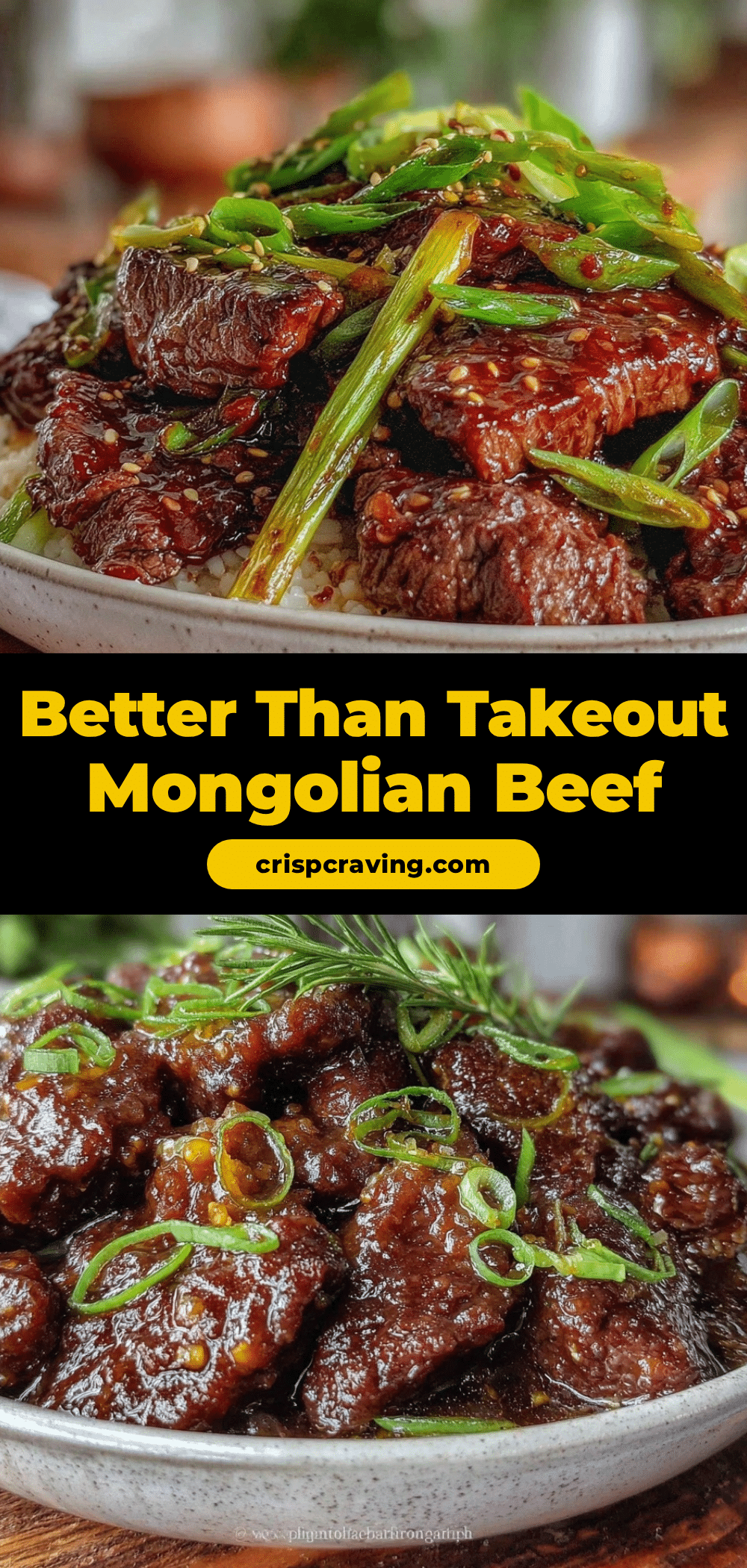
Flavorful Mongolian Beef Recipe Easy Better Than Takeout Dinner
This flavorful Mongolian beef recipe delivers tender meat coated in a glossy, sweet-savory sauce. Ready in under 30 minutes, it’s perfect for busy weeknights and tastes better than takeout.
- Prep Time: 15 minutes
- Cook Time: 15 minutes
- Total Time: 30 minutes
- Yield: 4 servings 1x
- Category: Main Course
- Cuisine: Chinese
Ingredients
- 1 lb (450 g) flank steak, thinly sliced against the grain
- 2 tablespoons cornstarch
- 1 tablespoon soy sauce
- 1/2 teaspoon baking soda (optional)
- 1/2 cup (120 ml) low-sodium soy sauce
- 1/3 cup (65 g) dark brown sugar (packed)
- 1/2 cup (120 ml) water
- 2 teaspoons fresh ginger, grated
- 3 cloves garlic, minced
- 1 tablespoon hoisin sauce (optional)
- 1 teaspoon toasted sesame oil
- 4–5 green onions, sliced diagonally
- Sesame seeds (optional)
- Steamed jasmine rice or noodles (to serve)
Instructions
- Thinly slice the flank steak against the grain into 1/4-inch (6 mm) strips.
- In a bowl, toss the beef with 2 tablespoons cornstarch, 1 tablespoon soy sauce, and 1/2 teaspoon baking soda (if using). Mix well and let rest for 10 minutes.
- In a separate bowl, whisk together 1/2 cup soy sauce, 1/3 cup dark brown sugar, 1/2 cup water, grated ginger, minced garlic, hoisin sauce (if using), and sesame oil. Set aside.
- Heat wok or large skillet over medium-high heat until very hot. Add 1-2 tablespoons vegetable oil.
- Add beef in batches to avoid overcrowding. Cook 2-3 minutes per batch until browned and slightly crispy. Remove and set aside.
- Lower heat slightly, add more oil if needed. Add remaining garlic and ginger, stir quickly to prevent burning.
- Pour in prepared sauce and bring to a simmer. Cook for 2-3 minutes until sauce thickens and becomes glossy.
- Return beef to pan and toss to coat evenly. Heat through for about 2 minutes.
- Stir in most of the sliced green onions, reserving some for garnish. Remove from heat.
- Serve immediately over steamed jasmine rice or noodles, sprinkled with sesame seeds if desired.
Notes
If sauce is too thin, mix 1 teaspoon cornstarch with 1 tablespoon cold water and stir into simmering sauce to thicken. Avoid burning garlic and ginger by adding them after removing beef. Cook beef in batches to prevent steaming and ensure a good sear.
Nutrition
- Serving Size: 1 serving (about 1/4
- Calories: 380
- Sugar: 25
- Sodium: 700
- Fat: 10
- Saturated Fat: 2
- Carbohydrates: 35
- Fiber: 1
- Protein: 30
Keywords: Mongolian beef, easy dinner, quick recipe, beef stir-fry, homemade takeout, Asian cuisine, sweet and savory sauce