Love this? Save it for later!
Share the inspiration with your friends
My sister asked why I couldn’t just roast the tomatoes whole, stems and all, instead of halving them. I started to explain why that wouldn’t work — then stopped. She had a point I couldn’t argue with. I mean, I’d been halving cherry tomatoes for years, convinced it was the only way to get that concentrated, jammy sweetness. But watching her dump a whole pint of Sungolds into a baking dish, stems still attached, I felt my inner control freak twitch. Honestly, I almost intervened.
But you know what? I kept my mouth shut. And two hours later, I was eating the best slow-roasted cherry tomato sauce I’d ever made. The stems had slipped right off after roasting, leaving behind these little pockets of intense, caramelized flavor that halving just doesn’t achieve. Let me tell you, it was a humbling moment. Here I was, the one who writes recipes for a living, and my sister — who once set a kitchen towel on fire — had just taught me a better way to do something I’d been doing for years.
That’s the thing about this recipe. It’s not complicated. It’s not fussy. It’s just a handful of good ingredients, a low oven, and a little bit of patience. The result is a sauce so rich and versatile you’ll want to put it on everything. Maybe you’ve been there — stuck in your ways in the kitchen, convinced your method is the only method. I get it. But this slow-roasted cherry tomato sauce with fresh basil is the kind of recipe that makes you question everything you thought you knew about simplicity. And I keep making it because it reminds me that sometimes the best lessons come from the least expected teachers.
Why You’ll Love This Recipe
This isn’t just another tomato sauce recipe. It’s a game-changer for anyone who’s ever been disappointed by watery, bland sauces from a jar. The slow-roasting process does all the heavy lifting, transforming ordinary cherry tomatoes into something extraordinary without you having to stand over a hot stove.
- Incredibly Easy: The oven does all the work. You just toss, roast, and blend. It’s that simple.
- Minimal Ingredients: You only need 6 main ingredients, most of which you probably already have in your pantry. No fancy trips to specialty stores required.
- Perfect for Meal Prep: Make a big batch on Sunday and use it all week long. It gets better as it sits.
- Freezer-Friendly: This sauce freezes beautifully, so you can have summer’s best flavor all year round.
- Unbelievably Versatile: Use it on pasta, pizza, as a dipping sauce, or even spread it on crusty bread. The possibilities are endless.
What makes this recipe different from the rest? It’s the roasting method. By cooking the tomatoes low and slow, you concentrate their natural sugars without burning them. You get this deep, almost smoky sweetness that you simply can’t achieve with stovetop cooking. Plus, roasting the garlic alongside the tomatoes mellows its sharp bite into something buttery and sweet. It’s a combination that creates a sauce with layers of flavor you didn’t know were possible from such simple ingredients.
This recipe isn’t just good — it’s the kind that makes you close your eyes after the first bite. It’s comfort food reimagined: healthier, faster, but with the same soul-soothing satisfaction. Perfect for impressing dinner guests without breaking a sweat, or turning a simple Tuesday night pasta into something truly memorable.
What Ingredients You Will Need
This slow-roasted cherry tomato sauce uses simple, wholesome ingredients to deliver bold flavor and satisfying texture without the fuss. Most of these are pantry staples, which makes this recipe perfect for those days when you need a quick, delicious dinner solution.
- 2 pounds cherry tomatoes (about 900g) — I prefer a mix of red and yellow varieties for color, but any type works. Look for firm, ripe tomatoes that are heavy for their size. Sungolds or Sweet 100s are my personal favorites for their intense sweetness.
- 6 cloves garlic, peeled — Leave them whole. Roasting whole cloves transforms them into sweet, spreadable gems. If you’re a garlic lover like me, feel free to add a few more.
- 1/4 cup extra-virgin olive oil (60ml) — Use a good quality one here since it’s a main flavor component. I recommend California Olive Ranch for a reliable, everyday option.
- 1 teaspoon kosher salt — Plus more to taste. Kosher salt is less intense than table salt, so adjust accordingly if using a different type.
- 1/2 teaspoon black pepper, freshly ground — Freshly ground makes a difference here. Pre-ground pepper just doesn’t have the same punch.
- 1/4 cup fresh basil leaves, packed (about 10 large leaves) — Plus extra for garnish. Add the basil after roasting to keep its bright, peppery flavor intact. Never dry basil in this recipe — it just doesn’t work the same way.
- Optional: 1 tablespoon balsamic vinegar — This adds a subtle tangy sweetness that complements the roasted tomatoes beautifully. I add it about half the time, depending on my mood.
- Optional: Pinch of red pepper flakes — For a little heat. Start with a small pinch and adjust from there.
For the best texture, I recommend using small to medium cherry tomatoes. The really tiny ones can dry out too quickly, while the larger ones might need a few extra minutes in the oven. If you’re using grape tomatoes, which are a bit firmer, you might need to add 10-15 minutes to the roasting time.
Equipment Needed
The beauty of this recipe is that it doesn’t require any fancy equipment. You probably already have everything you need in your kitchen right now.
- Baking sheet or rimmed sheet pan — A half-sheet pan (18×13 inches) works perfectly. Make sure it has a rim to catch any juices that might release during roasting. I’ve used a cheap one from the grocery store for years and it works just fine.
- Parchment paper or silicone baking mat — Not strictly necessary, but it makes cleanup a breeze. I’ve forgotten to use it before and spent 15 minutes scrubbing caramelized tomato juice off my pan. Learn from my mistake.
- Food processor or high-speed blender — A food processor gives you a chunkier sauce, while a blender creates a smoother consistency. I personally prefer the texture from a food processor. If you don’t have either, you can mash the tomatoes with a potato masher right in the baking dish.
- Large bowl — For mixing and storing the finished sauce.
- Chef’s knife and cutting board — For mincing the basil and any other prep work.
- Measuring spoons and cups — For accurate measurements, especially with the olive oil and salt.
If you don’t have a food processor or blender, don’t worry. You can absolutely make this sauce by hand. Just let the roasted tomatoes cool slightly, then transfer them to a bowl and use a potato masher or even a fork to break them down to your desired consistency. It’ll be a little chunkier, but honestly, some of my best batches have been made this way.
Preparation Method
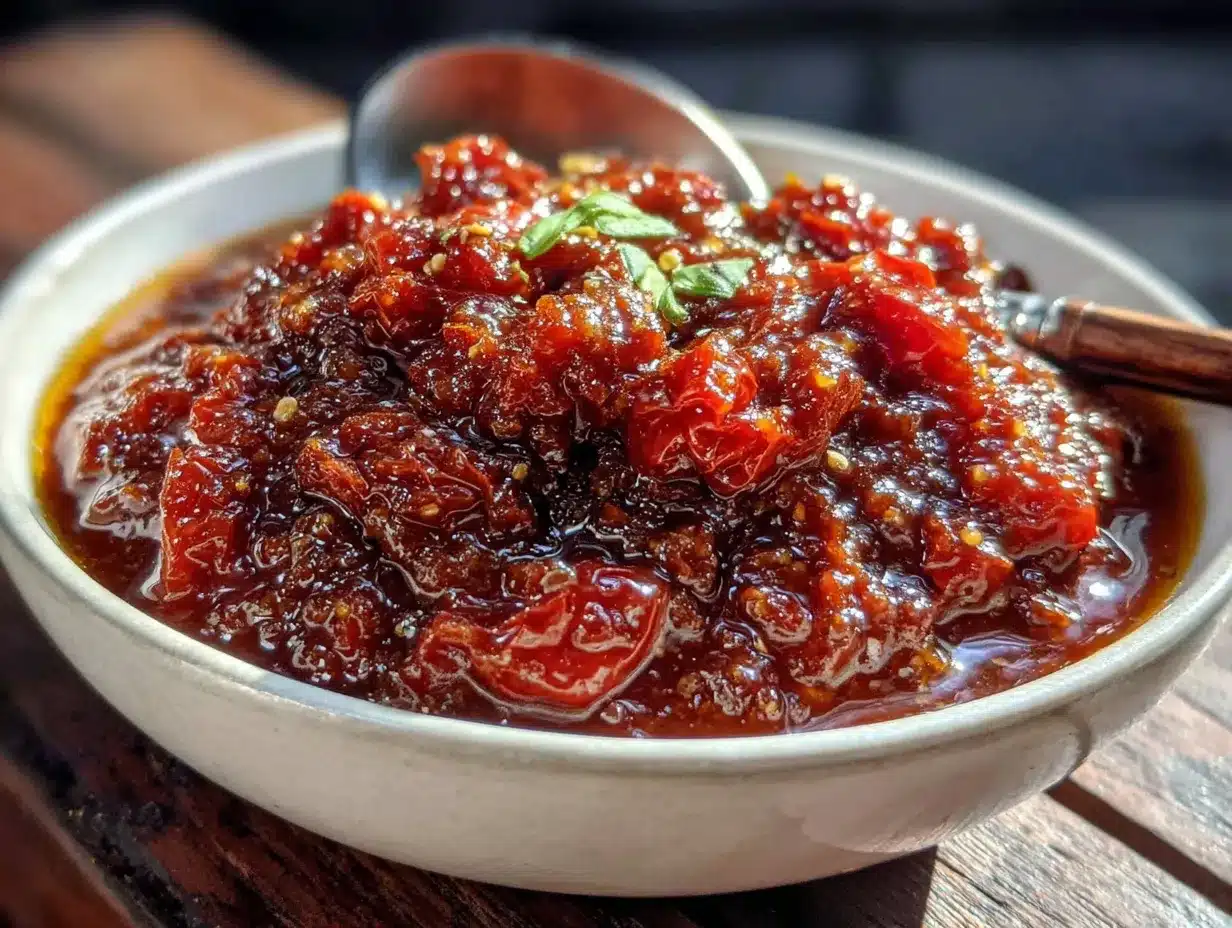
This recipe is almost embarrassingly simple. But don’t let that fool you — the results are anything but basic. Here’s how to make it.
-
Preheat your oven to 300°F (150°C). Yes, 300°F. This is the sweet spot for slow-roasting. You want the tomatoes to gently caramelize, not burn. While the oven is heating, line a large baking sheet with parchment paper or a silicone mat.
-
Prepare the tomatoes. Rinse your cherry tomatoes and pat them dry. You can leave the stems on if you want — trust me, they’ll slip right off after roasting. If you’re not ready to embrace that method yet, just pull the stems off before roasting. Either way works. Spread the tomatoes in a single layer on your prepared baking sheet.
-
Add the garlic and seasonings. Scatter the peeled garlic cloves among the tomatoes. Drizzle everything with the olive oil, then sprinkle with salt and pepper. Use your hands to toss everything together, making sure each tomato is coated in oil. Don’t skip this step — the oil helps the tomatoes caramelize evenly.
-
Roast low and slow. Place the baking sheet in the preheated oven and roast for 1 hour and 30 minutes to 2 hours. You’re looking for the tomatoes to be wrinkled, slightly caramelized on the bottom, and release some of their juices. About halfway through, give the pan a gentle shake to redistribute everything. If you’re using a mix of tomato sizes, check the smaller ones first — they might be done a little earlier.
-
Let them cool slightly. Once the tomatoes are done, remove the baking sheet from the oven and let it sit for about 5 minutes. This allows the flavors to settle and makes the tomatoes easier to handle. If you left the stems on, now is when you’ll see them slide right off with almost no effort. It’s honestly satisfying every single time.
-
Blend the sauce. Transfer the roasted tomatoes and garlic to a food processor or blender. Add the fresh basil leaves. Pulse a few times until you reach your desired consistency. I like mine with a little texture — not completely smooth, but not chunky either. If you want a thinner sauce, add a tablespoon of water or olive oil at a time until it reaches the consistency you like.
-
Taste and adjust. This is the most important step. Taste your sauce and adjust the seasoning. Does it need more salt? A pinch of red pepper flakes for heat? A splash of balsamic vinegar for brightness? This is where you make the recipe your own. I usually end up adding a little more black pepper and a tiny pinch of sugar if the tomatoes weren’t as sweet as I’d hoped.
-
Serve or store. Use the sauce immediately, or let it cool completely and transfer to an airtight container. The flavors will continue to develop as it sits, so don’t be surprised if it tastes even better the next day.
One thing I learned the hard way — don’t over-process the sauce. I once got distracted and let the food processor run for a full minute, and ended up with a sauce that was almost frothy. It still tasted good, but the texture was off. A few short pulses is all you need.
Cooking Tips & Techniques
After making this sauce more times than I can count, I’ve picked up a few tricks that make a real difference. Here are my best tips for perfect results every time.
Don’t crowd the pan. This is probably the most common mistake. If your tomatoes are piled on top of each other, they’ll steam instead of roast. You want them in a single layer with a little space between each one. If you’re doubling the recipe, use two baking sheets instead of one.
Rotate your pan halfway through. Every oven has hot spots. Rotating the baking sheet halfway through the roasting time ensures even cooking. I forgot to do this once and ended up with half the tomatoes perfectly caramelized and the other half still looking raw.
Use room temperature eggs. Wait — wrong recipe. But seriously, use room temperature tomatoes. If your tomatoes are straight from the fridge, they’ll take longer to roast. Let them sit on the counter for 20-30 minutes before you start.
Save the roasting juices. When you transfer the tomatoes to the food processor, don’t leave behind the beautiful caramelized juices on the baking sheet. Scrape every last bit into the processor. That’s where so much of the flavor is concentrated.
Toast your garlic slightly. If you want an even deeper flavor, you can separate the garlic cloves and roast them for the last 30 minutes of cooking time. This gives them a slightly nutty edge that complements the sweet tomatoes beautifully. I discovered this by accident when I was testing different roasting times, and now I do it every time.
Make extra and freeze it. This sauce freezes like a dream. I always make a double batch and freeze half in quart-sized freezer bags. Lay them flat in the freezer, and they’ll thaw in no time. It’s like having a little piece of summer tucked away for a rainy day.
One failure I’ll never forget — I tried speeding up the process by roasting at 400°F. The tomatoes blistered and charred on the outside but were still raw in the middle. The sauce had a burnt, bitter taste that no amount of basil could fix. Low and slow is non-negotiable here, folks.
Variations & Adaptations
This sauce is incredibly adaptable. Here are some of my favorite ways to change it up depending on what I’m craving or what I have on hand.
Herb Variations: While basil is classic, this sauce works beautifully with other herbs. Try fresh oregano for a more Italian flavor, or thyme for something earthier. I once made a version with fresh rosemary and it was incredible on a white pizza. Just remember to add delicate herbs after roasting and heartier herbs before.
Spicy Arrabiata Style: Add 1-2 dried red chili peppers to the baking sheet before roasting. The heat infuses into the oil and tomatoes as they cook, giving you a gentle, even spice throughout the sauce. If you want more control over the heat level, stir in red pepper flakes after blending instead.
Roasted Vegetable Addition: Toss in a diced red bell pepper or a small chopped onion with the tomatoes before roasting. Both add sweetness and complexity. I particularly love the version with roasted red pepper — it gives the sauce a slightly smoky, almost Spanish character that’s amazing with grilled vegetables.
Dairy-Free Creamy Version: After blending, stir in 1/4 cup of full-fat coconut milk or cashew cream. It creates a luscious, creamy sauce without any dairy. My lactose-intolerant friend introduced me to this variation, and honestly, I sometimes prefer it to the original.
Winter Adaptation: In colder months when fresh cherry tomatoes aren’t at their peak, use canned whole San Marzano tomatoes instead. Drain them, cut them in half, and proceed with the recipe. You might need to add a pinch of sugar to compensate for the lack of natural sweetness. It’s not quite the same as summer tomatoes, but it’s still delicious.
Oil-Free Version: For a lower-fat option, roast the tomatoes without oil. They’ll still caramelize, but the texture will be slightly different. Add a splash of vegetable broth when blending to help create a smooth consistency. I’ve tested this version several times, and while it’s not as rich, it’s still surprisingly good.
Serving & Storage Suggestions
This sauce is incredibly versatile, so don’t limit yourself to just pasta. Here are some of my favorite ways to use it.
Classic Pasta: Toss with al dente spaghetti or penne. Add a splash of pasta cooking water to help the sauce coat the noodles. Top with fresh basil and a generous grating of Parmesan cheese. It’s simple, but sometimes simple is exactly what you need.
Pizza Base: Spread a thin layer on pizza dough instead of traditional pizza sauce. The concentrated flavor holds up beautifully to toppings like fresh mozzarella, prosciutto, and arugula. This has become my go-to Friday night pizza.
Bruschetta Topping: Spoon the sauce over toasted crusty bread, then top with fresh mozzarella and a drizzle of balsamic glaze. It’s an impressive appetizer that comes together in minutes.
Dipping Sauce: Serve warm as a dip for crusty bread, roasted vegetables, or even chicken tenders. It’s especially good with garlic bread.
Storage: Store the sauce in an airtight container in the refrigerator for up to 5 days. The flavors actually improve after a day or two as they meld together. For longer storage, freeze the sauce in freezer-safe bags or containers for up to 3 months. Thaw overnight in the refrigerator before using.
Reheating: Reheat gently on the stovetop over low heat, stirring occasionally. If the sauce seems too thick, add a splash of water or olive oil to loosen it up. Avoid microwaving if possible — it can make the texture slightly grainy.
One thing I’ve noticed is that this sauce develops a deeper, almost jammy flavor after a day in the fridge. So if you can, make it a day ahead. Your future self will thank you.
Nutritional Information & Benefits
While I’m not a nutritionist, I can tell you that this sauce is packed with good-for-you ingredients. Here’s a rough estimate of what you’re getting.
Per serving (about 1/2 cup, 120ml):
- Calories: 120-140
- Fat: 9-10g (mostly from heart-healthy olive oil)
- Carbohydrates: 10-12g
- Fiber: 2-3g
- Sugar: 6-8g (natural sugars from tomatoes)
- Protein: 2-3g
- Sodium: 250-300mg (depending on salt added)
- Vitamin C: 25% of daily value
- Vitamin A: 15% of daily value
- Potassium: 10% of daily value
Cherry tomatoes are rich in lycopene, a powerful antioxidant that’s been linked to reduced risk of heart disease and certain cancers. Interestingly, cooking tomatoes actually increases the bioavailability of lycopene, so this sauce is even more beneficial than eating raw tomatoes. The olive oil helps your body absorb the lycopene more effectively, making this a perfect nutritional pairing.
This sauce is naturally gluten-free, dairy-free, vegan, and low in added sugars. The only potential allergen is the olive oil, which is generally well-tolerated. If you have a sensitivity to nightshades, obviously this recipe isn’t for you. But for everyone else, it’s a nutritious, whole-food option that feels indulgent without actually being indulgent.
Conclusion
This slow-roasted cherry tomato sauce with fresh basil is proof that the best things in life really are simple. It’s a recipe that respects its ingredients, trusts the process, and rewards you with something far greater than the sum of its parts. Whether you’re a seasoned cook or someone who’s just starting to find their way around the kitchen, this sauce is for you.
I love this recipe because it reminds me to slow down. In a world that’s always rushing, there’s something almost meditative about roasting tomatoes for two hours. It forces you to be patient, to trust that good things take time. And the payoff — that sweet, concentrated, basil-flecked sauce — is always worth the wait.
Now I want to hear from you. Have you tried slow-roasting tomatoes before? What’s your favorite way to use this sauce? Drop a comment below and let me know. And if you make this recipe, tag me in your photos — I love seeing your creations almost as much as I love making my own!
Happy cooking, friends. Here’s to simple ingredients and unforgettable meals.
Frequently Asked Questions
Can I use regular tomatoes instead of cherry tomatoes?
Yes, but you’ll need to adjust the roasting time. Larger tomatoes contain more water, so they’ll take longer to concentrate. Cut them into smaller pieces and expect to add 30-45 minutes to the roasting time. Roma or plum tomatoes work best because they’re naturally less watery.
Do I need to peel the tomatoes before roasting?
Not at all. The skins become tender during roasting and blend smoothly into the sauce. If you’re particularly sensitive to texture, you can pass the finished sauce through a food mill, but I’ve never found it necessary.
Can I make this sauce in advance?
Absolutely. In fact, I recommend it. The flavors deepen and meld together after a day in the refrigerator. Make a double batch on the weekend and use it throughout the week. It also freezes beautifully for up to three months.
Why did my sauce turn out bitter?
This usually happens if the garlic burns during roasting. Make sure your garlic cloves are buried among the tomatoes rather than sitting on top. If you’re using a particularly hot oven, check the garlic at the one-hour mark and remove it if it’s already soft and golden.
Can I use dried basil instead of fresh?
I wouldn’t recommend it. Fresh basil adds a bright, peppery flavor that dried basil simply can’t replicate. If you don’t have fresh basil, try using fresh parsley or even fresh oregano instead. Dried herbs are better added before roasting, while fresh herbs should always go in after.
Pin This Recipe!
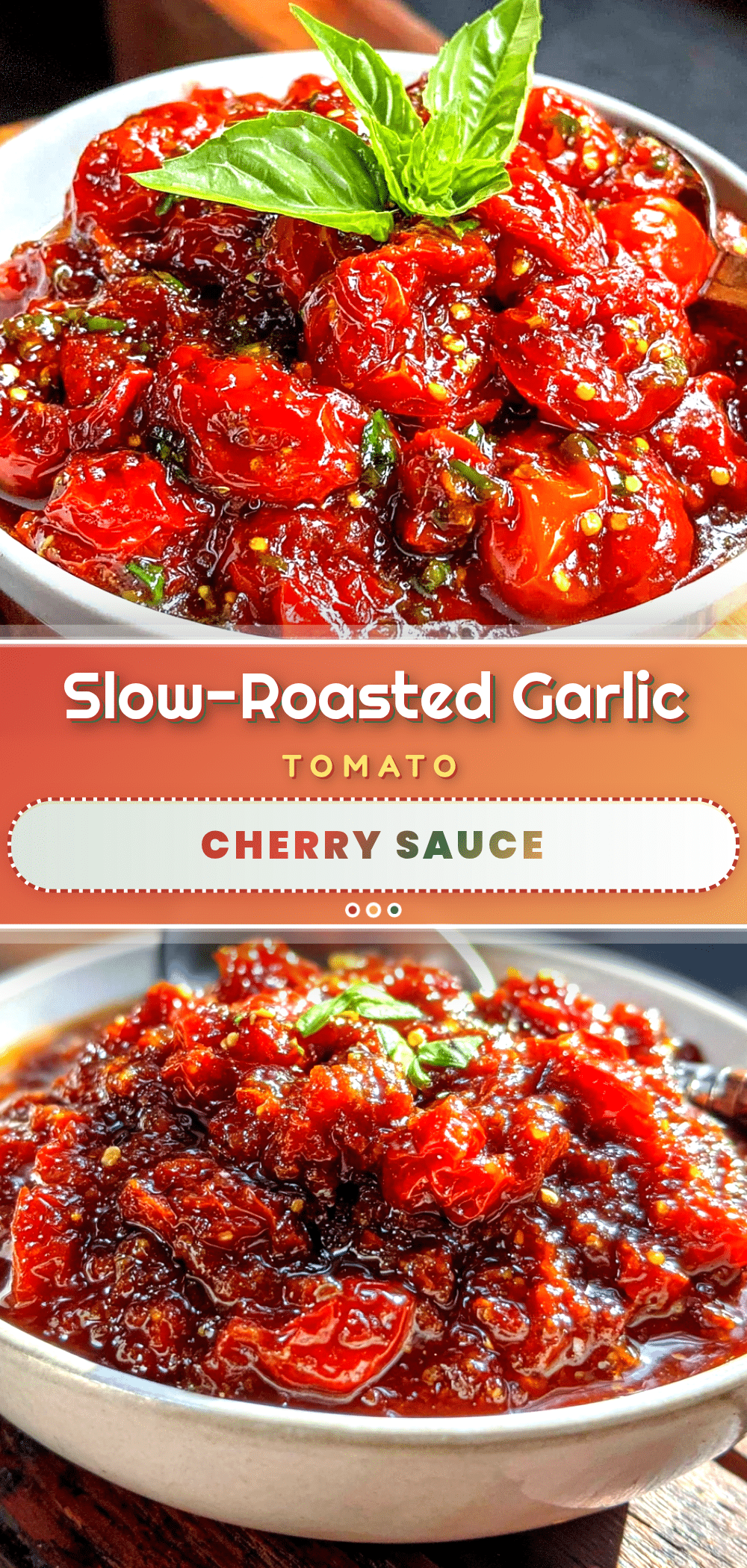
Slow-Roasted Cherry Tomato Sauce Easy Homemade Basil Recipe
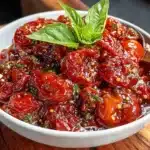
This slow-roasted cherry tomato sauce with fresh basil is a game-changer for anyone who’s ever been disappointed by watery, bland sauces from a jar. The oven does all the work, transforming ordinary cherry tomatoes into something extraordinary without you having to stand over a hot stove.
- Prep Time: 10 minutes
- Cook Time: 1 hour 30 minutes to 2 hours
- Total Time: 1 hour 40 minutes to 2 hours 10 minutes
- Yield: 4 servings 1x
- Category: Sauce
- Cuisine: Italian
Ingredients
- 2 pounds cherry tomatoes (about 900g)
- 6 cloves garlic, peeled
- 1/4 cup extra-virgin olive oil (60ml)
- 1 teaspoon kosher salt
- 1/2 teaspoon black pepper, freshly ground
- 1/4 cup fresh basil leaves, packed (about 10 large leaves)
- Optional: 1 tablespoon balsamic vinegar
- Optional: Pinch of red pepper flakes
Instructions
- Preheat your oven to 300°F (150°C). Line a large baking sheet with parchment paper or a silicone mat.
- Rinse cherry tomatoes and pat them dry. Leave stems on or remove them. Spread tomatoes in a single layer on the prepared baking sheet.
- Scatter peeled garlic cloves among the tomatoes. Drizzle with olive oil, then sprinkle with salt and pepper. Toss everything together to coat evenly.
- Roast for 1 hour 30 minutes to 2 hours, until tomatoes are wrinkled, slightly caramelized on the bottom, and have released some juices. Halfway through, gently shake the pan to redistribute.
- Remove from oven and let cool for about 5 minutes. If stems were left on, they should slide off easily.
- Transfer roasted tomatoes and garlic to a food processor or blender. Add fresh basil leaves. Pulse a few times until desired consistency is reached. For a thinner sauce, add water or olive oil a tablespoon at a time.
- Taste and adjust seasoning. Add more salt, red pepper flakes, or balsamic vinegar as desired.
- Use immediately or let cool completely and store in an airtight container.
Notes
Don’t crowd the pan; tomatoes should be in a single layer. Rotate pan halfway through roasting. Use room temperature tomatoes for even cooking. Save the roasting juices for maximum flavor. For deeper garlic flavor, separate cloves and roast for the last 30 minutes. This sauce freezes well for up to 3 months.
Nutrition
- Serving Size: 1/2 cup (120ml)
- Calories: 120140
- Sugar: 68
- Sodium: 250300
- Fat: 910
- Saturated Fat: 1.5
- Carbohydrates: 1012
- Fiber: 23
- Protein: 23
Keywords: slow-roasted cherry tomato sauce, homemade basil recipe, easy tomato sauce, roasted tomato sauce, cherry tomato sauce