Love this? Save it for later!
Share the inspiration with your friends
There used to be a tiny, flour-dusted bakery on Calle del Sol in Oaxaca that made pan de Muerto. When they closed down after thirty years, I didn’t just lose a pastry; I lost a piece of my soul. I spent two full years trying to recreate that specific, buttery, orange-kissed bread. After seven failed tries — including one disastrous batch that tasted like wet cardboard and regret — I finally got it.
You know that feeling when you’re chasing a ghost? That’s what baking was like for me. I’d close my eyes and remember the smell. It wasn’t just bread. It was the scent of marigolds and damp earth mixed with sweet citrus. The bakery owner, Doña Elena, never wrote anything down. She just hummed while she kneaded. I tried to hum too. It didn’t help.
Let’s face it, traditional recipes can feel intimidating. They seem like secrets kept by old women who don’t share their secrets. But honestly, pan de muerto is just dough. It’s yeast, flour, butter, and patience. The magic isn’t in the complexity; it’s in the ritual. And once you get the hang of it, you realize it’s not about perfection. It’s about connection.
I remember the first time I nailed it. I was alone in my kitchen in Chicago, it was raining, and I smelled that same Oaxacan morning. The crust crackled. The inside was pillowy soft. I almost cried. Maybe you’ve been there, chasing a memory through a recipe, hoping it turns out right. This is my version. It’s not Doña Elena’s, but it’s close enough to make her proud, I hope.
This recipe stays with me because it’s more than food. It’s a bridge. When I make it, I’m back on that corner, watching the sunrise paint the adobe walls gold. I keep making it because it reminds me that some things are worth the wait. Even if it takes seven tries.
Why You’ll Love This Recipe
Creating this pan de muerto recipe wasn’t just about baking; it was about understanding the rhythm of Mexican tradition. I’ve tested this dough with different flours, different yeasts, and even different amounts of butter to find that sweet spot between airy and sturdy. The result is a bread that is incredibly forgiving for beginners but still impressive enough for a holiday table.
- Quick & Easy: While it needs time to rise, the active work is minimal. You can have this in the oven while you prep for Day of the Dead altars.
- Simple Ingredients: No fancy grocery trips needed. You likely already have flour, yeast, sugar, and eggs in your kitchen. The orange blossom water is the only special item, and it’s worth the trip.
- Perfect for Día de Muertos: Great for honoring loved ones, but honestly, it’s delicious any time of year. It’s a cozy, comforting treat.
- Crowd-Pleaser: The bone-shaped decorations always get rave reviews. Kids love pulling the “bones” off, and adults love eating them.
- Unbelievably Delicious: The texture is next-level. It’s tender, slightly sweet, and infused with the bright aroma of orange blossom. It’s comfort food reimagined.
What makes this recipe different is the glaze. Most recipes skip the orange blossom glaze or just use simple sugar. This glaze adds a floral note that cuts through the richness of the butter. It’s the kind of bread that makes you close your eyes after the first bite. It’s not just a pastry; it’s an experience.
What Ingredients You Will Need
This recipe uses simple, wholesome ingredients to deliver bold flavor and satisfying texture without the fuss. The key is quality. Since there are so few ingredients, each one matters. I recommend using high-quality unsalted butter and fresh active dry yeast or instant yeast. For the orange blossom water, look for a brand that is pure and not too perfumed.
For the Dough
- All-purpose flour (4 cups / 500g) – Sifted for a lighter crumb. I prefer King Arthur for consistency.
- Active dry yeast (2 packets / 14g) – Make sure it’s fresh. Old yeast makes flat bread.
- Warm milk (1 cup / 240ml) – Lukewarm, not hot. You should be able to dip your finger in it comfortably.
- Unsalted butter (1/2 cup / 113g) – Softened to room temperature. This adds richness and tenderness.
- Sugar (1/2 cup / 100g) – Granulated white sugar. It feeds the yeast and adds subtle sweetness.
- Eggs (2 large) – Room temperature. They bind the dough and add structure.
- Orange zest (1 large orange) – Freshly grated. Use the yellow part only, no white pith.
- Salt (1 tsp) – To balance the sweetness.
- Orange blossom water (1 tsp) – The secret flavor agent. Don’t skip it.
For the Topping and Glaze
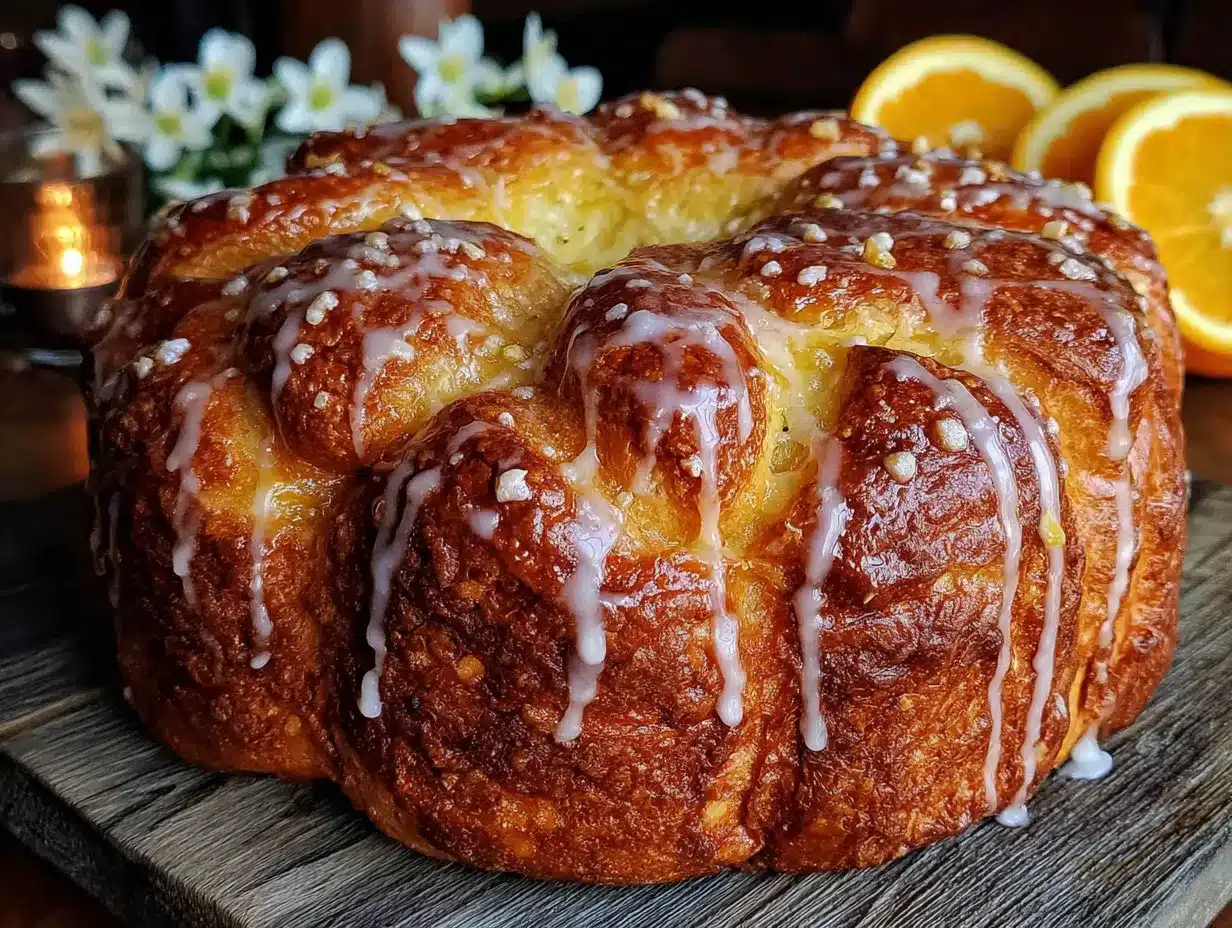
- Granulated sugar (1/2 cup) – For rolling the bones and the loaf.
- Orange blossom water (2 tbsp) – Mixed with a little water for the glaze.
- Confectioners’ sugar (1/2 cup) – For dusting at the end.
If you need substitutions, you can use almond flour for a gluten-free option, though the texture will be denser. Swap milk with oat milk if you are dairy-free, but add an extra tablespoon of oil to compensate for the missing butter fat. For the orange blossom water, you can use vanilla extract if you can’t find it, but the flavor profile will change significantly.
Equipment Needed
You don’t need a fancy kitchen to make this. A large mixing bowl is essential. I use a heavy ceramic one because it stays cool while you knead. A wooden spoon or a sturdy spatula helps for the initial mix.
A pastry brush is crucial for applying the glaze. Silicone brushes are easier to clean than natural bristles. For shaping, a clean kitchen towel is helpful for the final rise. If you don’t have a baking stone, a heavy baking sheet works fine. Just preheat it with the oven.
For the bones, small cookie cutters or even rolled-up strips of dough work. I’ve used plastic straws cut in half to make the bone shapes, which is a budget-friendly hack. Just make sure they are food-safe. A digital scale is the best investment you can make for baking. Measuring flour by volume is inaccurate and leads to dry bread. Weighing it ensures consistency every time.
Preparation Method
- Activate the Yeast (10 minutes): In a small bowl, combine the warm milk, 1 tablespoon of sugar, and the yeast. Stir gently and let it sit for 5-10 minutes until it becomes foamy. If it doesn’t foam, your yeast is dead. Start over. This step is critical for a good rise.
- Mix the Dry Ingredients: In a large bowl, whisk together the flour and salt. Make a well in the center. This helps incorporate the wet ingredients evenly.
- Combine Wet Ingredients: In a separate bowl, beat the eggs, remaining sugar, softened butter, orange zest, and orange blossom water. Whisk until smooth and creamy. The butter should be melted enough to mix but not hot.
- Form the Dough: Pour the wet mixture into the well of the dry ingredients. Stir with a wooden spoon until a shaggy dough forms. Turn it out onto a lightly floured surface. Knead for 8-10 minutes. Push the dough away with the heel of your hand, fold it over, and turn. Repeat. The dough should be smooth and elastic. If it sticks, add a teaspoon of flour. If it’s too dry, add a teaspoon of water.
- First Rise (1.5 hours): Place the dough in a clean, oiled bowl. Cover with plastic wrap or a damp towel. Let it rise in a warm spot until doubled in size. This takes about 1.5 hours. Don’t rush this. Cold kitchens take longer.
- Shape the Loaf: Punch down the dough gently. Divide it into parts. One large ball for the loaf. Smaller pieces for the bones and cross shapes. Roll the large ball into an oval or round shape. Place it on a parchment-lined baking sheet. Shape the bones by rolling small pieces into cylinders and placing them on top. Cross two bones over the top for the traditional look. Pinch the ends to secure them. Let the shaped dough rise again for 45 minutes.
- Bake (25-30 minutes): Preheat your oven to 350°F (175°C). Brush the risen dough with a little milk or egg wash for color. Bake for 25-30 minutes until golden brown. Tap the bottom; it should sound hollow. If it’s pale, bake longer.
- Make the Glaze: While the bread bakes, mix the orange blossom water with a little warm water. Once the bread is out of the oven, brush the glaze over the hot bread. The heat helps it absorb. Roll the bones in granulated sugar while they are still warm and sticky.
- Cool and Serve: Let the bread cool on a wire rack for at least 20 minutes. This sets the crumb. Dust with confectioners’ sugar before serving.
Why Does My Dough Stick?
Humidity affects flour. If your dough is too sticky, don’t add too much flour. It makes the bread tough. Instead, wet your hands with water and keep working it. The dough will come together.
How Do I Know When It’s Done?
Use a thermometer. The internal temperature should be 190°F (88°C). If you don’t have one, the hollow tap test is reliable. Also, the crust should be a deep golden brown, not pale yellow.
Cooking Tips & Techniques
One mistake I made early on was using hot milk. It killed the yeast. Always test the temperature. It should feel like a warm bath, not a hot tub. Another tip is to let the butter soften properly. Cold butter creates lumps in the dough. Microwave it for 10 seconds if you’re in a hurry, but let it cool slightly.
Patience is the most important ingredient. Don’t skip the first rise. If the dough doesn’t double, your bread will be dense. Also, when shaping, handle the dough gently. You don’t want to deflate it completely. Just shape it and let it rest.
For the orange blossom water, start with a small amount. It’s potent. You can always add more, but you can’t take it out. I like a subtle floral note, not a perfume bomb. Taste your wet mixture before adding it to the flour. Adjust if needed.
When baking, rotate the pan halfway through. Ovens have hot spots. This ensures even browning. If the top browns too fast, cover it loosely with foil. This is a common trick for breads with high sugar content.
Variations & Adaptations
While traditional pan de muerto is sweet, you can adapt it. For a less sweet version, reduce the sugar in the dough to 1/4 cup. Add a pinch of cinnamon or anise seed for a different flavor profile. This is common in some regions of Mexico.
For a vegan version, use plant-based milk and butter substitute. Use flax eggs instead of regular eggs. The texture will be slightly denser, but the flavor remains. You can also add raisins or candied orange peel for a fruit-filled variation.
Seasonal adaptations include adding pumpkin puree in the fall. Replace 1/4 cup of milk with pumpkin puree. This adds moisture and a lovely autumn flavor. For spring, add lavender buds to the dough for a floral twist.
I once tried adding chocolate chips. It was weird but good. The bitterness of the chocolate balanced the sweet dough. It’s a fun experiment for kids. Just fold them in after the first rise.
Serving & Storage Suggestions
Serve pan de muerto warm. It’s best with coffee or hot chocolate. The contrast of the warm bread and the cold drink is perfect. For presentation, arrange the bones and loaf on a wooden board. Dust with powdered sugar for a snowy effect.
Store leftovers in an airtight container at room temperature for up to 3 days. The bread stales quickly, so consume it soon. For longer storage, freeze it. Wrap it tightly in plastic wrap and then foil. It lasts up to 2 months. Thaw at room temperature and warm in the oven for 5 minutes.
Reheating is key. Don’t use the microwave. It makes the bread chewy. Use an oven or toaster oven. This restores the crisp crust. The flavors develop over time, becoming more orange-forward after a day.
Nutritional Information & Benefits
This recipe is rich in carbohydrates and fats. Each serving contains approximately 250 calories. It is a good source of energy. The orange blossom water provides antioxidants. The eggs add protein. However, it is high in sugar and saturated fat due to the butter and glaze. Enjoy it in moderation as a treat.
For those with dietary restrictions, this recipe is not gluten-free or vegan by default. Adaptations are possible, as noted above. Always check ingredient labels for allergens. The main allergens are gluten, eggs, and dairy.
Conclusion
Making pan de muerto is an act of love. It’s a way to honor tradition and create new memories. This recipe is my tribute to Doña Elena and the bakery that was. I hope it brings you joy and comfort. Customize it to your taste. Add your own twists. The most important thing is to share it with people you love.
Please try this recipe and let me know how it goes. Leave a comment below with your thoughts. Did you add extra orange zest? Did you use a different shape? I love hearing your stories. Share your photos on social media and tag me. I want to see your creations. Thank you for cooking with me. Happy baking!
Frequently Asked Questions
Can I use instant yeast instead of active dry yeast?
Yes, you can. Use the same amount. You don’t need to activate it in milk first. Just mix it with the dry ingredients. The result is the same.
Why is my pan de muerto dense?
This usually happens if the yeast was dead or the dough didn’t rise enough. Check your yeast expiration date. Also, ensure your kitchen is warm enough for rising. Cold drafts stop the yeast.
How do I store the orange blossom water?
Keep it in a cool, dark place. It lasts for years. Once opened, it’s best used within 6 months for maximum flavor. Refrigeration extends its life.
Can I make the dough ahead of time?
Yes. After the first rise, punch it down and refrigerate it overnight. Shape it the next day and let it rise before baking. This can actually improve the flavor.
What is the difference between pan de muerto and regular bread?
Pan de muerto is sweeter, richer, and contains orange blossom water. It is also shaped differently, with bones and a cross representing the elements of life and death.
Pin This Recipe!
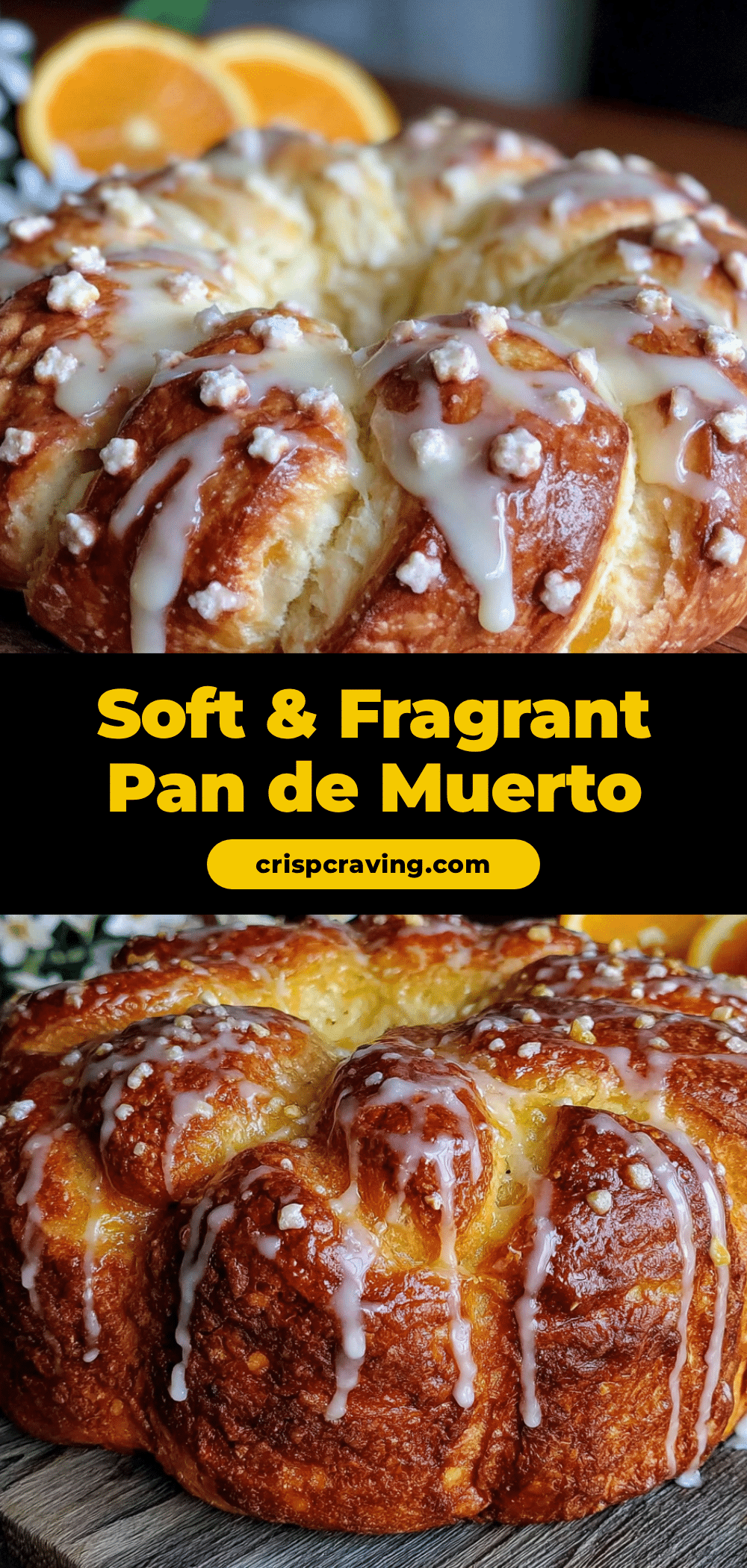
Traditional Pan de Muerto: Best Easy Homemade Recipe
A heartfelt, homemade recipe for Pan de Muerto featuring a tender, orange-kissed dough with a floral glaze, perfect for honoring loved ones during Día de Muertos or as a comforting treat any time of year.
- Prep Time: 30 minutes
- Cook Time: 30 minutes
- Total Time: 2 hours 40 minutes
- Yield: 1 loaf (serves 8-10) 1x
- Category: Dessert
- Cuisine: Mexican
Ingredients
- 4 cups (500g) all-purpose flour, sifted
- 2 packets (14g) active dry yeast
- 1 cup (240ml) warm milk
- 1/2 cup (113g) unsalted butter, softened
- 1/2 cup (100g) granulated white sugar
- 2 large eggs, room temperature
- 1 large orange, zested
- 1 tsp salt
- 1 tsp orange blossom water
- 1 tbsp granulated sugar (for yeast activation)
- 1/2 cup granulated sugar (for rolling bones)
- 2 tbsp orange blossom water (for glaze)
- 1/2 cup confectioners’ sugar (for dusting)
Instructions
- Activate the yeast: In a small bowl, combine warm milk, 1 tablespoon of sugar, and yeast. Let sit for 5-10 minutes until foamy.
- Mix dry ingredients: Whisk together flour and salt in a large bowl. Make a well in the center.
- Combine wet ingredients: Beat eggs, remaining sugar, softened butter, orange zest, and orange blossom water until smooth.
- Form the dough: Pour wet mixture into the dry ingredients. Stir until shaggy, then knead on a floured surface for 8-10 minutes until smooth and elastic.
- First rise: Place dough in an oiled bowl, cover, and let rise in a warm spot for 1.5 hours until doubled.
- Shape the loaf: Punch down dough. Divide into one large ball and smaller pieces for bones/crosses. Shape the loaf and arrange bones on top. Let rise again for 45 minutes.
- Bake: Preheat oven to 350°F (175°C). Brush dough with milk or egg wash. Bake for 25-30 minutes until golden brown and internal temperature reaches 190°F.
- Make the glaze: Mix orange blossom water with a little warm water. Brush over hot bread immediately after removing from oven.
- Finish: Roll the bone decorations in granulated sugar while warm. Let bread cool on a wire rack for 20 minutes before dusting with confectioners’ sugar.
- Serve warm with coffee or hot chocolate.
Notes
Ensure milk is lukewarm, not hot, to avoid killing the yeast. If dough is sticky, wet your hands instead of adding more flour. Rotate the pan halfway through baking for even browning. For gluten-free, substitute almond flour (note: texture will be denser). For dairy-free, use oat milk and oil instead of butter.
Nutrition
- Serving Size: 1 slice
- Calories: 250
- Sugar: 15
- Sodium: 300
- Fat: 8
- Saturated Fat: 4
- Carbohydrates: 40
- Fiber: 2
- Protein: 5
Keywords: pan de muerto, day of the dead, mexican bread, orange blossom water, traditional recipe, holiday baking, homemade bread